A new study published in Psychological Services Journal by researchers from the University of South Florida evaluates St. Petersburg, Florida’s Community Assistance Life and Liaison program, known as CALL—a lauded mobile crisis response team modeled after Oregon’s CAHOOTS program. Since its launch in 2021, pairs of trained social service professionals have responded to about 20,000 behavioral health and mental health calls for service that come into 911 emergency dispatch. Researchers found that the CALL team reached communities experiencing “higher levels of economic insecurity, housing instability…” and concluded that the team helps improve access to care and advances both public health and public safety. The full study is worth reading for any policymaker looking to establish a top-tier mobile crisis response team, but here are some of the core findings that have made CALL such a successful, and nationally celebrated, unit:
Strong Buy-In Across Public Safety Agencies Helped Launch And Sustain The Program: Researchers found “support and initial buy-in” from leadership, police, and dispatchers was critical, noting the program gained momentum when “the police chief championed the CALL program” and “the police union” supported implementation. A 911 staff member explained the program “filled a gap that has bothered us for many years,” allowing responders to help people when “we either had to send a police officer… or totally refused them service because there was just nothing we could do.”
Mobile Crisis Teams Connect Residents To Long-Term Support: City leaders highlighted the program’s effective “holistic approach to crisis intervention,” emphasizing its ability to “connect clients to long-term resources, reduce repeat emergency service use, and divert noncrime crises.” CALL leaders also noted the program’s community presence, explaining “we’re constantly talking to community leaders, providers, small businesses, and church leaders… [which] gives us an opportunity to be proactive before something’s an issue.”
“Stringent” Call Screening Helped Build Trust And Safe Implementation: Researchers found that “stringent vetting of calls” helped improve confidence in the program among partners, with police and dispatch staff highlighting “the strengths of the program… [as] the vetting procedures and strong communication between [911 emergency dispatch, police,] and CALL team members.” Stakeholders noted the approach helped “foster trust, refine protocols, and address initial skepticism.”
Momentum For Mobile Crisis Teams, The “Fourth Branch Of Emergency Services To Go Along With Police, Fire And Medical,” Around The Country:
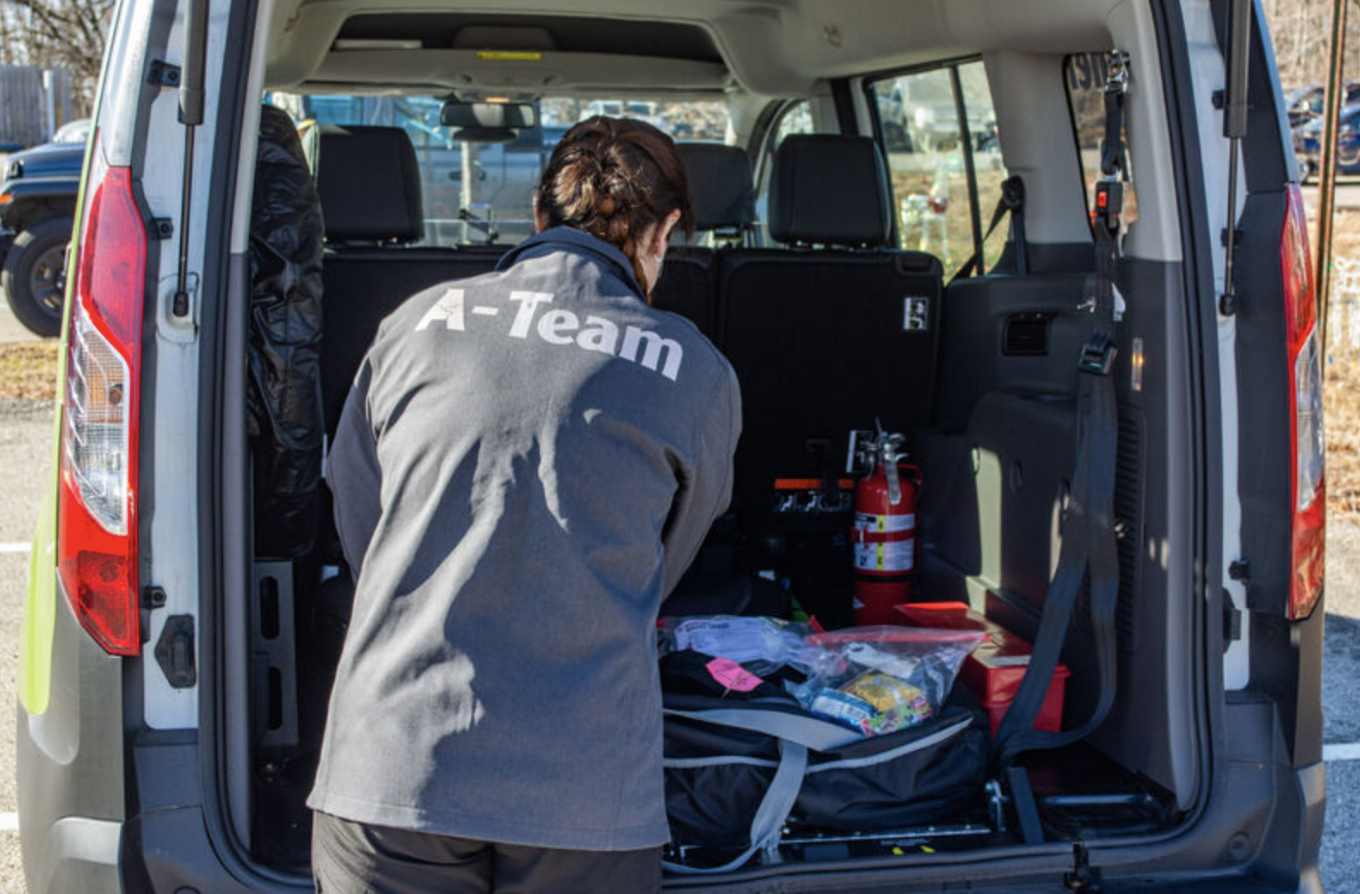
In Allegheny County, Pennsylvania, The “A-Team” Has Grown Into A “Fourth Branch Of Emergency Services To Go Along With Police, Fire And Medical.” For The West Hills Gazette, Frank Garland reports on the growth of the county’s Alternative Response program, known as the A-Team, which deploys “trained mental and behavioral health professionals to certain 911 calls instead of law enforcement.” When the team first launched in 2024, it “served less than a half dozen communities,” but its effectiveness has made it very popular around the county, where it has “grown to serve 25 municipalities plus the county police department and the county Housing Authority… and more [agencies and municipalities] are knocking on the door to join.” As the paper notes, the team has become a “fourth branch of emergency services to go along with police, fire and medical.”
Here’s what leaders around the county are saying:
- Jack Doherty, Ingram Police Chief: “‘They’ve been fantastic… I can’t say anything bad about them and I could say good things all day long…’ the team has responded in a timely fashion not only to the immediate calls but after the fact when needed… ‘I’ve had several phone calls from people who’ve had (the A-Team) respond to them, and they’ve had nothing but good things to say. They follow up and they get the resources to the people who need them.’”
- Coraopolis Mayor Michael Dixon: “‘Mental health support for both our residents and our officers is something we take very seriously and the A-Team directly aligns with that commitment… Any resource that helps us provide that level of care to our community is one we’re going to support and employ…’ …police Chief Jason Stewart brought the program to his attention and the borough council moved to endorse it shortly thereafter…”
- Jenn Batterton, Director Of The County Office Of Community Justice and Safety: “‘This is something that community members and the police are eager to have… crisis response can feel insufficient and can lead to repetitive crisis response…It’s been a huge success… the word-of-mouth from the police chiefs has been compelling, and that’s a testament to its success…’ she’s heard from police chiefs [around the county] who have told her that if they had access to the A-Team in a certain scenario, ‘they would have chosen to use it… we’re excited there has been this kind of demand.”
In Illinois, “Western Suburbs Join Cohort To Dispatch Mental Health Services Instead Of Police” As Part Of Statewide Shift.
For The Oak Park Journal, Jessica Mordacq reports on Forest Park, Oak Park, and River Forest joining a new “statewide effort to have mental health professionals respond to certain 911 calls, instead of local police.” This is the state’s first cohort of cities to join an effort that stems from the measure that Governor JB Pritzker signed into law that “requires mental health referrals instead of police response in some situations.” The state is training 911 dispatchers “to provide mental health resources” to some behavioral and mental health calls for service so that they can “deescalate situations over the phone and, if needed, dispatches mobile care response teams.” These three cities are part of “the first cohort of about 20 out of 175 dispatch centers in Illinois” that started training on the new mental health requirements just last year, so many more cities are expected to come online in the months ahead.