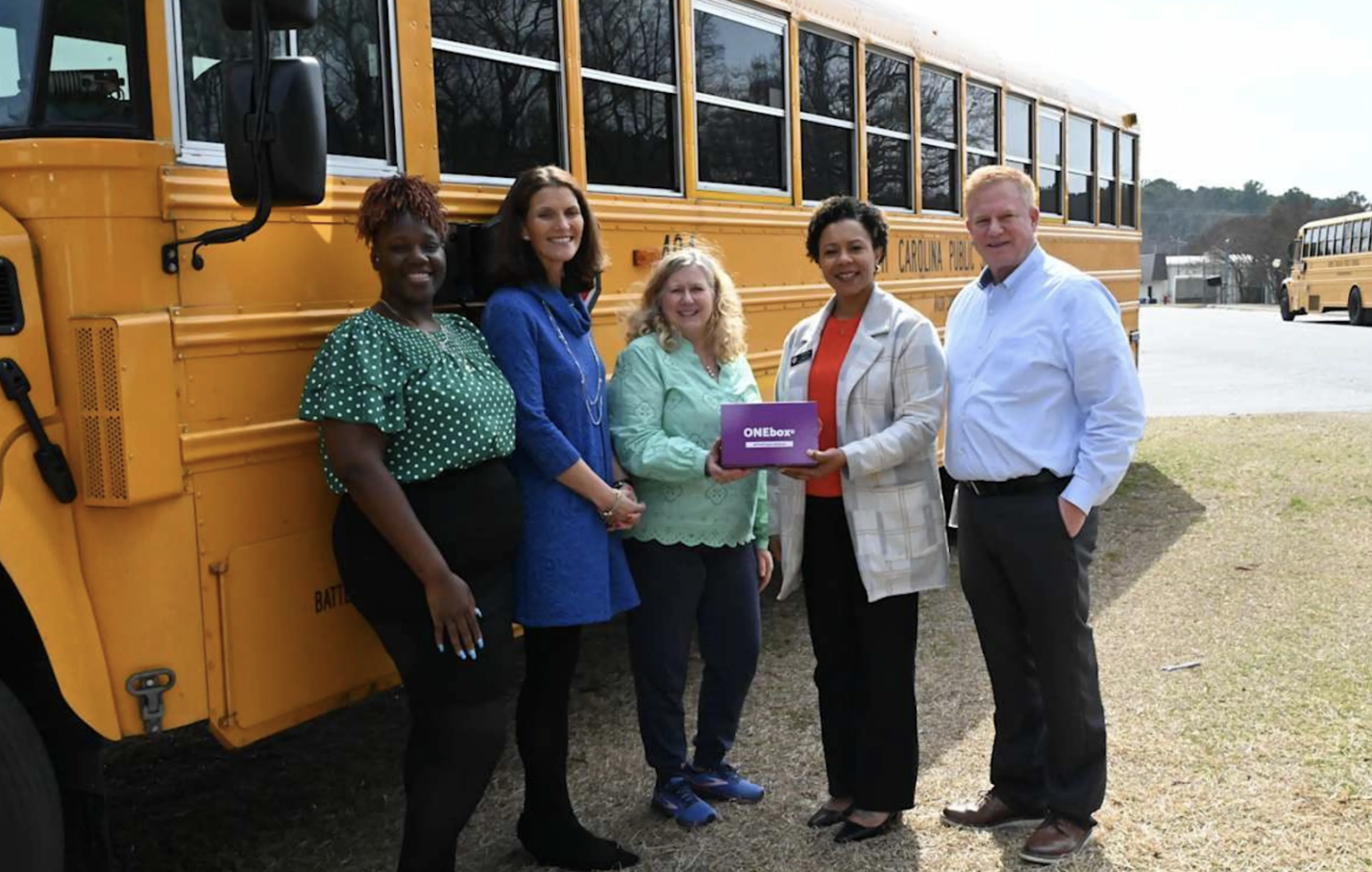
| In a new study published in the Journal of the American College of Emergency Physicians, researchers evaluated a county-wide, multi-agency Narcan distribution program in Denver, Colorado that saw EMS, police, fire, and mobile crisis teams collaborating over a 12-month period. The study found that a coordinated, cross-agency model can scale effectively: “a pan-first-responder leave-behind Narcan program is feasible at the county level,” with data showing how multi-agency deployment and geospatial targeting can “rapidly saturate high-risk settings with [Narcan].” Here are some of the key findings: Multi-Agency Narcan Distribution Works, With EMS And Crisis Response Teams Best Positioned To Scale Effort: Over one year, “responders distributed 2438 [Narcan] kits” across “1020 interactions,” demonstrating the ability to operationalize distribution across an entire county. Distribution was concentrated among health-oriented responders: “paramedics accounted for 1407 kits (57.7%), the mobile crisis unit [Denver STAR] for 642 (26.3%), police for 336 (13.8%), and fire for 53 (2.2%).” The model intentionally prioritized those with the most contact and expertise, as “paramedics and STAR… have the most patient contact and medical knowledge.” Geospatial Targeting Helped Identify Where Overdose Risk Was Concentrated: Researchers detailed that “geospatial analysis identified 24 hotspots,” showing where Narcan distribution—and likely overdose risk—was concentrated. These locations were highly consistent: “23 of [the] 24 hotspots were within feasible walking distance of bus or light-rail stops,” indicating strong alignment with transit corridors. Researchers conclude these patterns “suggest that leave-behind [Narcan] distributions cluster around transportation hubs,” pointing to specific, repeatable locations for intervention. Program Extended Reach By Equipping Bystanders: First responders were directed to provide Narcan to “nonpatients who were in a position to assist… including bystanders, friends, family members, and peers who were also present at the scene.” In practice, this expands the network of responders beyond formal systems, as “these individuals may encounter others nearby experiencing an opioid overdose… including family, friends, and other community members.” The approach reflects a broader strategy to “equip bystanders [with Narcan] in case they encounter an overdosing person… [with] over-the-counter formulations of [Narcan]” as the medication can be used quickly and safely by non-medical responders. Cities Expanding Access To Narcan Around The Country, Reducing Load On Law Enforcement:Nash County, North Carolina, Public Schools “Has Equipped All 115 Buses With Narcan Overdose Kits… Training Drivers And Monitors To Respond,” Reducing Strain On Law Enforcement. The Enterprise reports on the county’s sweeping effort to “ensure that every child arrives at school and returns home safely… [through] equipping school buses with [Narcan]… a practical step that can make the difference between life and death.” A “certified peer support specialist and board-certified master mental health coach” provided the training to the bus drivers and monitors so they can properly administer the Narcan and also quickly “recognize the warning signs of overdose,” instead of waiting for police, or other emergency professionals, to respond because every second counts in stopping an opioid overdose from becoming fatal. |
 |
| Salt Lake City Downtown Ambassador Team Is Equipped With Narcan For “Life‑Saving Work.” For KSLTV, Ken Fall and Courtney Johns report on the city’s downtown ambassadors, a 32-person team that “focuses on safety, cleanliness, outreach, and community support” which sometimes includes the “life-saving work” of stopping an overdose with the Narcan that they carry daily. The Ambassador team “are trained to administer naloxone, and many have used it multiple times,” members of the team explained to the news station. Rey Graves, one of the downtown ambassadors, opened up to the news station about “how he saved someone’s life using Narcan” and that he was surprised that one application isn’t always enough: “I Narcan’ed him once, nothing…. twice, nothing. I had to do [about] four Narcan [doses] and he came back up.” |
 |
| Yuba County, California Launches Free “Narcan Vending Machines To Combat Opioid Overdoses,” Expand Quick Access To Medicine. EMS1 reports on the new vending machines, unanimously approved by the County Supervisors, to provide quicker access to the life-saving medicine and reduce strain on emergency responders, as the Yuba County Sheriff’s Department “estimated it responds to at least one opioid overdose event each week,” however, having free kits available at various hotspots in the county “removes the access barrier,” helps people recover faster, and reduces strain on law enforcement and other emergency responders. |
 |