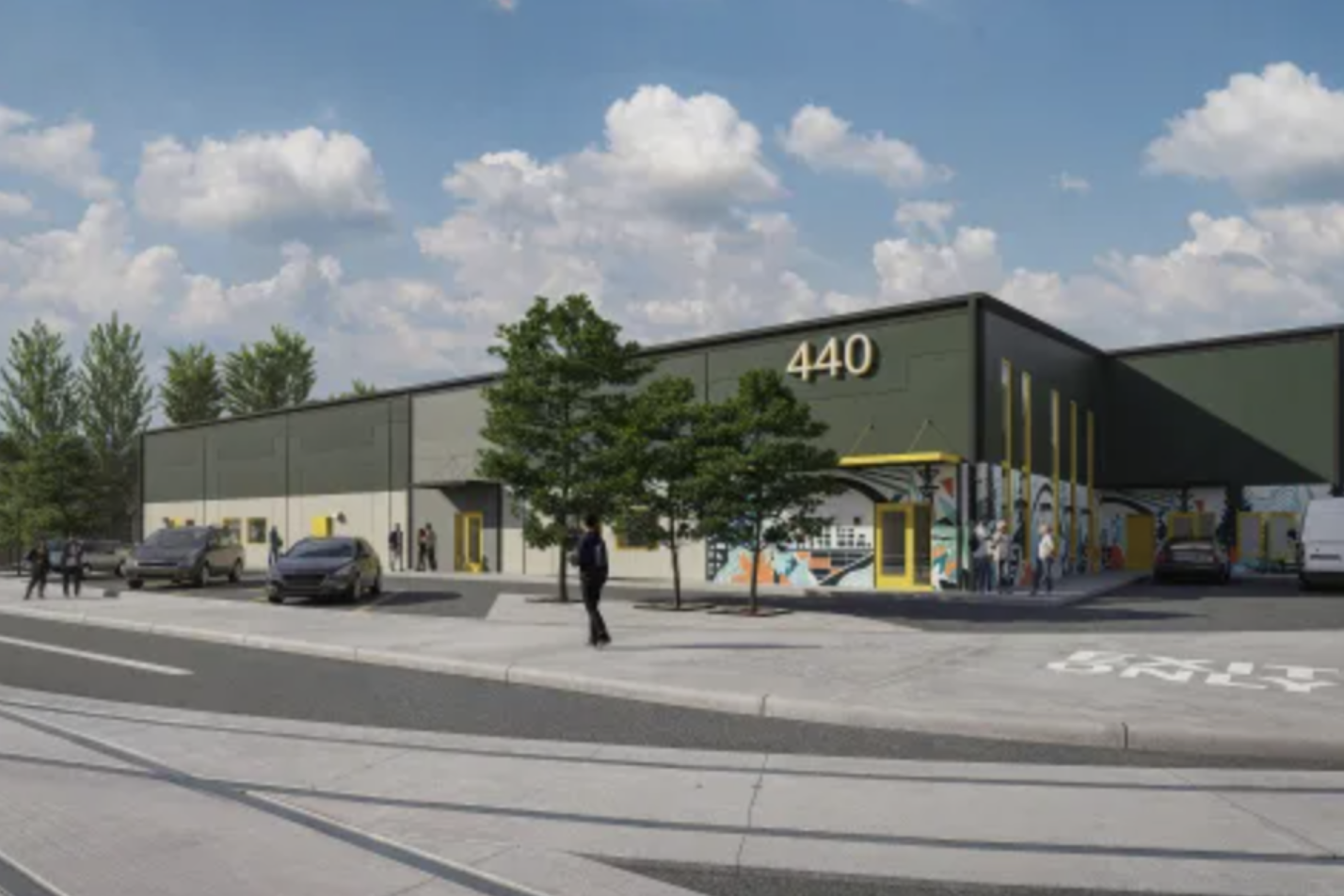
| Multnomah County, Oregon Commissioners Approve “24/7 Sobering And Crisis Stabilization Center… Providing An Alternative To Emergency Departments And Jails.” This week, County Commissioners announced the approval of the construction plan of the new $25 million sobering and crisis facility, calling it a “major milestone for [the] county’s behavioral health system” that will “provide an alternative to emergency departments and jails for individuals needing sobering and crisis stabilization.” The 26,053-square-foot facility will “operate 24 hours … [and] offer sobering services, withdrawal management, medication assisted treatment (MAT), deflection programming, and sheltering” and will include “18 sobering stations for stays of up to 24 hours, and 29 withdrawal management beds for people who require a higher level of care over a longer period” while trained medical staff “triage, assess, and connect people to the most appropriate level of care, including referrals, transportation, and case management services.” Jessica Vega Pederson, chair of the county board and champion of the sobering and crisis facility, explained that the move was driven by feedback “from law enforcement and first responders consistently about the need for a permanent 24/7 Sobering & Crisis Stabilization Center… This center will be a focal point in providing an alternative to emergency departments and jails for individuals needing sobering and crisis stabilization.” |
 |
| Solano County, California, Launches New Behavioral Health Recovery Campus To “Significantly Expand Access To Mental Health And Substance Use Crisis Services… Rather Than Being Taken To An Emergency Department Or Jail.” For The Daily Republic, Todd R. Hansen reports on the $37 million investment in the new campus which will include “the county’s first Sobering Center,” as well as a peer support program, another county first, and an expanded crisis stabilization unit. ” Emery Cowan, director of the county’s health and social services department which oversees the new facility, explained that co-locating all of these services under one roof “improves coordination of care and create smoother warm handoffs between programs so individuals receive the right level of support at the right time.” The sobering center is designed to be “a short-term, supervised program where individuals who are acutely intoxicated can safely recover from alcohol or drug use in a monitored setting, rather than being taken to an emergency department or jail … typically for stays of several hours up to about 24 hours.” |