In a new report published by Policy Research Associates, researchers examined jurisdictions planning and operating centers, then compared findings on service capacity, staffing, funding, partnerships, evaluation, and implementation challenges to get one of the clearest pictures to date of what it takes to launch and operate a successful Crisis Stabilization Center. Researchers found that these centers are workable, increasingly common, and worth the effort—especially when jurisdictions plan deliberately, braid funding streams for stability, and build strong partnerships across public safety infrastructure—concluding that “the costs of establishing and maintaining a CSU… [are] worth the investment.” The full 20-page report is worth your time, but here are some of the toplines:
Works In Communities Of All Sizes—With A Variety Of Crisis Services:
The survey shows crisis stabilization centers are not limited to large cities—among the sites studied, “72% serve an area with a population of 500,000 or less,” while only “6% serve an area with more than 1.5 million.” Most are community-based programs that offer a range of crisis services, including “voluntary (with walk-in) capacity,” the ability to “provide minor medical clearance… transportation services… sobering and/or detox services,” as well as “formal discharge planning,” and follow-up care. Operational models are flexible as well: “Sixty-nine percent … offer services with a length of stay of 23 hours or less,” while “49%… have programs with LOS greater than 23 hours,” “25% offer programs with LOS of 7 days or longer,” and “10%… have LOS of 30 days or longer.”
Short-Term Stabilization Leads To Better Outcomes Than Jails Or ERs:
Researchers found that these facilities “provide short-term stabilization and treatment for individuals experiencing a behavioral health crisis in a setting that is less restrictive than a hospital or jail.” Many operate as rapid-stabilization hubs: “69% of the centers offer services with a length of stay of 23 hours or less,” while “90% are open 24/7” and “85% have voluntary (with walk-in) capacity” to stabilize people quickly, avoid unnecessary emergency department use or incarceration, and connect individuals to “ongoing treatment and community-based services.”
The Most Successful Centers Are Highly Collaborative Across Existing Health And Law Enforcement Infrastructure:
The researchers found that “almost all crisis centers collaborate with hospitals/emergency departments (97%) and law enforcement (95%).” Most also partner with “local community providers such as mental health or substance use providers (92%), EMS (87%), and mobile crisis teams (83%).” These partnerships extend further into the community ecosystem, including “housing providers and shelters (67%), fire departments (65%), and county behavioral health agencies (68%).”
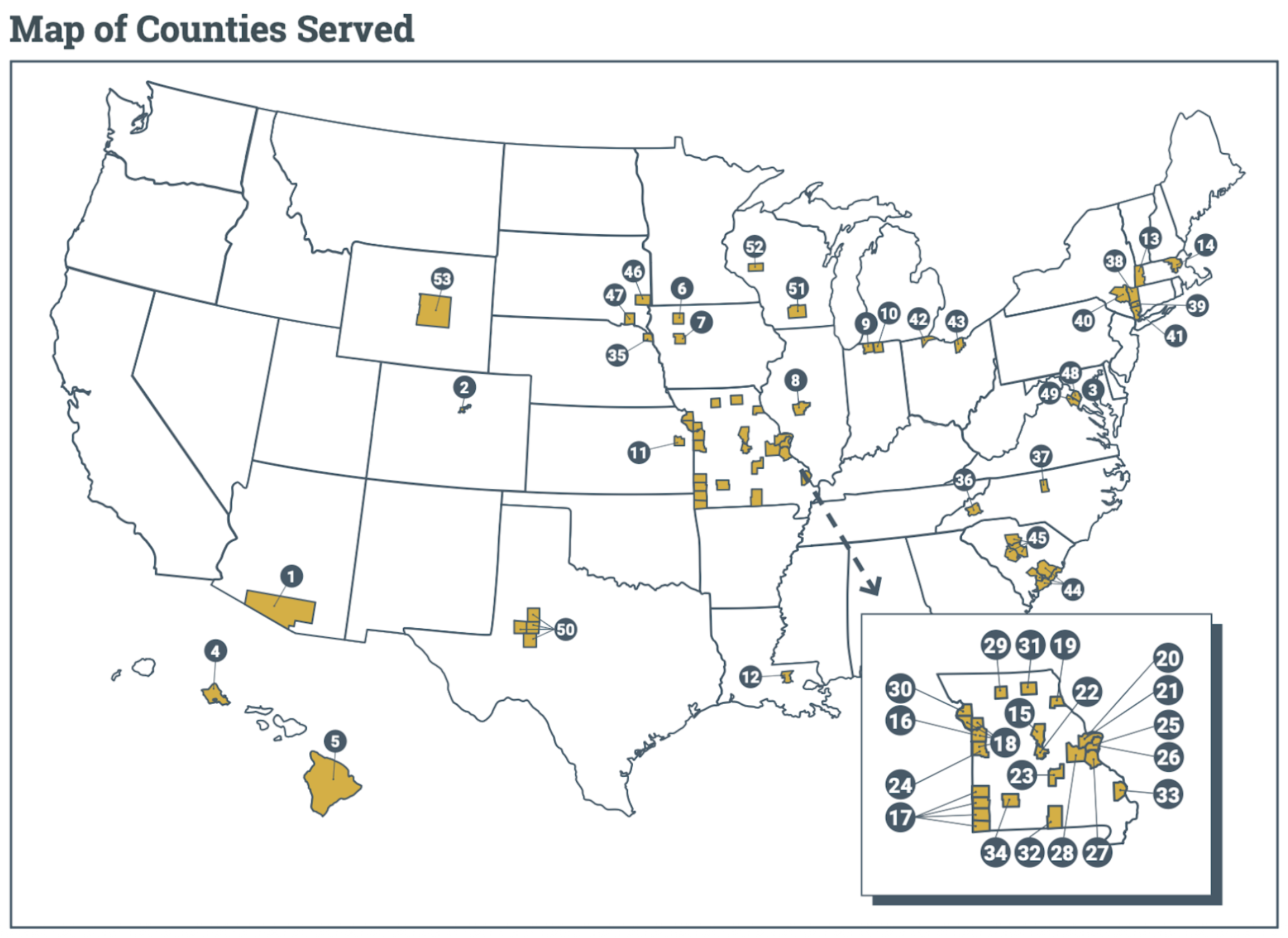
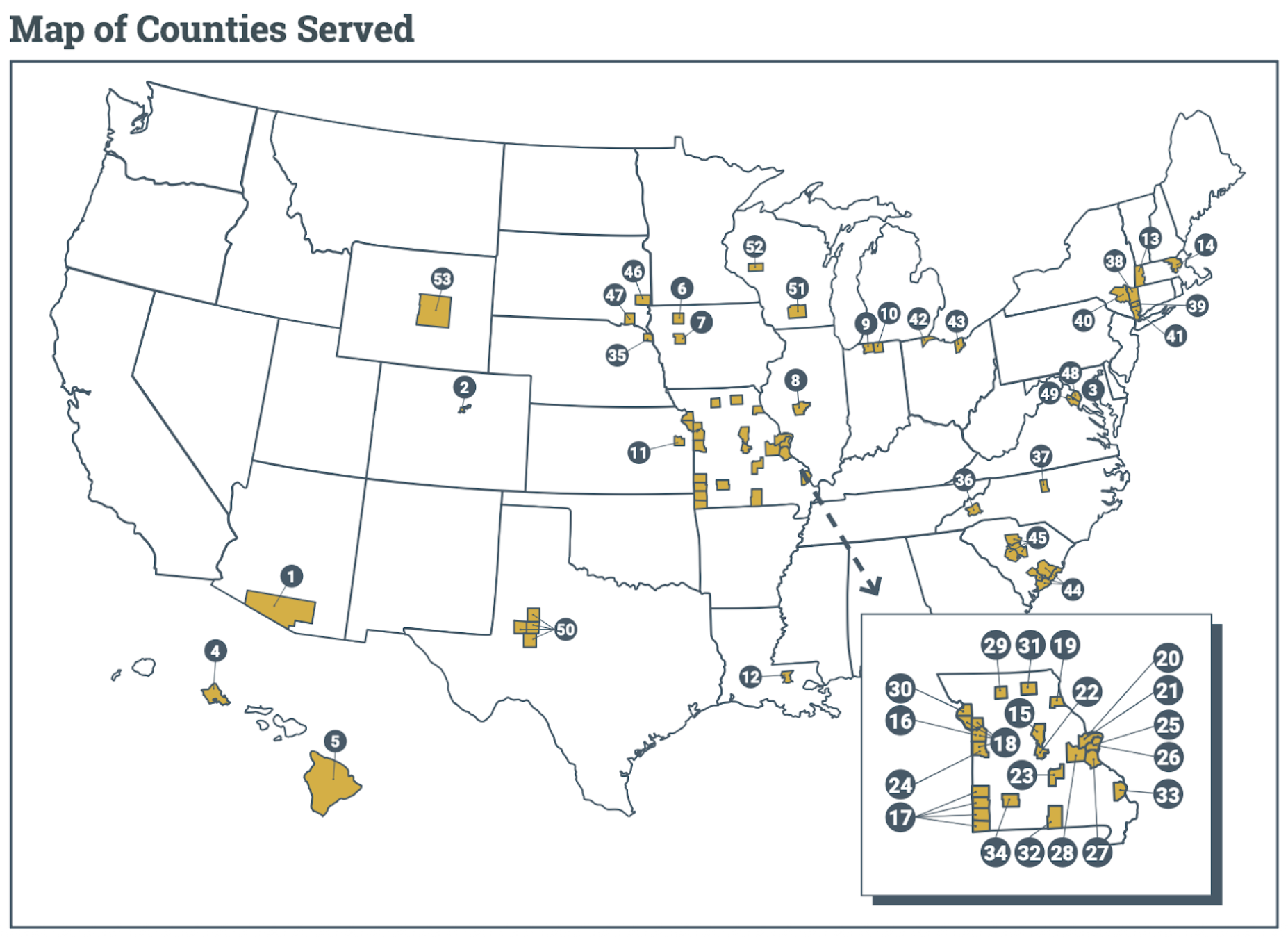
Here’s a map of the various facilities that participated in the research: