- In Birmingham, Alabama, “Homicides Drop 42% As City Highlights Community Violence Intervention Efforts.” For ABC News, Emily Cundiff reports on the CVI program, which operates in “one of the city’s neighborhoods most impacted by gun violence,” and, following the work of the CVI team, “according to city data, homicides dropped 42% year over year” in the neighborhood. The trained team of violence intervention specialists “focuses on street outreach, conflict mediation and connecting people at high risk of gun violence with resources such as mental health services, housing assistance and employment opportunities.”
- In Berkeley, California, “Gun Violence Has Plummeted…[This CVI Team] Helped Make It Happen.” For Berkeleyside, Alex Gecan reports that the city “has seen the fewest shootings citywide in nearly a decade…[and] a network of violence intervention workers,” known as the Gun Violence Intervention and Prevention Program, “has been working to keep the numbers down.” The team’s street outreach workers coach people at risk of gun violence, “sometimes victims and their friends and families, sometimes those suspected of or likely to commit gun violence, sometimes both at once, at all hours of the day or night and often for hours at a time.” Since the program launched, the team has “had over 1,000 sessions and check-ins” with residents who are at risk of gun violence, “and they have made hundreds more overtures and interventions — mediating longstanding feuds before they can turn violent…”
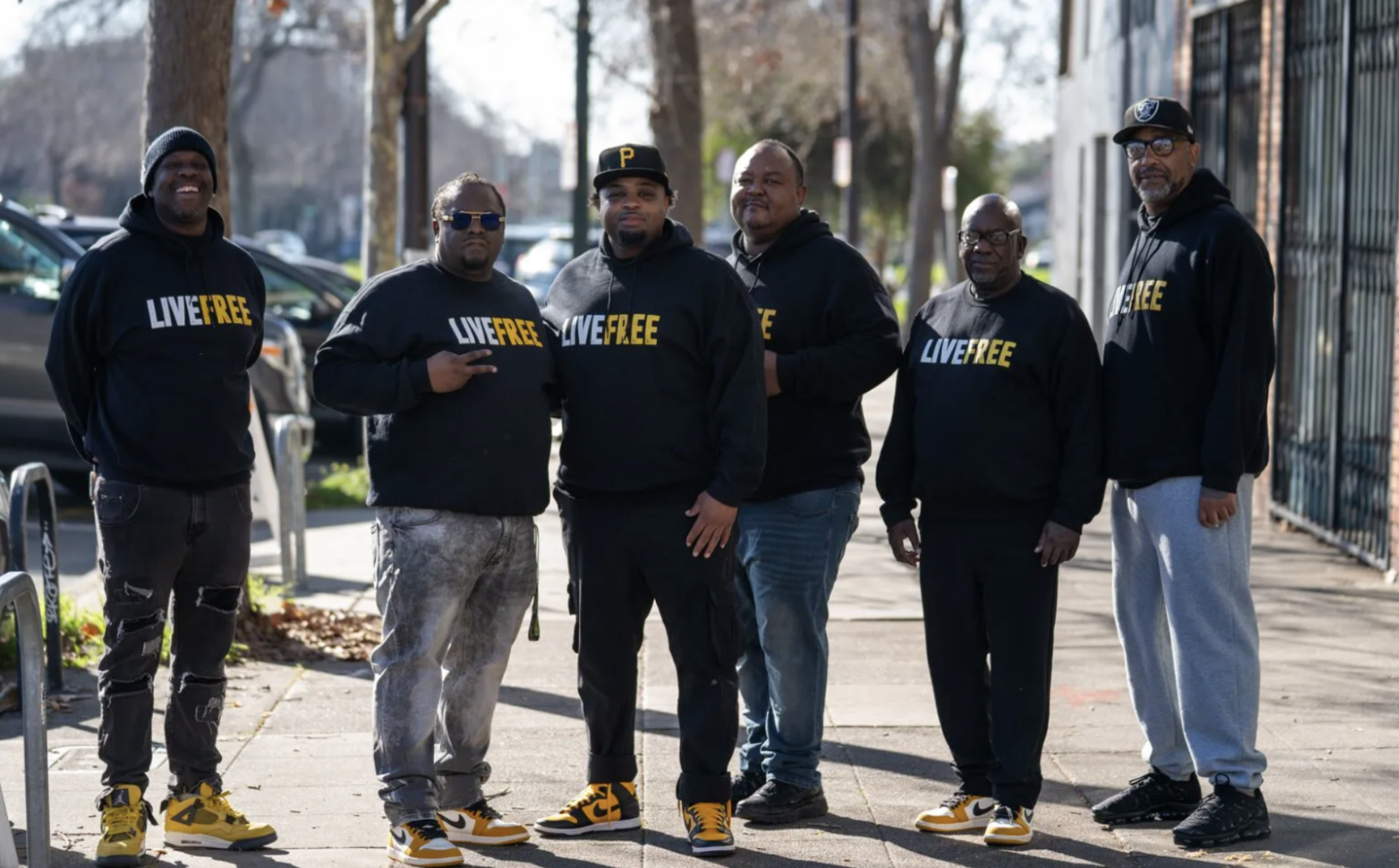
- In Milwaukee County, Mentorship Program Shows Early Promise In Youth Violence Reduction. The Milwaukee Courier reports on the latest data out of the county’s CVI team, called the “Credible Messenger Program,” which “intervenes in gun violence … and is staffed by individuals with lived experience and previous justice involvement who support youth through transformative mentoring.” As the Courier notes, the program “has made significant strides in improving public safety and supporting Milwaukee County youth involved in the justice system”—in just its first year in operation, the program “reported a 77% success rate for [reducing] recidivism and [increasing] pro-social behavior” for the youth entered into the program. The division also reported that “66% of the youth received at least 26 weeks of mentoring—essential for positive outcomes according to research, delivering more than 2,000 combined hours of mentoring.”