A new report published by the Substance Abuse and Mental Health Services Administration presented a practical toolkit for policymakers interested in integrating 911 emergency dispatch and 988 mental health services to “provide actionable steps and tools to promote interoperability. The toolkit detailed ways to help “partners overcome real and perceived risks and obstacles… [in order] to provide a seamless response to individuals experiencing behavioral health crises.” SAMHSA produced the report in collaboration with the Bureau of Justice Assistance, the National Emergency Number Association, the National 911 Program, the FCC, and other emergency dispatch-focused groups. The full guidance is worth the time of any policymaker looking to integrate 911 and 988, but here are some topline findings:
- Define Roles Clearly To Prevent Confusion Among Responders. “Establishing and defining clear roles and responsibilities amongst 988, law enforcement, and emergency services will be important for laying out specific tasks that each organization is responsible for… Organizations should consider developing decision point matrices to manage call transfer between 988 and 911.”
- Build Trust Through Partnerships Across Emergency Responder Agencies. “Partnerships with local law enforcement and emergency services can be assisted with Mutual Aid Agreements or Memoranda of Understanding… outlining expectations of each organization, shared understanding of roles and responsibilities, and how systems will interact and communicate… In the early stages of interoperability, [MOUs can] provide a common understanding before committing to a full, legally binding contract.”
- Use Risk-Based Call Triage To Match The Call To The Right Responder: “Effective risk assessment and triage protocols are essential in ensuring timely, appropriate responses to individuals in crisis while minimizing risk and liability… Based on the initial assessment, the crisis is triaged into categories (e.g., low, mild, moderate, higher risk), [which] determines the level of response needed…”
Cities Integrating 911 With Other Experts To Get The Right Responder To The Right Call.
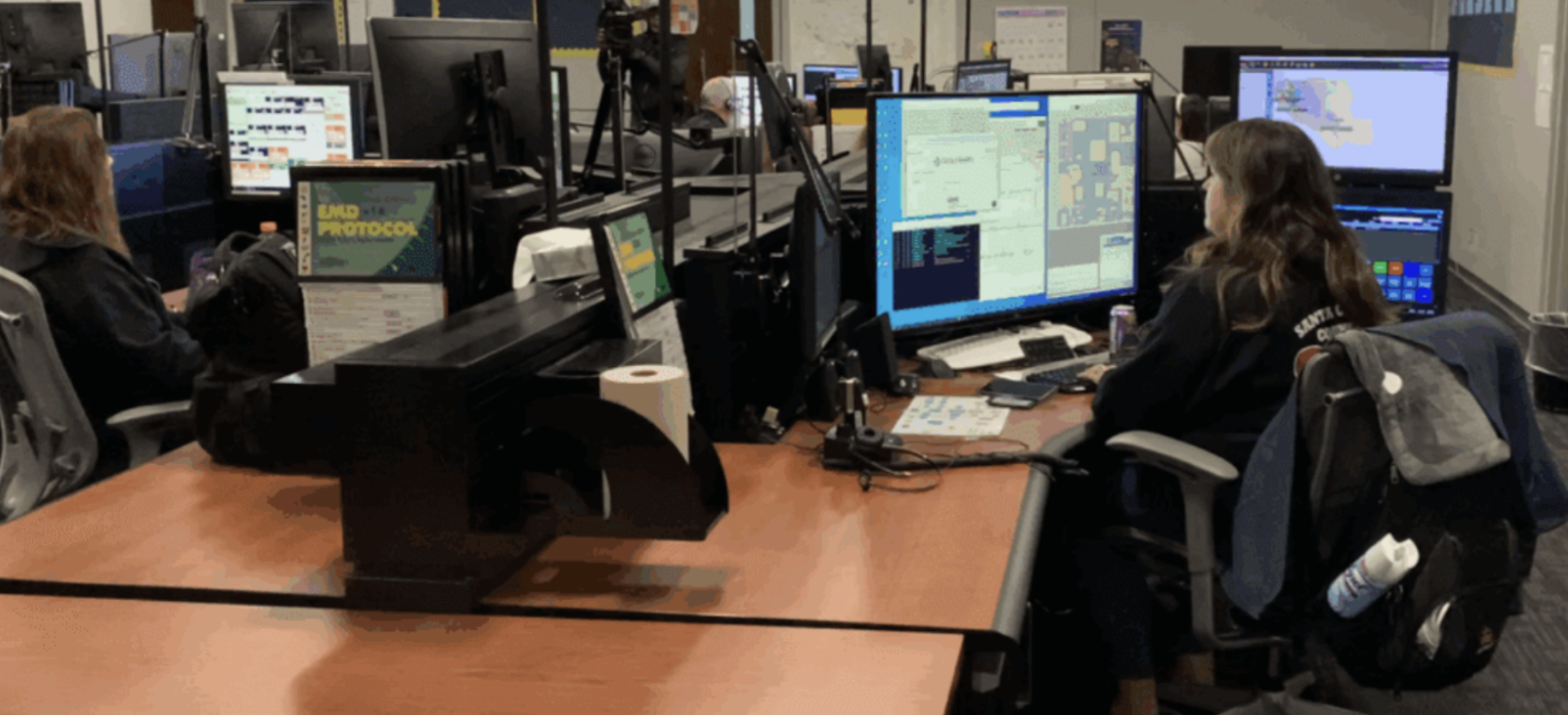
- In Santa Clara County, California, Nurses Handle Some 911 Calls For Service. For San Jose Spotlight, Joyce Chu reports on the county’s effort to triage some 911 calls to nurses who “help callers navigate the health care system and determine the appropriate level of care by providing advice on the phone, booking clinic appointments or arranging a ride to the hospital” to ease strain on police officers, medics, and other first responders. Nick Clay, director of the county’s emergency services agency, explained that the program “preserves those highly trained professionals and those pieces of equipment that are really specialized… for the people who really, truly have an emergency… [and] also offers an avenue for folks who don’t necessarily have a high level of emergency, but still need help.”
- In Suffolk County, New York “Social Workers Will Be Embedded At [The] 911 Call Center To Help Operators With Mental Health-Related Calls… [When] The Situation Does Not Warrant Police Intervention.” For Newsday, Lisa Colangelo reports that the new plan means that when someone calls 911 “in a mental health crisis, a social worker will take over the call and evaluate the situation,” determine the best course of action for mental health related calls so that the county can “free up officers if the situation does not warrant police intervention.” County Executive Edward P. Romaine explained to the newspaper that this effort “aims to get people services [and] free up officers if the situation does not warrant police intervention.” Ultimately, Romaine said, the new program “will make policing more effective, protect our police men and women that serve and … help people who have some kind of [mental health] difficulty.”
- In Austin, Texas, 911 With “Mental Health” Option Transforms How Emergency Calls Are Handled. As Safer Cities has previously spotlighted—when you call 911 in Austin, a dispatcher will ask you: “Do you need fire, EMS, police”—or, the fourth option—“mental health.” Then, they determine the appropriate responder team, based on the needs of the caller. Austin Police Association President Michael Bullock recently testified before Austin City Council explaining the importance of integrating mental health experts into the emergency dispatch system: “it’s time that we work towards getting law enforcement out of mental health. We have never claimed to be [mental health] experts, yet we have been charged with the responsibility of responding to mental health crises… taking these positive steps towards identifying better ways to divert these calls, to have a more robust mental health response system, I believe is a positive step.”