For Mission Local, Xueer Lu reports on the innovative multi-team approach San Francisco has deployed in the Mission District—a five team “Swiss Army knife team of teams” that “has been working together for nearly a year now”—to help improve public safety, provide homelessness outreach, mental health care, clean up city streets, and reduce the burden on local police. Here’s a look at the teams and their various functions:
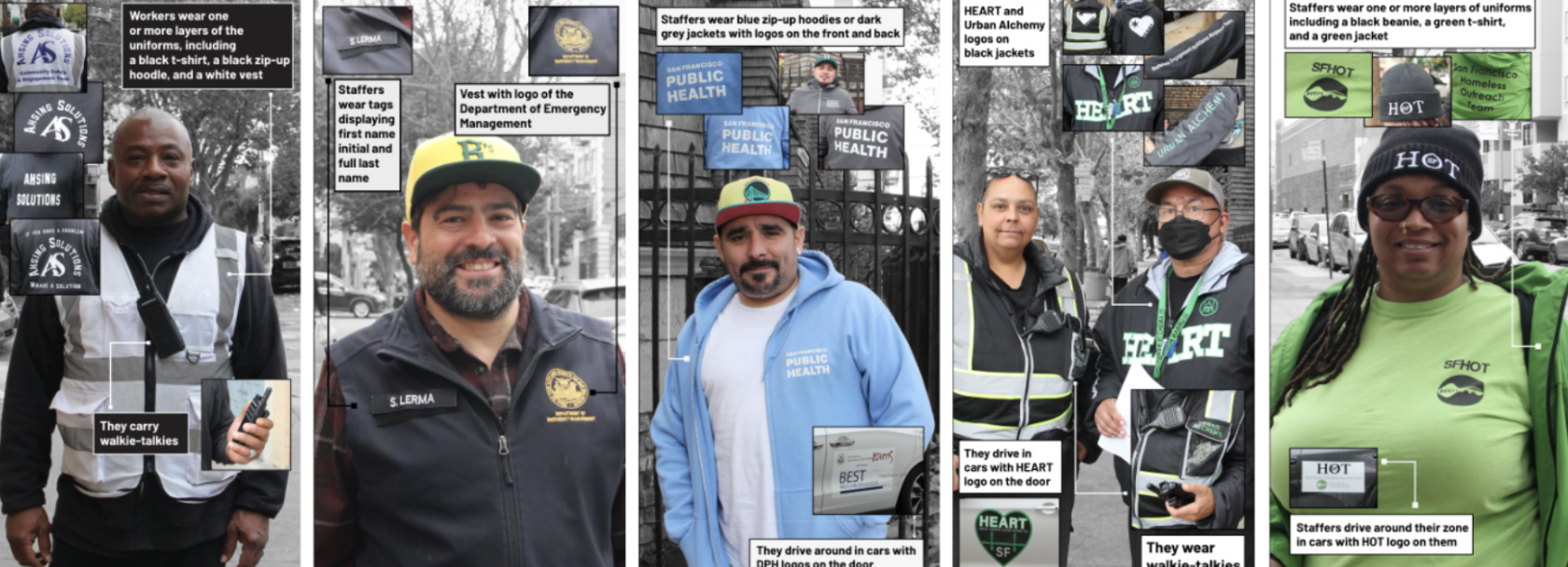
- Emergency Management Team: The “umbrella organization that all the city’s work on street conditions and homelessness fits under.” The team “runs daily coordination meetings for the [various street] teams, directs outreach and enforcement efforts, acts as the central point… ensuring teams work in sync rather than in silos, and responds to 311 calls related to homelessness.”
- Public Health Team: This team “consists of trained clinicians, medical providers, nurses, and nurse practitioners” who “treat infections and give urgent wound care… [and] connects people to mental health and substance use disorder services.” The team also provides ongoing follow-up for people with mental health conditions or substance use disorders “to make sure they are taking their meds and stabilize their conditions.”
- Homeless Response Team: This team, also known as HEART, “is dispatched to disturbances, wellness checks, noise complaints, trespassing” that are “received by the city’s 311 communications centers concerning people who may need shelter, substance abuse recovery, or mental health services.” The team is composed of trained professionals certified in “CPR, first aid, and Narcan [application]” and help connect the homeless population to city services.
- Supportive Housing Team: This unit “employs outreach workers who assess unhoused people currently living outside, and then work to connect them to shelter, housing and other city services.” The team also helps people transitioning into housing, “arranging transportation for them to get there, and helping them [with storage of] their belongings.”
- Ambassador Team: This team of trained professionals “acts as a force multiplier for the city’s existing efforts”, focuses on “cleaning the streets, ensuring safe passage for kids” walking to and from school, responding to overdoses, “intervening and deescalating street conflicts… [and] acting as eyes and ears on the street.” The team hires people who were formerly incarcerated or homeless which, the team explains, “makes it particularly effective at building trust with people currently on the streets” and providing them connection to treatment.