- In Cincinnati, Ohio, Hospital-Based Violence Intervention Program Aims To Reduce Gun Violence, “Providing Comprehensive Care For Both Victims And Their Families.” For WLWT5, Nicole Aponte reports on the city’s “Hope and Shield” hospital-based violence intervention program, which operates out of the trauma centers at Children’s Hospital and UC Medical Center with physicians and violence intervention professionals working “hand in hand” to “decrease the risk of injury and re-entry” into the hospital.
When a patient arrives at the hospital, healthcare professionals provide medical and trauma services while the person is hospitalized, and help victims obtain ongoing trauma counseling. They are also connected with “a gun violence intervention specialist team whose lives have also been touched by gun violence.” Patients then receive ongoing treatment for any “preexisting mental health issues… issues with food insecurity” to help stabilize them so they don’t fall back into a cycle of violence. The program has been in operation for about a year and nearly 140 gun violence victims have enrolled in the program. - In Pennsylvania, State Invests $3 Million For Expansion Of Hospital-Based Violence Intervention Programs. Lt. Governor Austin Davis announced last month that the state would be making the investment in multiple hospital-based programs in operation across the state that provide care to “violently injured patients at the critical moment when they are hospitalized and provide them with support after they’ve been discharged… to help prevent cycles of gun violence by reducing the likelihood of reinjury and retaliation.” The hospital-based programs are part of a sweeping effort to reduce gun violence in the state, that has contributed to “a 35 percent reduction in homicides” in the state, and “a 15 percent decrease in homicides” in Philadelphia just last year, Lt. Gov. Davis explained.
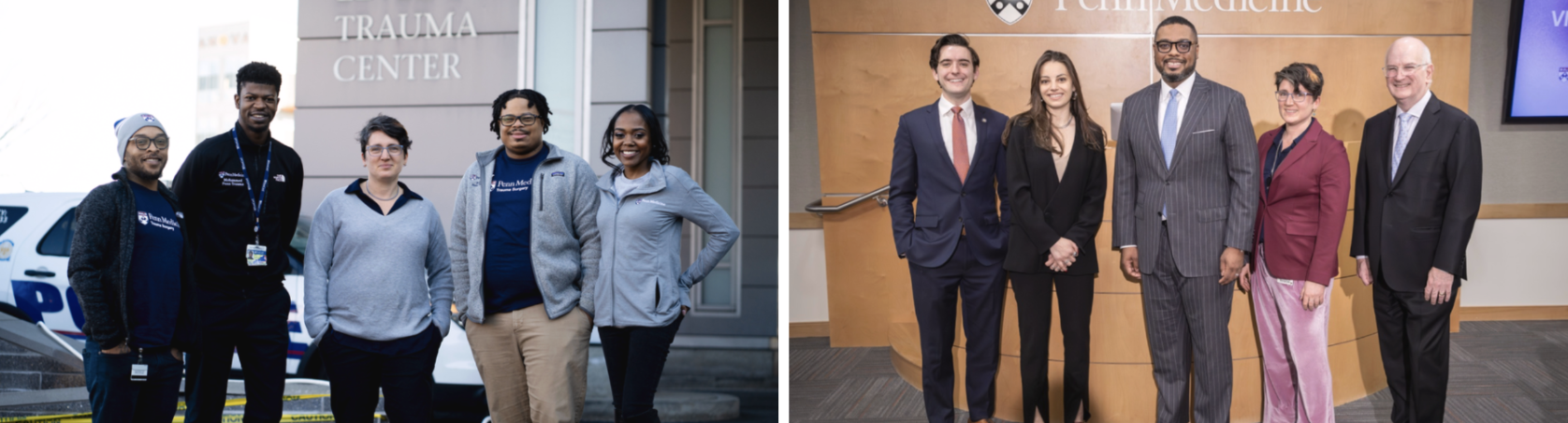
Elinore Kaufman, a trauma surgeon at Penn Medicine and director for the Penn Trauma Violence Recovery Program, explained the importance of programs like these in the state:
“When I care for a patient injured by gunshots, my goal, along with my clinical team, is to repair physical damage: to use all the resources and skills that we have at Penn Trauma to transform life threatening injuries into something that can heal… But for so many of our patients, discharge home is not a success if their home isn’t safe because the shooter knows where they live. If they can’t keep the lights on because the electric bill is too high. If their injury puts them out of work and now they are behind on rent and at risk of eviction. If they have nightmares and flashbacks and don’t feel safe leaving the house. If they can’t get to their follow-up appointments because they have no transportation… [Now with programs like these] it’s an opportunity to help them heal, to help make their life a little bit better, to help prevent the next injury, and to help make our community a little bit stronger.”