- Mobile Crisis Teams Reduce Arrests, Strain On Jails And Hospitals. In a recent review of multiple studies evaluating mobile crisis units, published in BMC Health Services Research, researchers found that “mobile crisis proved to be the only intervention that led to significantly lower incidence of arrest in the year following [an] initial crisis,” compared against co-responder units and officer-based response. They conclude that mobile crisis team treatment “reduces individuals’ likelihood of arrest… in the period after treatment compared to controls similarly at risk for these outcomes,” and emphasize that mobile crisis team treatment reduces jail admissions as well as emergency room admissions.
- The “True Unmet Need” For Behavioral Crisis Response Is Far Greater Than Previously Thought. Analyzing computer-assisted dispatch data from 15 U.S. police departments, researchers in a recently published pre-print study found that with “police officers having long been the default, primary responders to mental and substance use related incidents in the United States… some U.S. cities may see up to 20% of police dispatch time spent on behavioral health” calls for service. Based on these estimates, the study concludes that “the true unmet need for alternative crisis response in U.S. cities is far greater than previously thought,” and that these findings “may offer a reasonable guide for municipalities that are considering implementing an alternative crisis response service.”
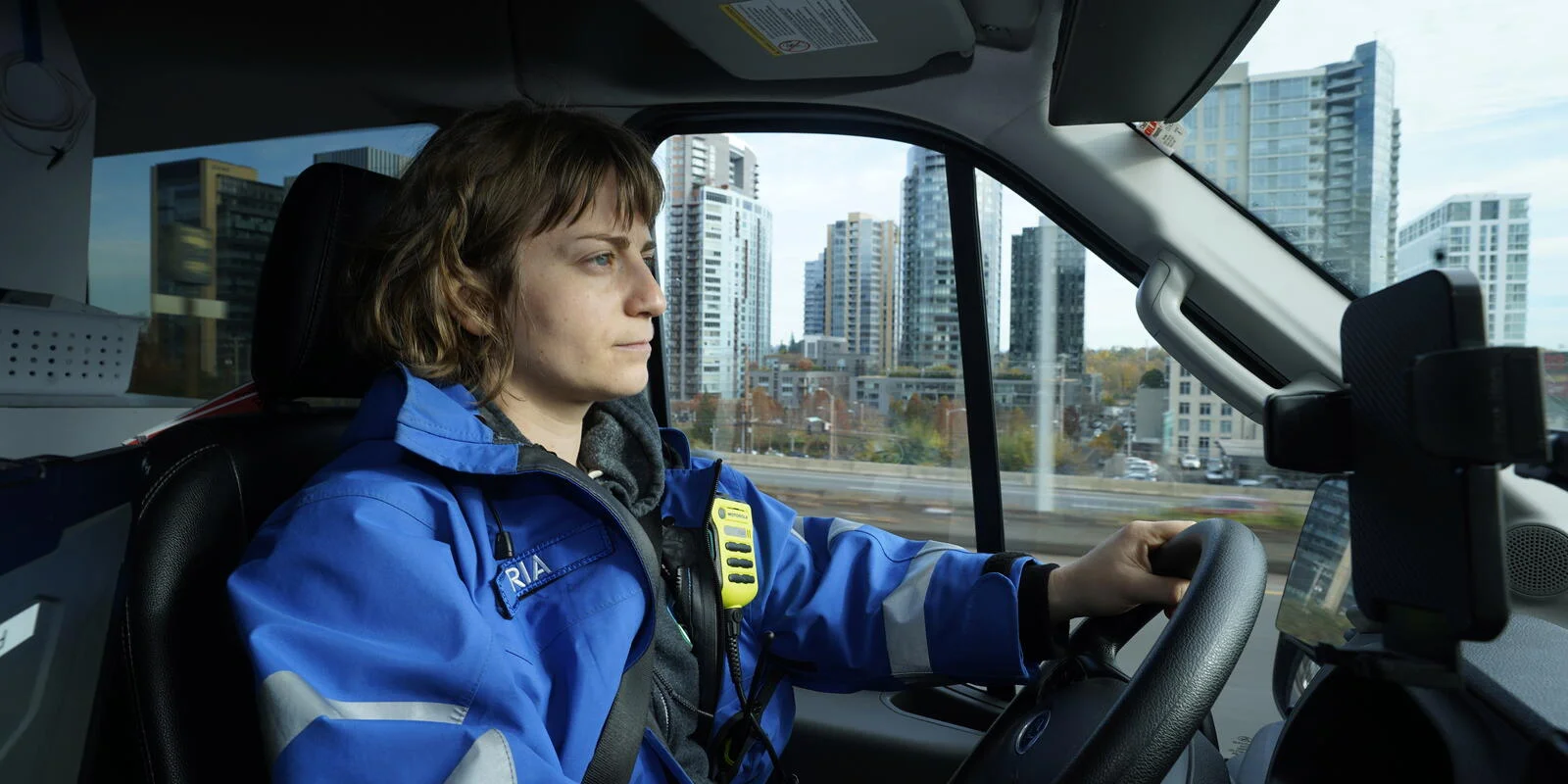
- Portland Street Response Team Increased Trust In City’s Emergency Response Among Homeless. In a recent study published in the Journal of Prevention and Intervention, researchers examined Portland Street Response, the city’s mobile crisis response team, and its impact on trust in the homeless community as it began to respond to homelessness-related calls for service. Researchers found that many in the homeless community initially reported feeling “unsafe calling 911,” citing concerns about what response might arrive and whether help would meet their needs. But as awareness grew that Portland Street Response was an available responder option, trust increased: the share of unhoused respondents who reported feeling unsafe calling 911 “dropped from 57.9%… to 44.9% after the program had been active for two years.” Clients of Portland Street Response consistently described feeling treated “with compassion and dignity,” saying responders “treated us like humans,” and emphasizing the reassurance of having a clearly defined alternative response option: “I don’t worry anymore. I can say I need Portland Street Response.”