- In Phoenix, Arizona, “911 Callers … Will Now Be Asked About Mental Health.” For KJZZ, Matthew Casey reports on the new mental health program launched at Phoenix’s 911 emergency dispatch center that “instead of just asking if emergency callers need police officers or fire fighters, Phoenix 911 dispatchers are now also asking if people need help with behavioral health… [with] the goal to reduce unnecessary responses by police and fire.” Local leaders explained that if a caller needs mental health service, now “they’re transferred to a special dispatcher, who then sends out staff from the Community Assistance Program, which includes mental health units and crisis response teams.” Phoenix’s approach follows the model pioneered in Austin, Texas that Safer Cities has spotlighted—when you call 911 in Austin, a dispatcher will ask you: “Do you need fire, EMS, police”—or, the fourth option—“mental health.” Then, they determine the appropriate responder team, based on the needs of the caller. DC Ernst, who oversees the Community Assistance Program in the city, explained in an announcement about the 911 policy shift that “the goal is to ensure the right help is sent to the right calls … ‘this enhancement … ensures residents receive the most effective response available for their situation.”
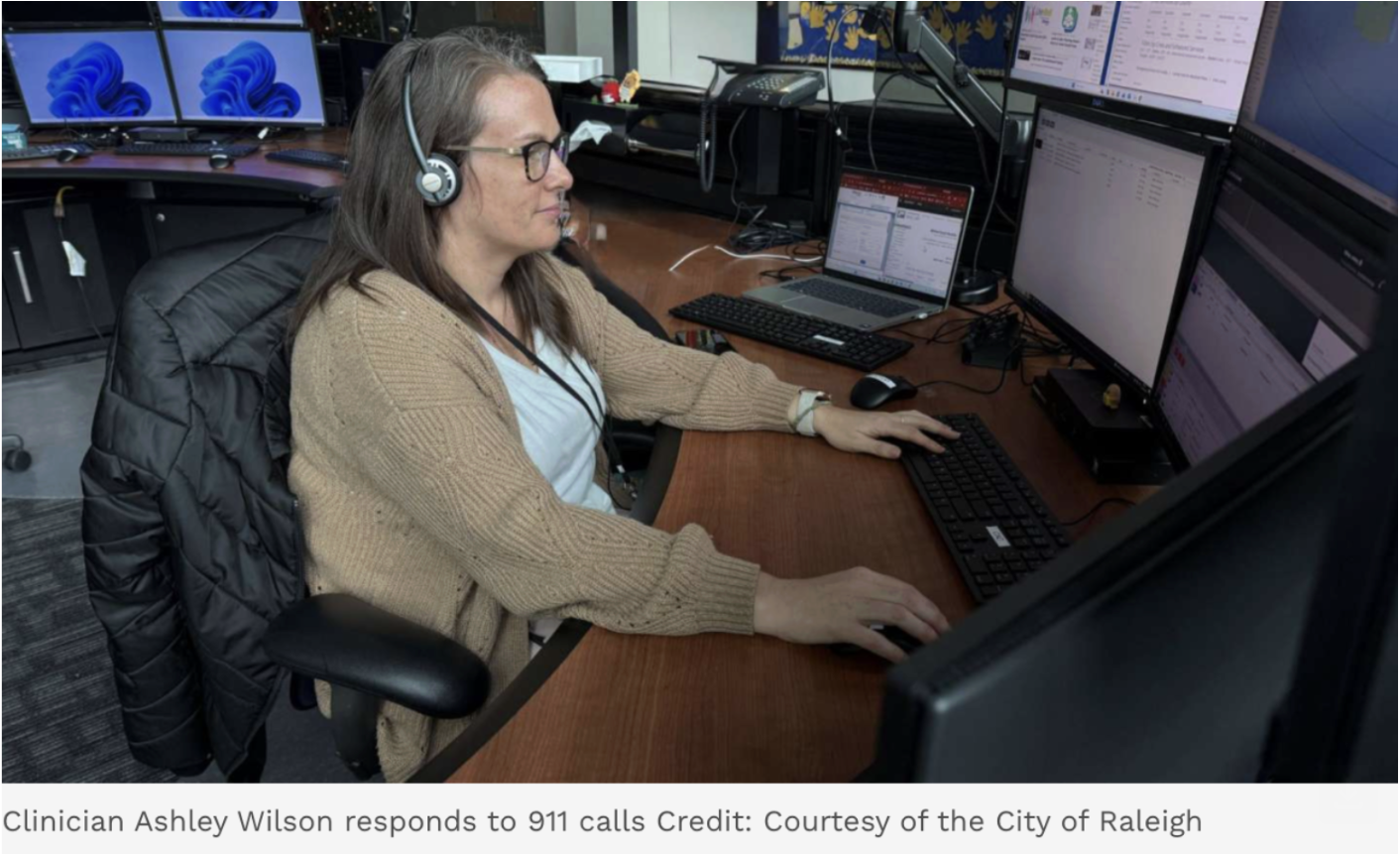
- In Raleigh, North Carolina, A “Team Of Licensed Mental Health Clinicians [Is Now] Embedded Within The 911 Call Center” To Help Determine the Best Responder. For Indy Week, Chloe Courtney Bohl reports on the new pilot program which places “a team of licensed mental health clinicians embedded within the 911 call center who are trained to de-escalate mental and behavioral health crises and connect people with long-term support… assessing whether police officers are best equipped to respond to the situation or if a mental health professional should intervene instead.” Indy spoke with Dominick Nutter, the city’s Emergency Communications Director, as well as Michele Mallette, the city’s Chief of Staff, who championed this shift. The full interview is worth your time but here are some key learnings from the pair:
- Why Add Mental Health Clinicians To 911? “One of our former police chiefs… recognized that there was a growing need—not just from community concern but from a police resource standpoint—for an alternative for the community that was experiencing mental health crises. We decided we would embark on developing our crisis call diversion line… as we divert calls over to the clinicians, it helps with our improved response time. If [police] responders aren’t going to those calls, they can focus on other calls where the public needs them, and it’s going to reduce the time it takes us to get there.”
- How Does It Work At The Call Center? “A 911 call comes in and we have our standard case entry questions… as they start explaining the situation, our team will decide if it’s something that is appropriate for [police, fire or mental health response]… The big thing is, does the person have a weapon and is there any danger? In that case, then [mental health response] wouldn’t be appropriate. If it’s something that’s appropriate for [mental health response], then the call is transferred to a counselor. One of our telecommunicators will talk to the counselor first so the counselor is aware of the situation, and then they will bring in the caller…. Often we are helping people access resources like behavioral health urgent care, crisis assessment, or mobile crisis, a service that comes to people’s homes and helps them figure out the best next steps for them, while assessing that it’s a safe step.”