A new report published by California Health Care Foundation synthesizes field practice, statewide policy changes, and the emerging national accreditation standards for sobering centers—places where publicly intoxicated people can rest, get sober and get connected to addiction treatment and other services, instead of going to an emergency room or jail. The researchers detail the “practical tools, financial planning resources, and real-world examples” of working sobering centers, as well as “the fundamentals of sobering care and essential planning considerations” for local leaders interested in implementing sobering centers in their jurisdictions. The report’s authors find that sobering centers offer a “safe, short-term alternative to emergency departments (EDs) and jails” and function as a “24/7 hub for service connection and integration.” The full guide is worth your time, but here are some of the key takeaways about Sobering Centers:
- Reduce Strain On Emergency Rooms And Jails: “Sobering centers provide a safe, short-term alternative to emergency departments (EDs) and jails for people experiencing acute intoxication,” creating “relief of congestion” and enabling “law enforcement efficiency.”
- Create A Gateway Into Treatment, Housing, and Recovery: Sobering Centers provide “navigation to additional services,” “referrals and warm handoffs to aftercare services,” and “connections to substance use treatment and recovery programs.” They operate as “an effective entry point and connection to care recovery options when clients are ready.”
- Facilitate Strong Cross-Agency Partnerships—And Deliver Systemwide Benefits: The guide emphasizes “law enforcement collaborations,” “emergency medicine integration,” and “formal partnerships” with hospitals and EMS, noting that collaborative systems allow faster transfers, and “reduce unnecessary [emergency room and jail] visits.”
Momentum For Sobering Centers Around The Country:
- “Austin’s Sobering Center Can Soon Help Double The Amount Of Patients.” For KXAN, Brianna Hollis reports on the expansion of Austin’s lauded sobering center which has expanded, “adding a newly renovated second floor” with more beds and “will soon be able to help more patients in need” by early 2026. The new expansion will also allow staff at the center to “separate patients who are still under the influence from those who have sobered up and are awaiting further treatment.”
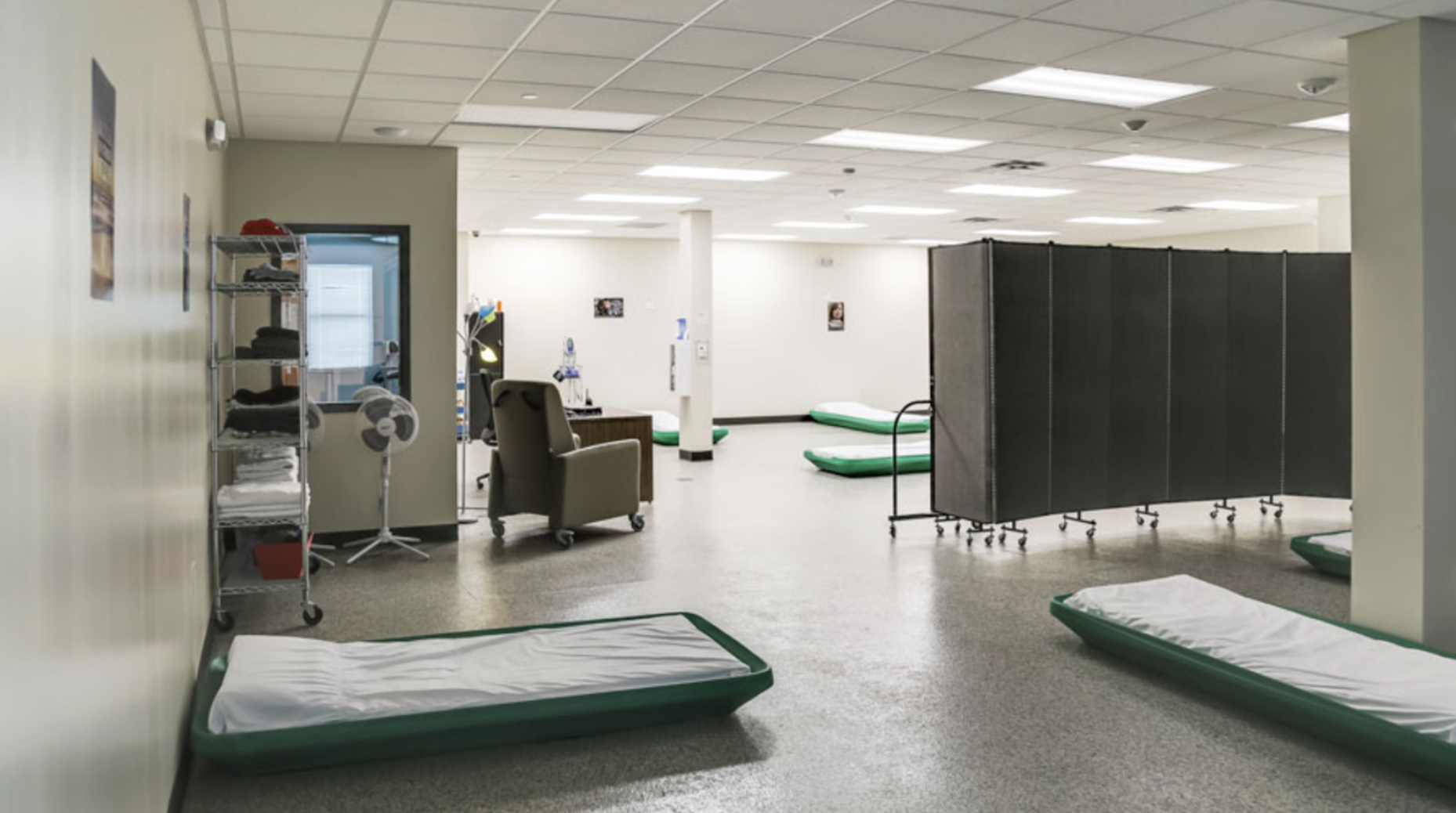
- Tucson, Arizona’s “First-Of-Its-Kind” Sobering Center Will Provide “Treatment And Overnight Stay.” For KOLD, Ashley Bowerman reports on the new medical facility, called the Sobering Alternative to Recovery Center, opening in early 2026, that “provides treatment and an overnight stay for individuals experiencing substance use disorder… instead of jail or a crowded emergency room.” The facility will have “15 overnight beds where people experiencing a substance use crisis can be connected to treatment and recovery resources” and trained medical professionals “will be available 24/7 to prescribe medications for opioid use disorders” with patients able to stay up to four days, if needed. Patients can walk in or be brought in by EMS, law enforcement, or transferred from hospitals.