- “Milwaukee County Behavioral Health Services Mobile Crisis Team Celebrates 30 Years” Of Service. For Spectrum News, Blake Dietz reports on Milwaukee County, Wisconsin being “trailblazers for mobile response”—operating one longest running mobile crisis response teams in the country, “dispatching clinicians and other mental health and social services professionals, directly to those who need help,” a model that has taken hold across the country.
The news station interviewed Enjoli Varnado, a psychiatric clinician on the mobile crisis response team for about a decade, who explained that the team “has made a significant impact” around the county: “‘We’ve helped to divert individuals from being criminalized due to their mental health…. We’ve helped to connect families’ … [and] also created safer interactions between law enforcement and those in crisis….” And their work continues to grow. As the Milwaukee Journal Sentinel reports, the mobile crisis response team served more than 6,000 patients last year—a 33 percent increase from the year prior.

- Ohio Youth Mobile Crisis Response Now Operational In All 88 Counties, Statewide At No-Cost. WSAZ in Columbus reports on Gov. Mike DeWine’s latest move to modernize the state’s public safety infrastructure through the expansion of the “Mobile Response and Stabilization Services” team, a no-cost mobile crisis response division providing “immediate in-person assistance to youth suffering from a mental health crisis… available at no cost for children and young adults aged 20 and under who are experiencing mental, emotional, or behavioral diseases.”
The team—composed of “social workers, peer support, and other trained [medical] professionals who work with the young person and their family” during a mental health crisis—has been operational in 56 counties since summer, is “already making a positive impact,” Kennedy Chase reported for Spectrum News. Counties that have been operating the MRSS team have been seeing “better behavioral health outcomes, less juvenile justice involvement, fewer inpatient residential stays for children, and fewer children spending the night in emergency departments because of a behavioral health crisis,” Gov. DeWine explained. The mobile crisis team for youth is now operational “between 8 a.m. and 8 p.m., Monday through Friday, while tele-response teams will be available overnight with an in-person visit the following day.” Here’s how the program works, from Dayton Daily News:- When a call comes in to 988—“about 18,000 calls, texts and chats [come in] each month” to the hotline—MRSS attempts to de-escalate the crisis over the phone, or “deploys trained professionals to help [youth] dealing with a behavioral health crisis” wherever they are located. The goal is to dispatch a provider within one hour.
- Then, “after they de-escalate the situation, families receive follow up support for six weeks” after the initial call for service, helping to ensure that the young person remains stable and successfully returns to their normal routine.
- MRSS can also offer extended “in-home services, and connections [to] peer support, skill-building opportunities, and prevention resources.” The state is planning to invest $51 million to serve anyone under 20 who is in need of mental-health crisis care.
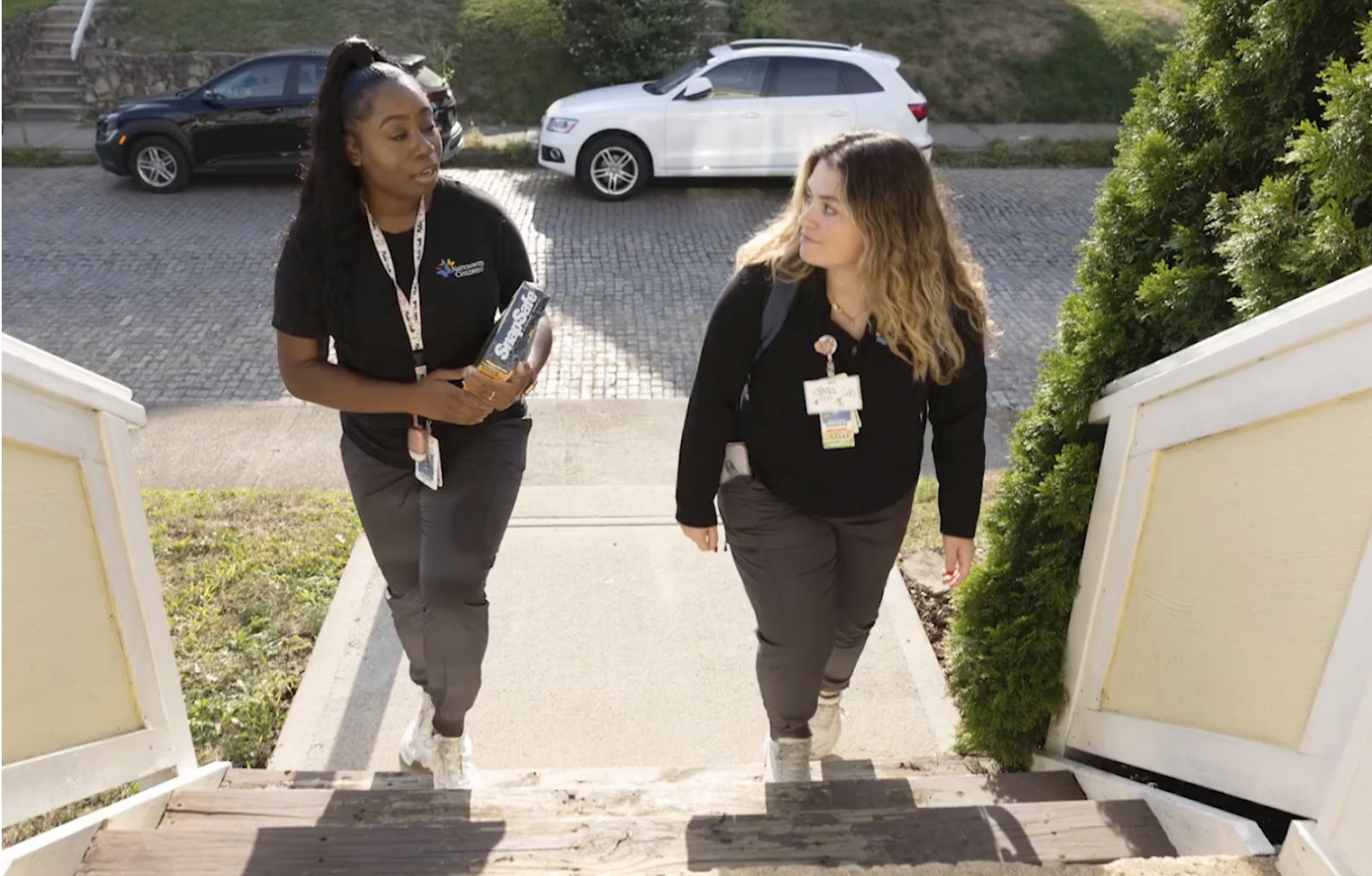
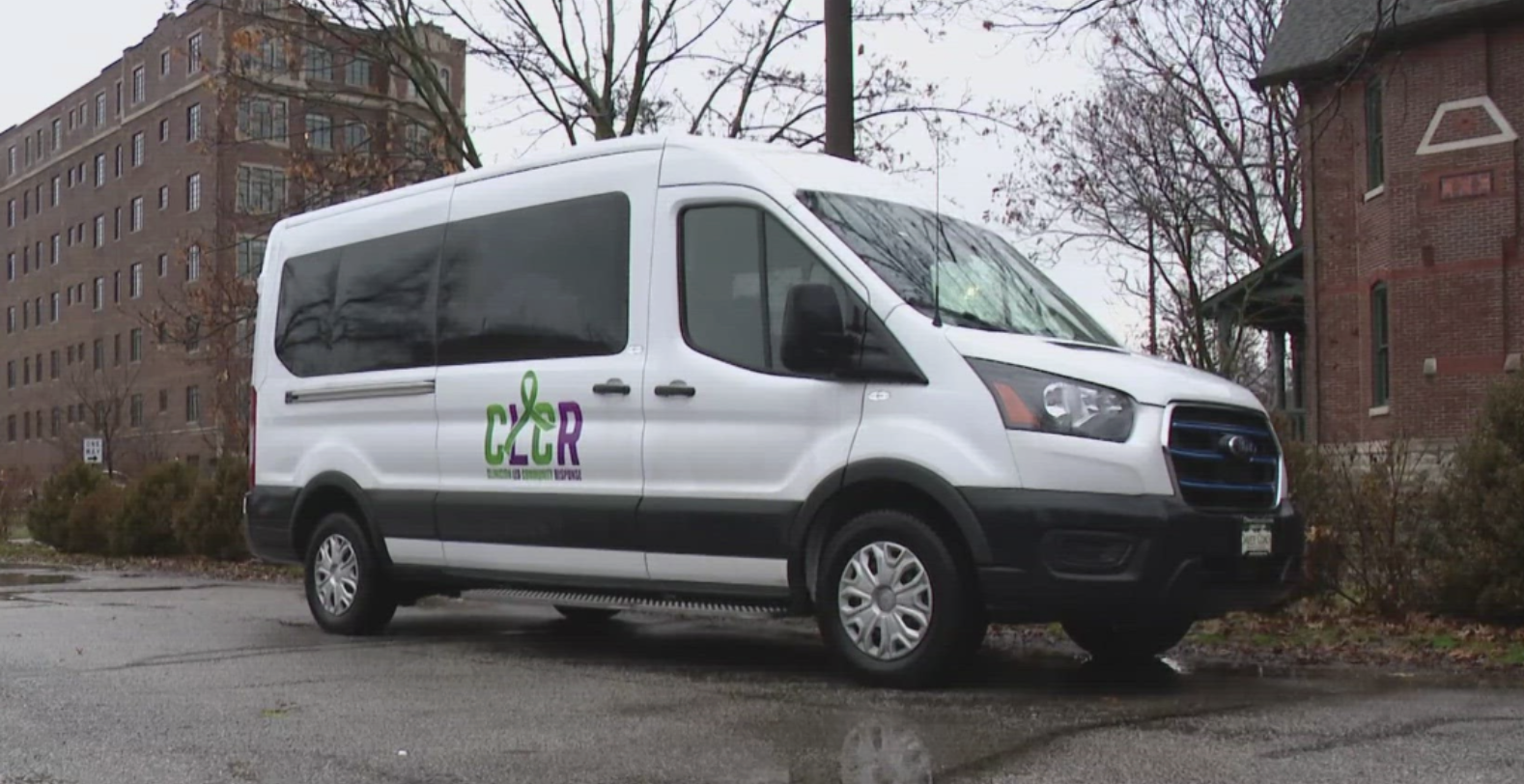
- In Indianapolis, “Clinician-Led Mental Health Response Team Expands.” For WFYI News, Benjamin Thorp reports that city leaders have approved an expansion of the Clinician-Led Community Response team, which when launched in 2023 was isolated to downtown, but has since proven to be a valuable third branch of the public safety infrastructure of the city and will “now cover roughly 63% of the city.” When someone calls 911 in the city, “a dispatcher asks them a series of questions, including whether they are in need of support from police, EMS, or mental health services.” If mental health services are needed, the team is deployed and “sends mental health professionals instead of police officers” to “assist with people who do not necessarily need to be entangled with law enforcement because they are having a mental health crisis” instead of “flooding” local jails, “emergency rooms, [and] hospitals” with people who can instead receive immediate care from the CLCR team.