The National Association of Counties, in collaboration with the National Association of County Behavioral Health and Developmental Disabilities Directors, published a new report last month highlighting the innovative services and programs counties across the country are implementing to “support community members living with a behavioral health condition or experiencing a behavioral health crisis.” The researchers conclude that these services “improve community mental health, saves taxpayer money, allows law enforcement to focus efforts on public safety responsibilities, reduces the overuse and misuse of the criminal legal system and decreases the reliance on emergency rooms.” The full report is worth your time, but here are some highlights:
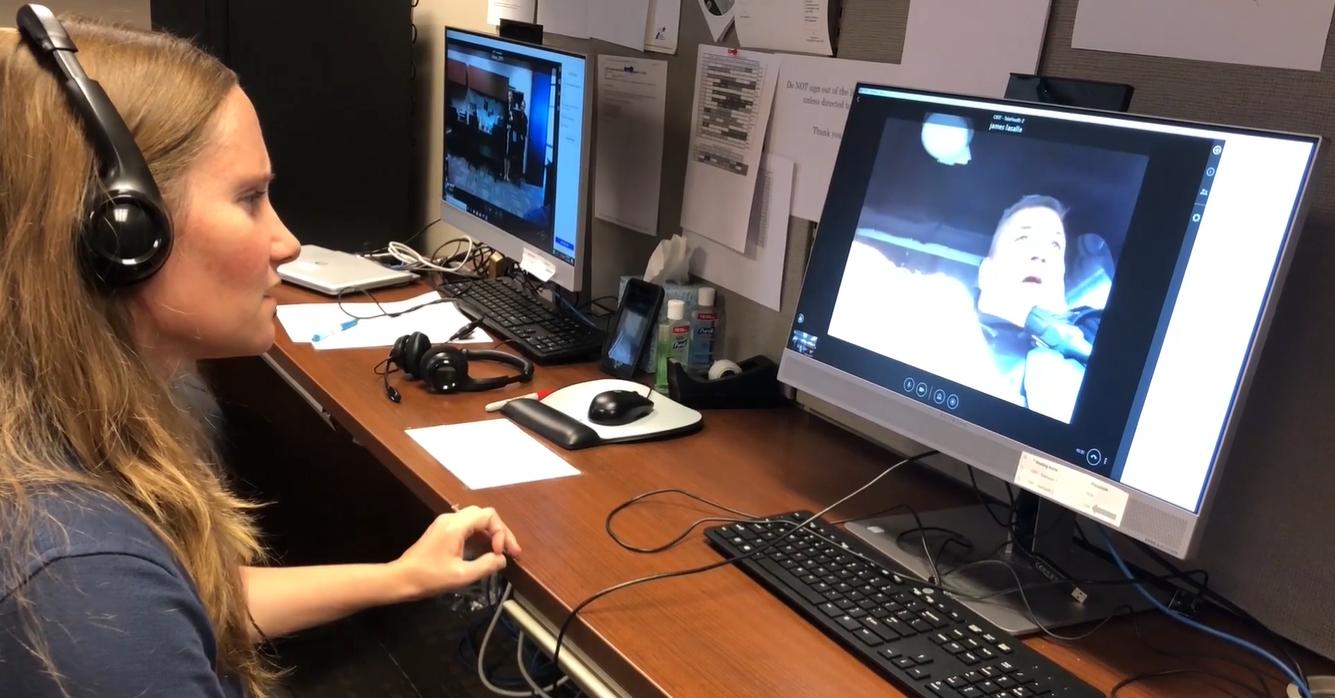
- Harris County, Texas: “The Clinician and Officer Remote Evaluation (CORE) program connects the Harris County Sheriff’s Office (HCSO) with crisis counselors from the Harris Center for Mental Health and Intellectual and Developmental Disabilities (the local mental health authority)… The program delivers telehealth assistance via iPads during mental health-related calls [when law enforcement receives the call for service], providing real-time assessments to determine appropriate actions and facilitate community-based follow-up care…. In 2024, 11 percent of assessed individuals were transported to a hospital, and 33 percent of calls were resolved on-scene with subsequent follow-up from The Harris Center.” Wayne Young, CEO of The Harris Center for Mental Health, explained: “This collaboration not only assists deputies in making informed decisions but also significantly reduces the role of law enforcement in mental health crises.”
- Orange County, California: The Orange County Health Care Agency operates a 24/7 crisis care continuum that integrates 988 and a digital referral platform, OC Links, which provides a county-wide “bed availability dashboard [that] expedites transport for individuals experiencing behavioral health emergencies to Crisis Stabilization Units rather than to an emergency department or jail… These efforts support the county’s broader goal of connecting individuals to appropriate levels of care… by offering alternative crisis response pathways, Orange County reduces strain on emergency services and prevents unnecessary incarcerations.”
- Sevier County, Utah: In rural Utah, Sevier County and five neighboring counties operate a Mobile Crisis Outreach Team (MCOT) through the Central Utah Counseling Center. “The MCOT unit is made up of either a peer support counselor or a therapist and a case manager that can be deployed in response to community members experiencing a mental health or substance use crisis… [and] can be mobilized through calls to the crisis line or by law enforcement directly. Central Utah Counseling Center, the local mental health agency in rural Utah, “estimates that if the MCOT did not exist, up to 96 percent of these responses would have resulted in hospitalization or jail detention.”