- New Report: “Key Lessons And Recommendations” For Local Leaders Launching Mobile Crisis Response Teams. A new report published by the Vera Institute highlights what worked well, what challenges emerged, and what other cities and counties can learn from the first year of New Orleans’s Mobile Crisis Intervention Unit. The full report is worth reading, but here are the topline findings for local leaders interested in launching a successful mobile crisis response team:
- City and County leadership should ensure that the unit has “sufficient funding, time, and authority to operationalize interagency coordination… sufficient and sustainable funding from city or county general budgets is essential for establishing and integrating alternative first response as a branch of local emergency response systems…. provid[e] services to everyone regardless of insurance status…”
- Agency and Department heads should “leverage their authority and cross-agency relationships to foster collaboration among key partners (911, emergency response, public safety, and health and social service providers)… facilitate and formalize data-sharing agreements and practices… for collaborative planning and problem-solving routinely review 911 call data, alternative first response data, and feedback from staff and community members to inform design and operations.”
- Mobile Crisis Responder Team leaders should “engage the leadership and staff of key [public safety] partners and sustain communication [for] planning and problem-solving…create opportunities for meaningful community participation during planning and implementation… implement and sustain marketing and community engagement strategies to increase broader public awareness of alternative first response… [convene] regular interagency working group meetings … [ask] partners for advice, review data together… problem-solving [together], and [be] honest with each other when protocols and practices needed to be refined.”
Cities Expanding Their Successful Mobile Crisis Response Teams:
- In Tulsa, Oklahoma, “Alternative Response Team Expands Services.” For 2News, Clifton Haskin reports on the Alternative Response Team, or ART-2, service expansion through the addition of specialized “mental health professionals” as well as dedicated paramedics from the Tulsa Fire Department who will respond to mental health and medical-related calls for service for the homeless population around the city. Mayor Monroe Nichols, a champion of the mobile crisis team in the city, explained on his Facebook page that the program is “a win-win for reducing homelessness and increasing public safety…. [because] ART reduces 911 medical call volumes and provides proactive outreach to people experiencing homelessness… free[ing] our firefighters and officers from dealing with medical calls and gets them back to protecting Tulsans.”
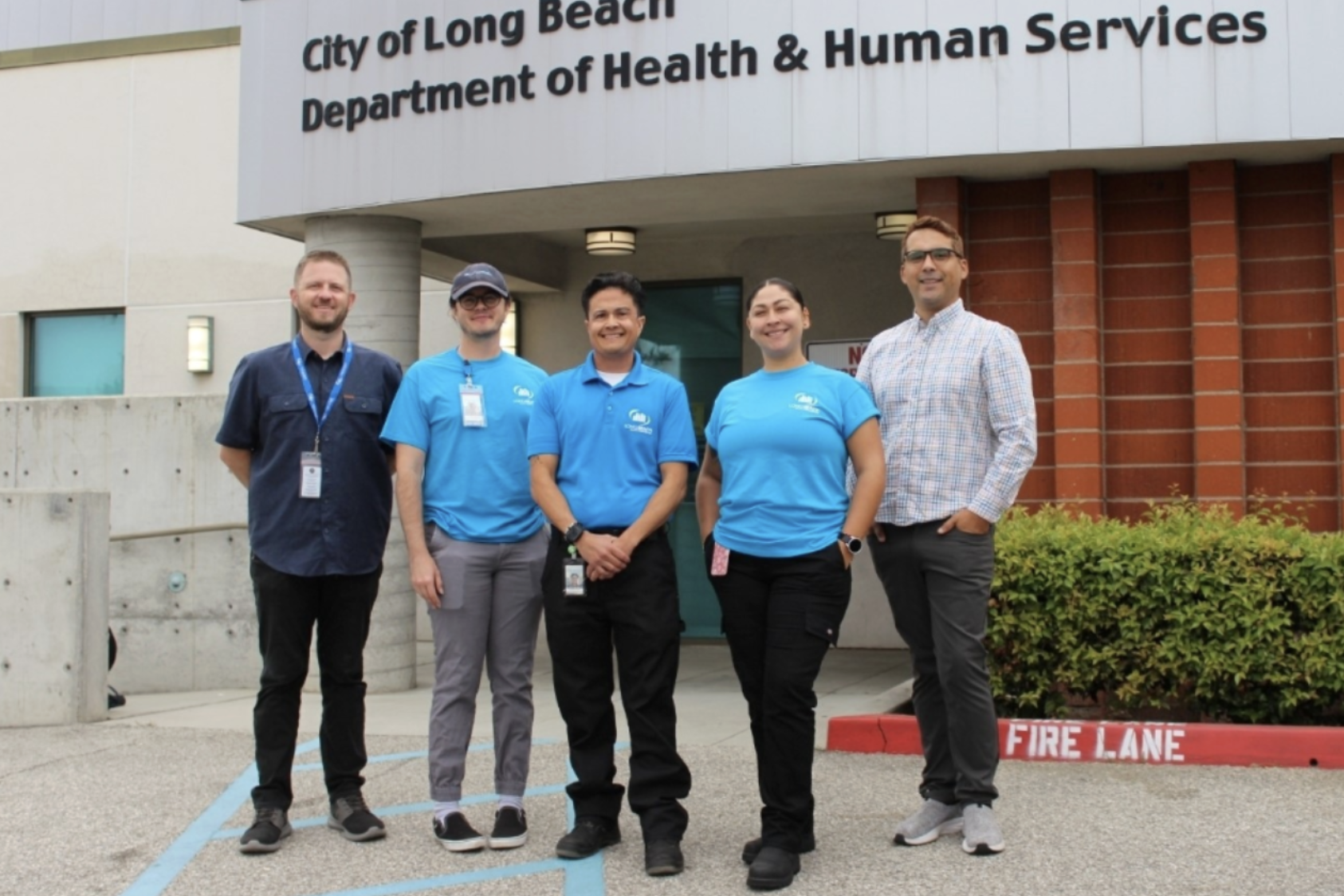
- Long Beach, California’s “Community Crisis Response Team Expands Service Area Citywide.” For The Long Beach Press-Telegram, Kristy Hutchings reports on Long Beach city leaders announcing the expansion of the Community Crisis Response team, which deploys experts to calls for service related to mental health crises, substance use concerns, public disturbances and homelessness—growing the team from its launch locations in west side and downtown Long Beach now to serving the entire city. The team functions as a co-equal branch of the city’s public safety infrastructure, working in collaboration with all of the city’s public safety agencies—Health, Fire, Police and Disaster Preparedness and Emergency Communications. When a call for service comes in, dispatchers “identify appropriate calls for a health-based response” and route those calls to the CCR team, so that police officers can focus on serious crimes.