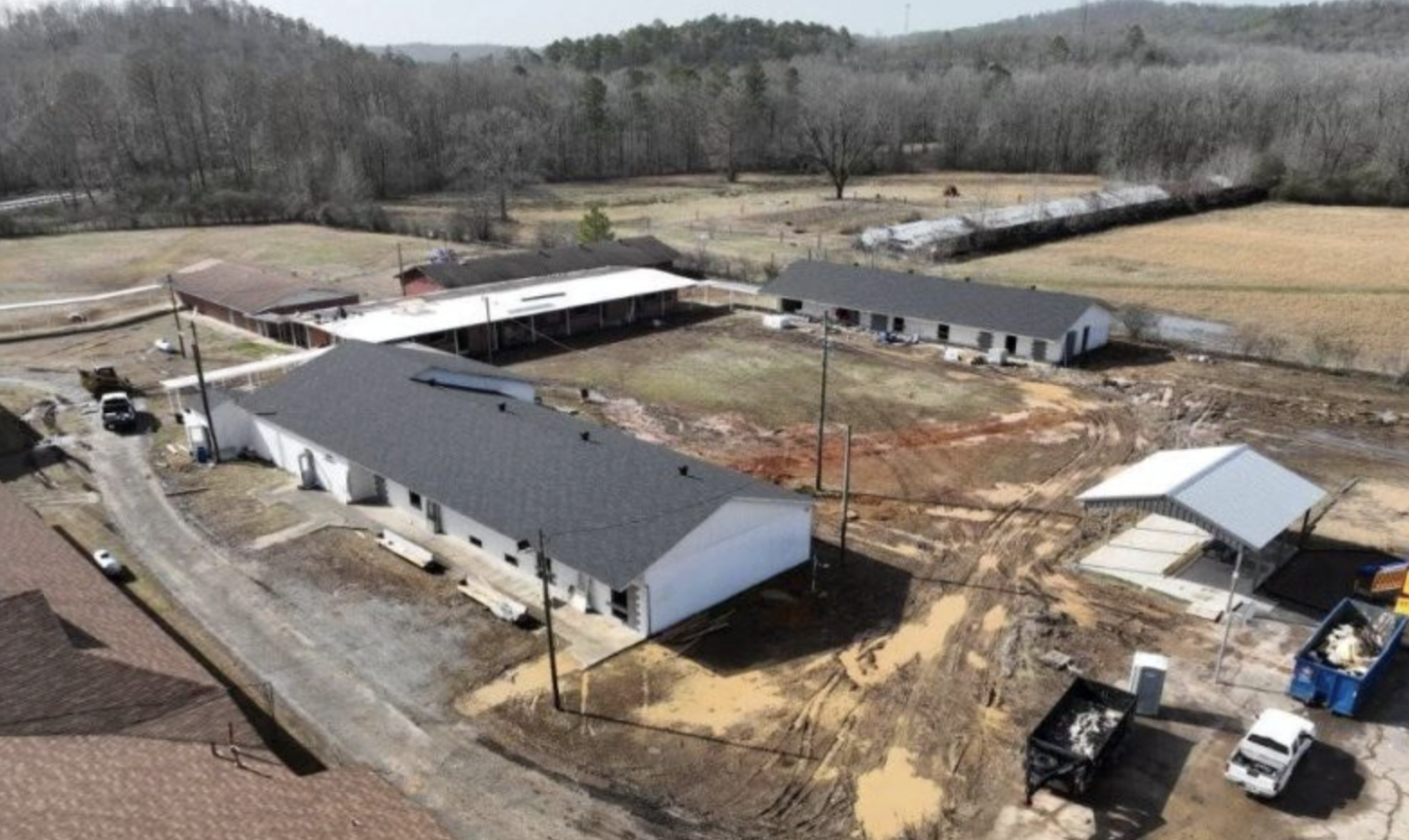
- In Arkansas, Saline County Opens “First Standalone Detox And Addiction” Center. For The Saline Courier, Madison Basco reports on the county’s first addiction stabilization center “dedicated to helping and healing those struggling with addiction all throughout Arkansas.” The center, which is repurposing the buildings and grounds of an unused school, offers patients “a spa-like medical detox… [with design elements that] are intended to create a relaxing space where clients can focus on stress reduction” with therapists and other addiction experts in individual and group sessions. The facility also offers “transportation services [so] they can pick up clients from anywhere in the state of Arkansas and bring them to their facility.” Arkansas Attorney General Tim Griffin and Saline County Judge Matt Brumley, both champions of the new program, spoke at the grand opening of the new facility emphasizing the “importance of accessible, high-quality addiction treatment and the role of community support in recovery efforts… ‘this is about giving people access to help they didn’t have before. A place where they can do the work, heal, and build something better.’”
- In Plattsburgh, New York “First Of Its Kind” Addiction Crisis Stabilization Center Opens. For WCAX, Alek LaShomb reports on the new “intensive stabilization crisis center for people experiencing a mental health or substance abuse crisis” that opened this month in Plattsburgh. Richelle Gregory, who oversees the addiction stabilization center, explained to the news station that this allows for a patient to “walk in and be met with immediate, trauma-informed support … [with] no emergency waiting room, no police custody… 24 hours a day, 7 days a week.” The center is working with first responders and health care professionals, like police officers, medics, and mobile crisis response teams, so that they route patients who are better served by the healthcare at the center in order “to help offload demand” from other facilities like emergency rooms and jails.
- In California, A Lauded Addiction Stabilization Center Expands. For Inland Empire Community News, Manny Sandoval reports on Cedar House, an addiction stabilization center with locations in both San Bernardino County and Riverside County, which just “secured a $30 million grant that will fund a new two-story facility” expanding available treatment beds. The center, which provides addiction treatment to both men and women, “30% to 40% [of whom] are experiencing homelessness,” has “delivered more than 53,968 hours of care for high-intensity [patients] and 8,777 hours for [patients] in lower-level programs… [and has received a] 97% overall satisfaction rate among patients… [with] more than 90% of individuals transitioned into long-term recovery programs.”
Jake Strommen, the outreach coordinator at the center, explained to the newspaper that their success rate is due to the center’s wraparound approach to addiction:- “Every treatment plan is individualized, residents receive three meals a day, group therapy sessions, one-on-one counseling, and access to licensed vocational nurses and nurse practitioners who oversee medical needs and medications.”
- “Withdrawal management is a cornerstone… with staff trained to guide patients through the dangers of detox, especially alcohol withdrawal, which can be fatal if not monitored properly.”
- “Programs extend beyond residential care… [staff] provides medication-assisted treatment, perinatal services… sober living… outpatient programs, overdose prevention training, and alumni support. Roughly 30% to 40% of its medical population is unhoused, many using the center as a primary residence after living in cars or being displaced from family.”
- “Central to Cedar House’s approach is the Matrix Model, a 16-week evidence-based outpatient program that blends group counseling, relapse prevention, family education, and 12-Step facilitation. Developed in response to the cocaine epidemic, it remains one of the most effective treatments for stimulant addictions.”