For The Seattle Times, Taylor Blatchford has a detailed feature on the successful multi-faceted approach King County is taking to mental health calls, by investing in a “mental health-focused response system” that is “driven by [a] 988 crisis lifeline [partnership with 911], mobile crisis teams that respond to emergencies in person, and [crisis stabilization] centers dedicated to providing walk-in care.”
The county’s emergency response system, like most around the country, has “long relied on 911 calls, police officers and firefighters to get people urgent help.” But this approach, the newspaper reports, “hasn’t served people with mental health or substance use needs, who have often ended up in hospital emergency rooms or in jail, or haven’t gotten help at all.”
That’s why leaders in King County told the newspaper that they have modernized their public safety infrastructure by taking the position that this is “a coordinated and integrated system of [services] as opposed to component parts… [that is] super powerful and can create some significant return on investment” by “introducing new dispatchers, new responders and new health care centers” for mental health calls for service, across the county.
The Times’ entire story is worth your time, but here are the topline findings on how the program works:
- Someone To Call—Dispatcher Partnership At 988 and 911: “Last March, King County began diverting mental health calls that don’t pose a safety risk to 988, the suicide and crisis lifeline. Staff and volunteers are trained to talk people through crises and de-escalate them, and they’re able to spend more time on the phone with callers… [dispatchers at] South King County 911 calls, started working closer with [dispatchers at] 988 in King County… [Now 911 dispatchers] listen for calls with a mental health connection … if the caller doesn’t have a weapon, and isn’t actively threatening to harm themselves or others, the call receiver can do a ‘warm transfer’ to 988, introducing the caller to the 988 call taker and handing them off.”
911 dispatcher Dustin Freeman told the newspaper that the shift is helping people get the appropriate response faster—whether they need police, fire or mental health assistance—because not all calls need to involve the police: “We weren’t using them enough… when someone is in a mental health crisis, there’s no crime happening, and 988 has more resources to help people.” Dispatchers and mobile crisis team clinicians explained to the newspaper that “most calls to 988 don’t lead to a mobile crisis dispatch; many callers just need someone to talk to. In cases where there isn’t an active safety risk, staff focus on connecting with them and coming up with a plan for what they’ll do after the call.”

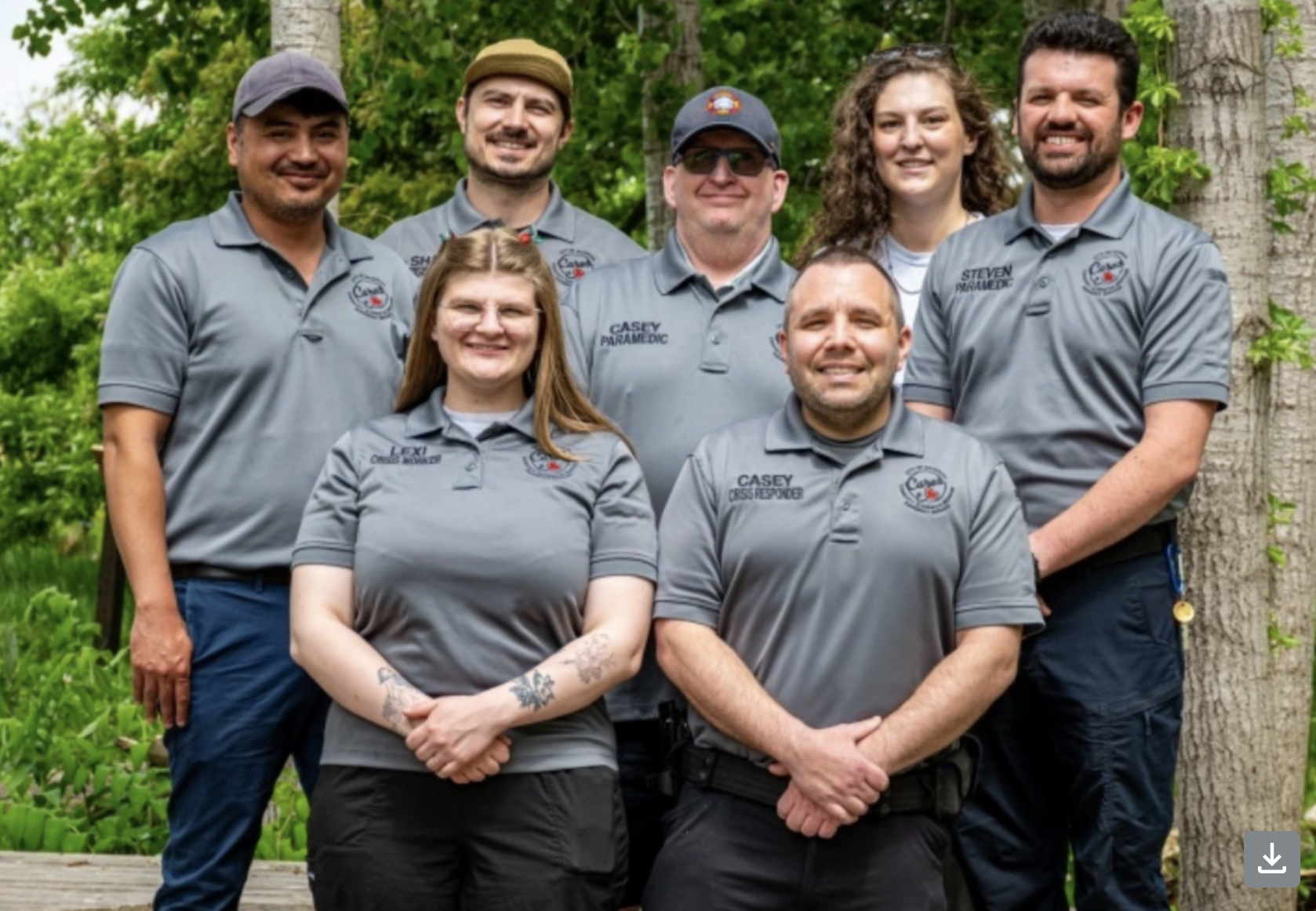
- Someone Who Shows Up—Mobile Crisis Response Teams: “Dispatchers use an interactive map to track mobile crisis teams spread throughout the county… to help community members connect to health care, shelter or other resources… King County has a total of 27 [mobile crisis response units]… operating teams 24/7…. [helping] community members with mental health and substance use disorders… [or] food and shelter… [patrolling in their team vehicle with] ‘go bags’ stocked with the overdose-reversing drug [Narcan]… People don’t always want services right away, and a key part of the team’s work is following up [in the days and weeks after a call for service]…The mobile crisis teams, 988 and 911 all have to work together to get people the right response at the right time.”
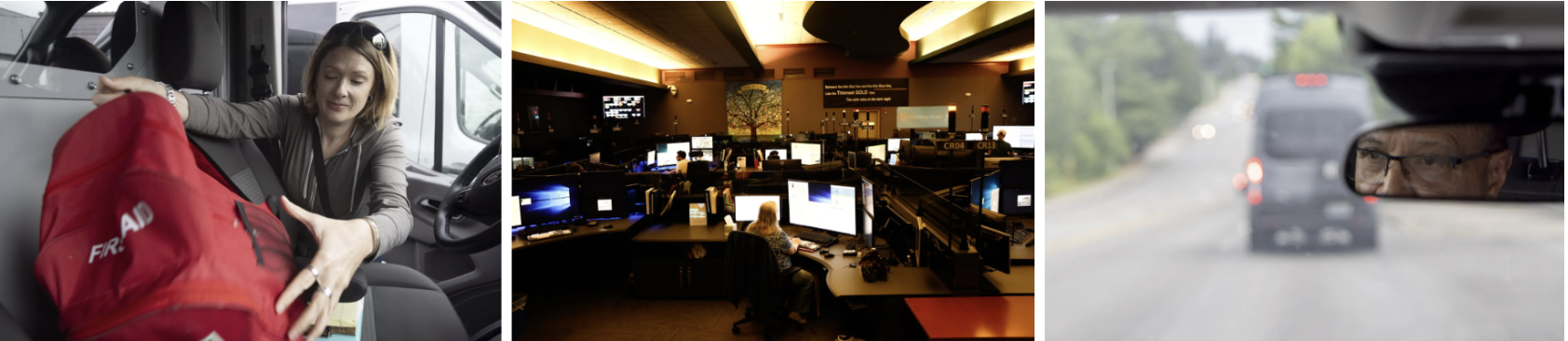
- Somewhere To Go—Crisis Stabilization Centers: King County is in the process of opening five crisis stabilization centers across the county, where first responders can take people experiencing a mental health crisis 24/7 where they will “receive urgent mental health care, regardless of insurance status and ability to pay… [The centers] offer multiple levels of mental health care, from urgent care for quick appointments to longer stays up to 14 days,” here’s more detail:
- “The first floor has separate entrances for the general public and first responders, who have the guarantee that people they bring will not be turned away.”
- “An urgent care clinic lets patients see a clinician for quick appointments like prescription refills.”
- “An observation unit where patients can stay for up to 23 hours, a key part of the crisis care center model… in an open common area with staff supervision. Small adjacent spaces are used as ‘calm rooms’ or for consults with providers.”
- The second floor has crisis stabilization for patients who come in voluntarily, and one for evaluation and treatment for involuntary patients, committed through the civil court system. Either unit can house patients for up to 14 days.”
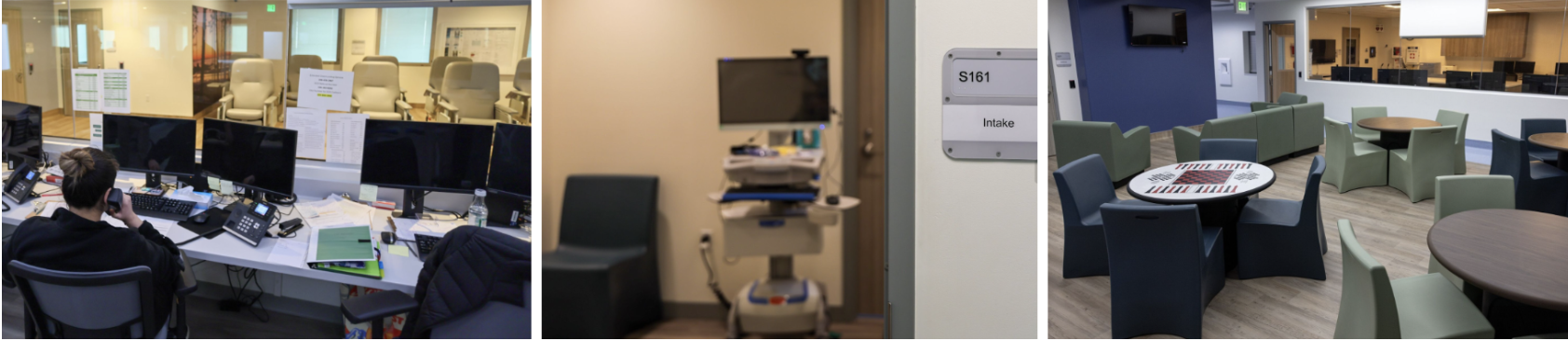
- Related: Madison, Wisconsin’s Mobile Crisis Response Team Celebrates 10,000 Calls For Service. The city’s Community Alternative Response Emergency Services, or CARES, team, “responded to its 10,000th call for service… a milestone that further cements the program’s place as a valued service in our community,” the city announced last week. The team—composed of a Fire Department medic and mental health crisis professional—“specializes in responding to non-violent behavioral health emergencies that previously would have been dispatched to law enforcement and EMS [and] between active calls for service, the teams follow up with their patients to ensure they have been connected with the services they need.”