- “First Of Its Kind In The State Of Mississippi” Crisis Stabilization Center Launching. For WHLT, CBS News’ local affiliate, Brandon Raines reports on the new crisis stabilization unit now under construction in Purvis, Mississippi that is “designed to help people facing a mental health or addiction crisis and connect them with local services.”
The two-story facility—which the news station reported “will be a game changer… the first of its kind in the state of Mississippi”—is housed in a converted former national guard building, “will include individual rooms, a nursing station, crisis intervention officers, specialized medical staff [and is] … staffed with a certified nurse practitioner, psychiatric nurse practitioner, and, eventually, a mobile crisis response team…”
Dr. Rita Porter, a psychologist who directs adult services with local Pine Belt Mental Health Center and is overseeing the services at the new facility, explained to WDAM News that the facility “provides treatment for the individuals in an environment that’s much more relaxed than a state hospital and it also helps people like law enforcement to be able to have some place… to bring individuals who they believe have mental health symptoms” instead of jail or an ER. - In Salt Lake City, Utah Crisis Stabilization Center Sees “High Demand And Quick Intervention For Mental Health Services” With Patients “Better Served Than Being Sent To An Emergency Room Or Jail.” Salt Lake City Council members recently reviewed the progress of the city’s new Huntsman Crisis Center, just opened in March, which provides “immediate triage and stabilization for individuals in crisis,” Citizen Portal reported last month, and found that the mental health facility is already seeing “high demand and quick intervention for mental health services.”
The council noted that the “average wait time for individuals seeking help has improved to just seven minutes” and that after being successfully stabilized at the center, “70% of clients are referred back to their homes for outpatient treatment.” The city council members noted that the center is also operating “at full capacity, having served approximately 2,000 clients [so far this year], with… referrals coming from the Salt Lake City Police Department.”
That means that medical staff at the facility are treating an average of about “22 to 25 [people] per day” at this rate, Emma Benson reported for KSLTV, with patients “better served by being brought here than they were by being sent to an emergency room or jail.”
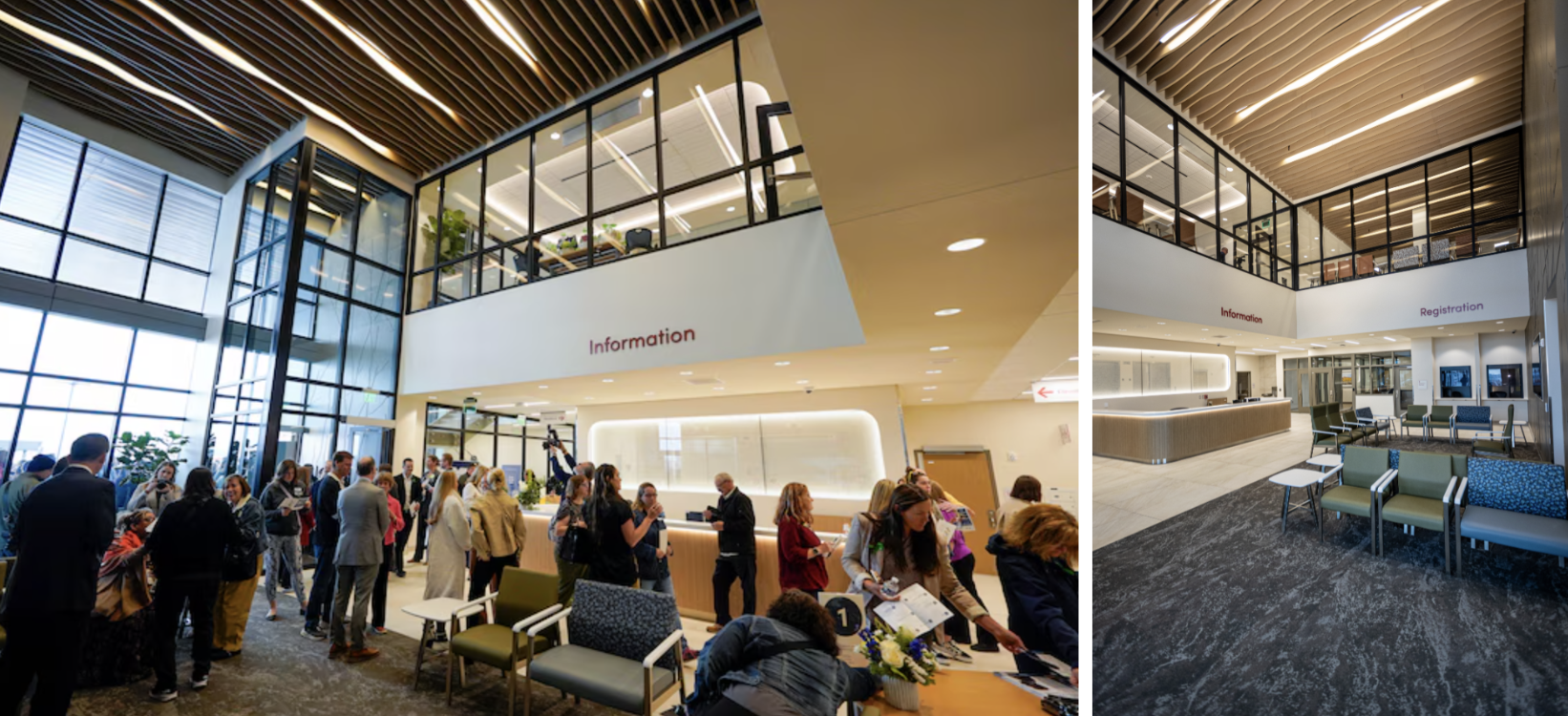
- Las Vegas, Nevada “Opens State’s Largest Mental Health Crisis Center…Providing A Crucial Alternative To Jails And ERs, Which Are Increasingly Overwhelmed By Mental Health Emergencies.” For KKLZ, Jennifer Eggleston reports on the “grand opening of a new 17,000-square-foot crisis stabilization center…the largest of its kind in the state” which is “to provide immediate support for adults experiencing behavioral health crises [and] providing a crucial alternative to jails and ERs, which are increasingly overwhelmed by mental health emergencies.”
The facility features “outpatient care and offers mental health stabilization, medical screenings, and case management for up to a year” for patients who need the support, with services “available to adults 18 and older regardless of insurance status.”
To develop the state-of-the-art facility, “Clark County Sheriff Kevin McMahill and Abigail Frierson, deputy county manager, flew to cities [with crisis stabilization centers] to tour facilities” and get inspiration for this center, Grace De Rocha reported for the Las Vegas Sun. Ultimately, the center is part of “a three-part crisis response system employed in other cities” that the county is working to fully develop—including “a 988-call helpline, someone to respond – a mobile crisis unit – and somewhere to go, a crisis stabilization center.”