To gauge public support for Community Violence Intervention programs as part of a city’s public safety infrastructure, Safer Cities recently conducted a national survey of 2,503 registered voters.
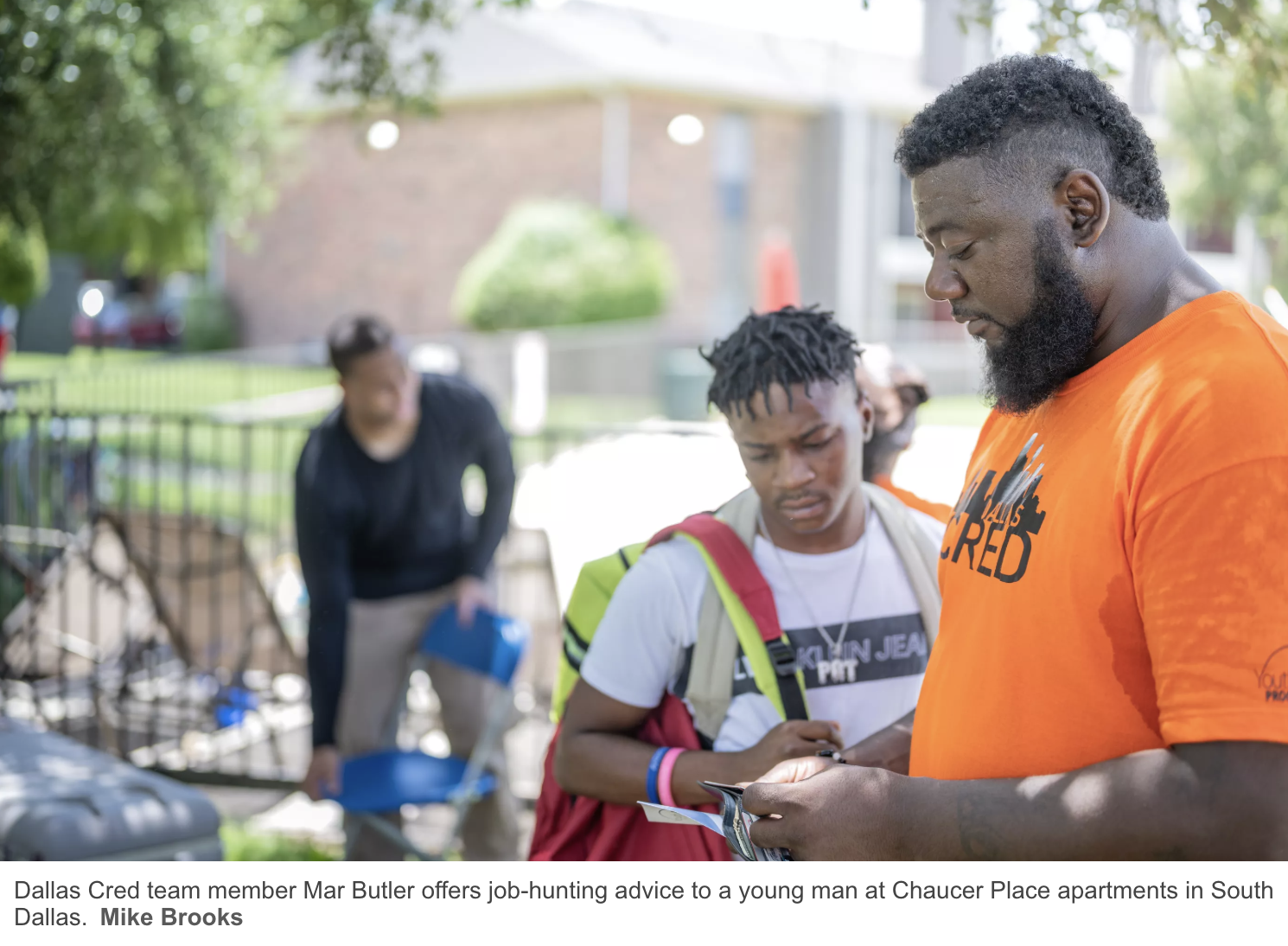
First, we explained that “many people know less about community violence intervention programs than they do about police departments. Most shootings and murders are not random. Gun violence is contagious, it spreads through cycles of retaliation.” Community violence intervention programs, we explained, “use trained community leaders to intervene in conflicts and prevent cycles of violence before they start.”
We then provided participants with reasons for implementing community violence intervention programs as a public safety policy that a city might consider, and then asked them to tell us “how convincing, if at all” each of those reasons are. Here are the three most persuasive arguments:
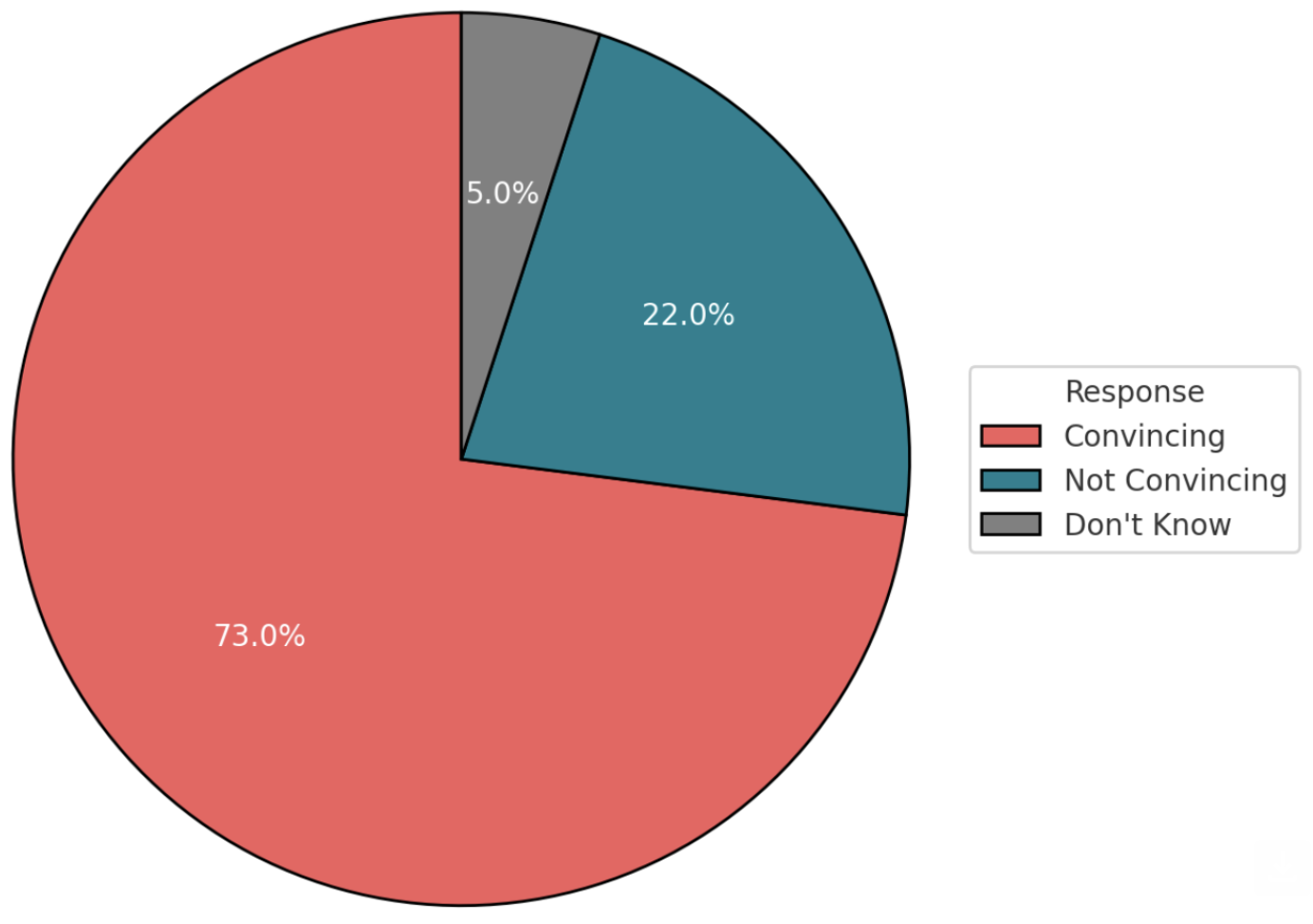
- +51 Net Effective (73% to 22%): “Most gun violence isn’t random. Instead, it often spreads through small groups of people who know each other. Community violence intervention specialists focus on these small networks likely to be a victim or perpetrator and then work to identify and de-escalate conflicts before tension boils over into gun violence.”
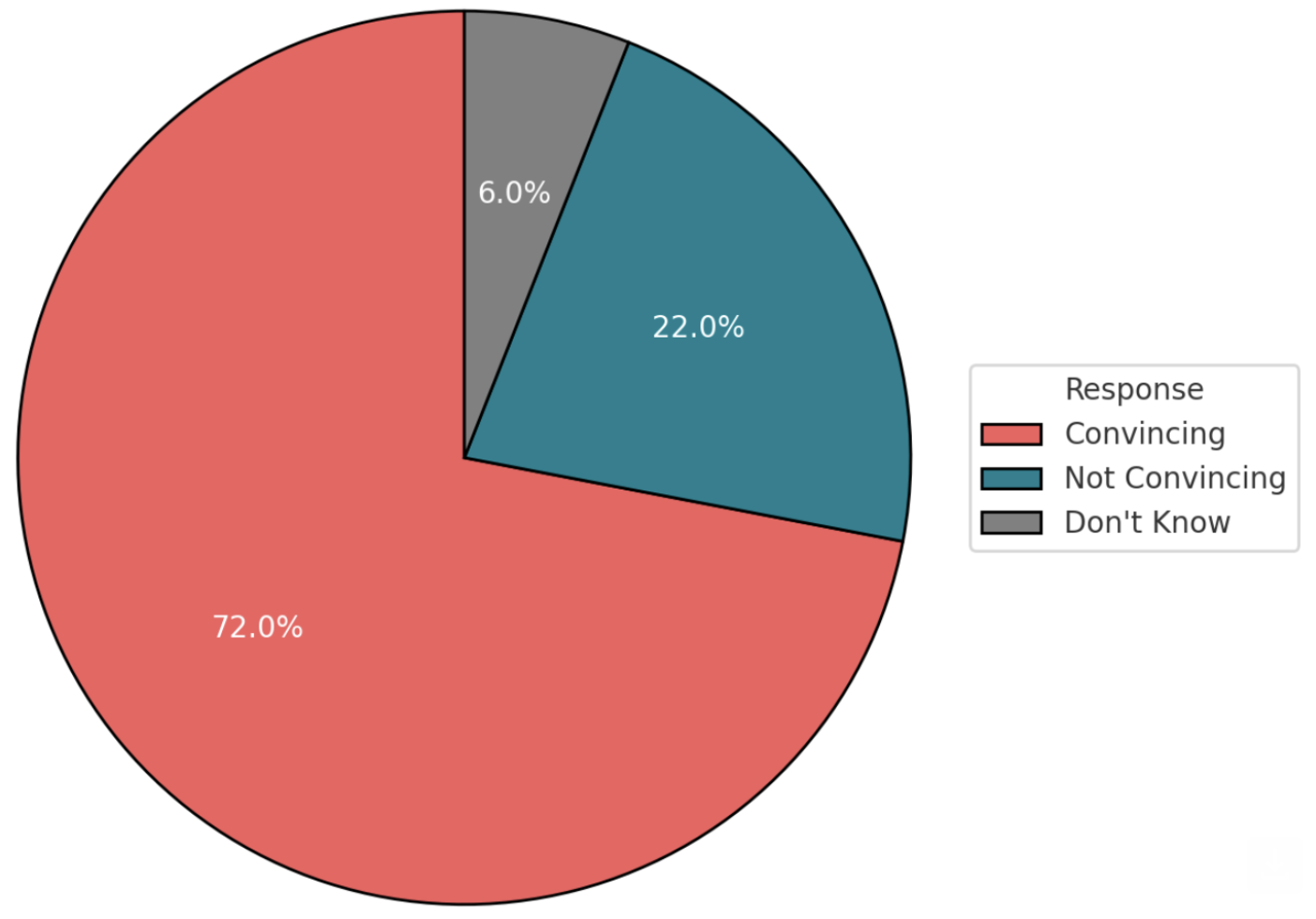
- +50 Net Effective (72% to 22%): “Whether it’s after-school tutoring and mentoring, or a stable job, community violence interruption works by preventing people at risk of being either a victim or perpetrator of gun violence from pulling the trigger in the first place.”
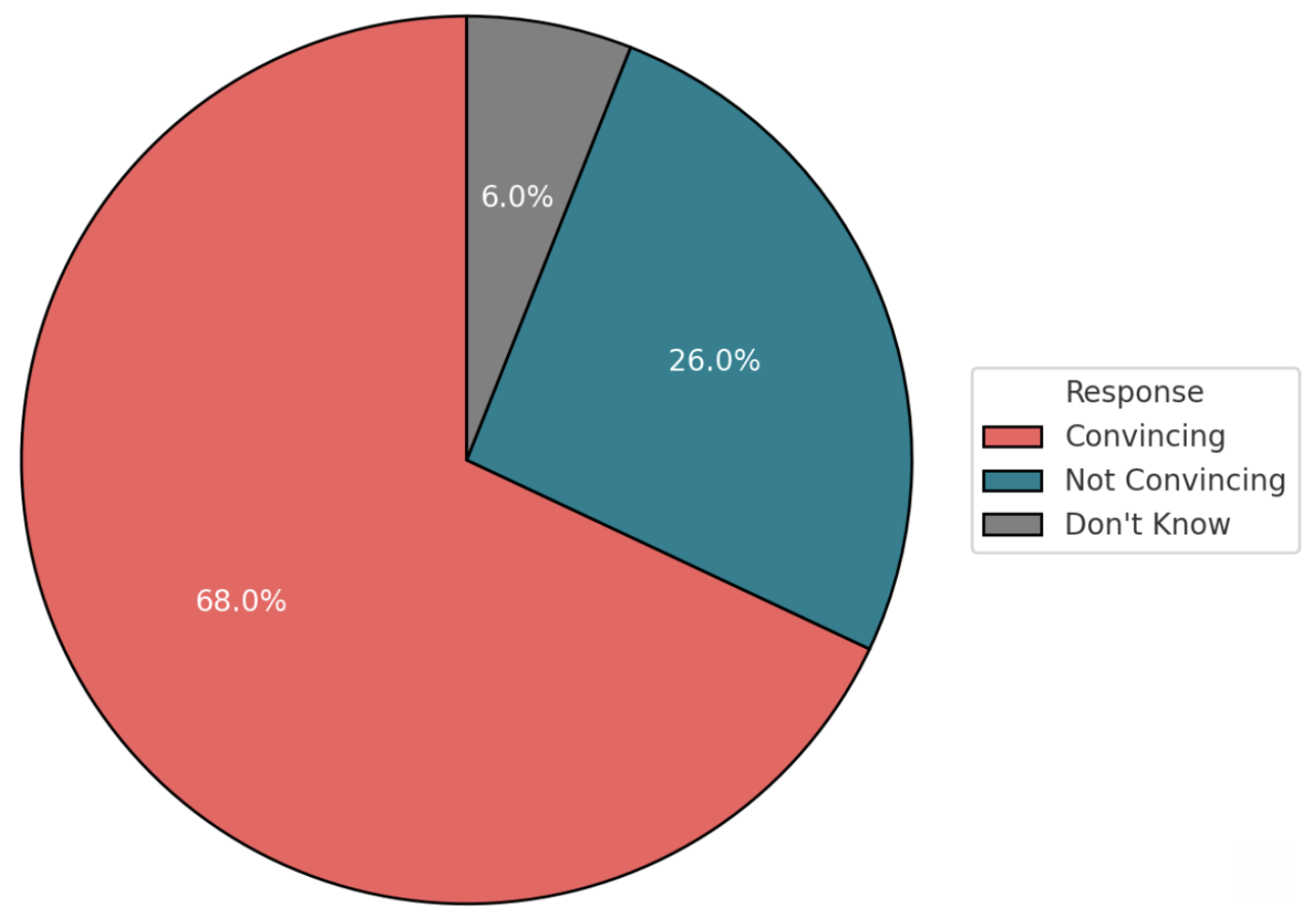
- +42 Net Effective (68% to 26%): “Police officers don’t get invited inside homes and other private spaces where conflicts boil over into violence. But community violence intervention specialists do because they live in and are members of the community. Community violence interrupters get access to information about conflicts before they boil over and are credible messengers who are able to diffuse conflicts before violence erupts.”