For the scientific journal, the American Journal of Emergency Medicine, physicians at the Department of Emergency Medicine at Detroit Receiving Hospital in Michigan published the findings of an extensive review of the body of research on Sobering Centers to better understand these centers and their contributions to the communities that have established them. The physicians main conclusion: Sobering Centers are “excellent alternatives to the emergency department for care of acutely intoxicated patients… and are safe, relatively inexpensive, and may facilitate more aggressive connection to resources such as longitudinal rehabilitation programs for the acutely intoxicated patient.”
The full research is worth reading, but here are the topline findings:
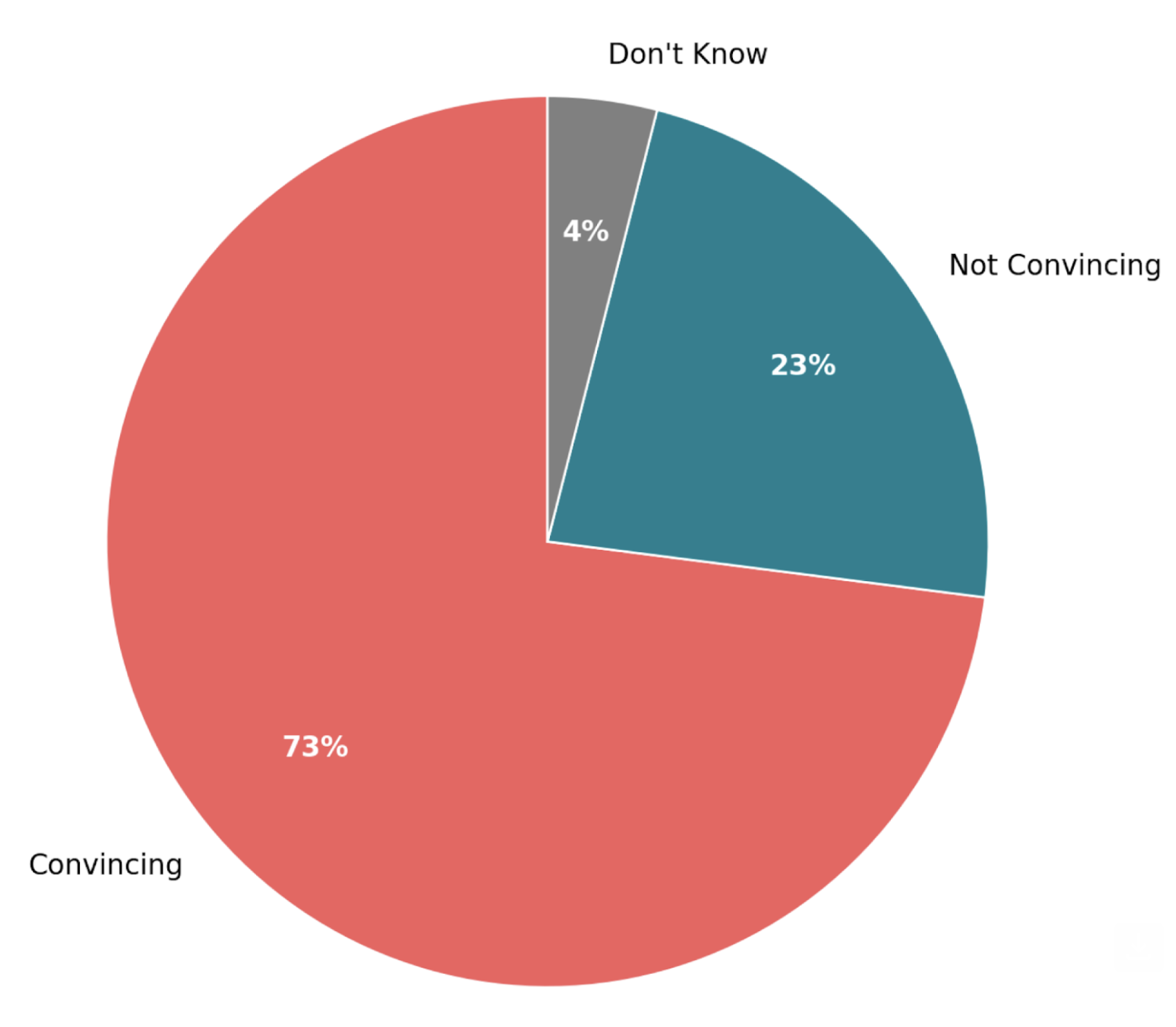
- A Public Safety Tool, Not Only A Public Health Tool: Researchers noted that the Houston Recovery Center “decreased annual public intoxication jail admissions from 20,508 to 835 over a five-year period… Importantly, they were able to enroll 23% of the sobering center’s patients in the longitudinal Partners in Recovery program.”
- Sobering Centers Slash Costs: Researchers found that “the average cost per single visit at a sobering center was $264.18 compared to an average ED cost per visit of $2820.61… A budget impact analysis estimates that by diverting 50% of alcohol visits from US EDs to sobering centers, the US could save between $230 million to $1 billion. Even with a diversion rate of just 10%, estimated US national healthcare savings are approximately $100 million.”
- Patients Don’t Only Sober Up, They Are Connected To Services That Help Drive Longer-Term Stability: Researchers found that “centers have also been used as a connection point to refer patients for alcohol addiction treatment, housing assistance and other community resources… One study noted that up to 20% of ED visits for acute alcohol intoxication were by homeless patients… Patients with alcohol use disorders who are homeless have an 8.5 times higher odds of becoming ‘super-users’…”