To gauge public support for Sobering Centers as part of a city’s public safety infrastructure, Safer Cities recently conducted a national survey of 2,503 registered voters.
First, we defined sobering centers as facilities “that give people who are intoxicated a place to sober up until they are not a danger to themselves or others that provide a safe place to receive medically-assisted detox, mental health treatment, peer support and aftercare.” These centers, we explained, “help alleviate pressure on emergency rooms and keep people who don’t pose a safety risk out of jail.”
We then provided participants with “reasons for implementing sobering centers as a public safety policy” that a city might consider, and then asked them to tell us “how convincing, if at all” each of those reasons are. Here are the three most persuasive arguments:
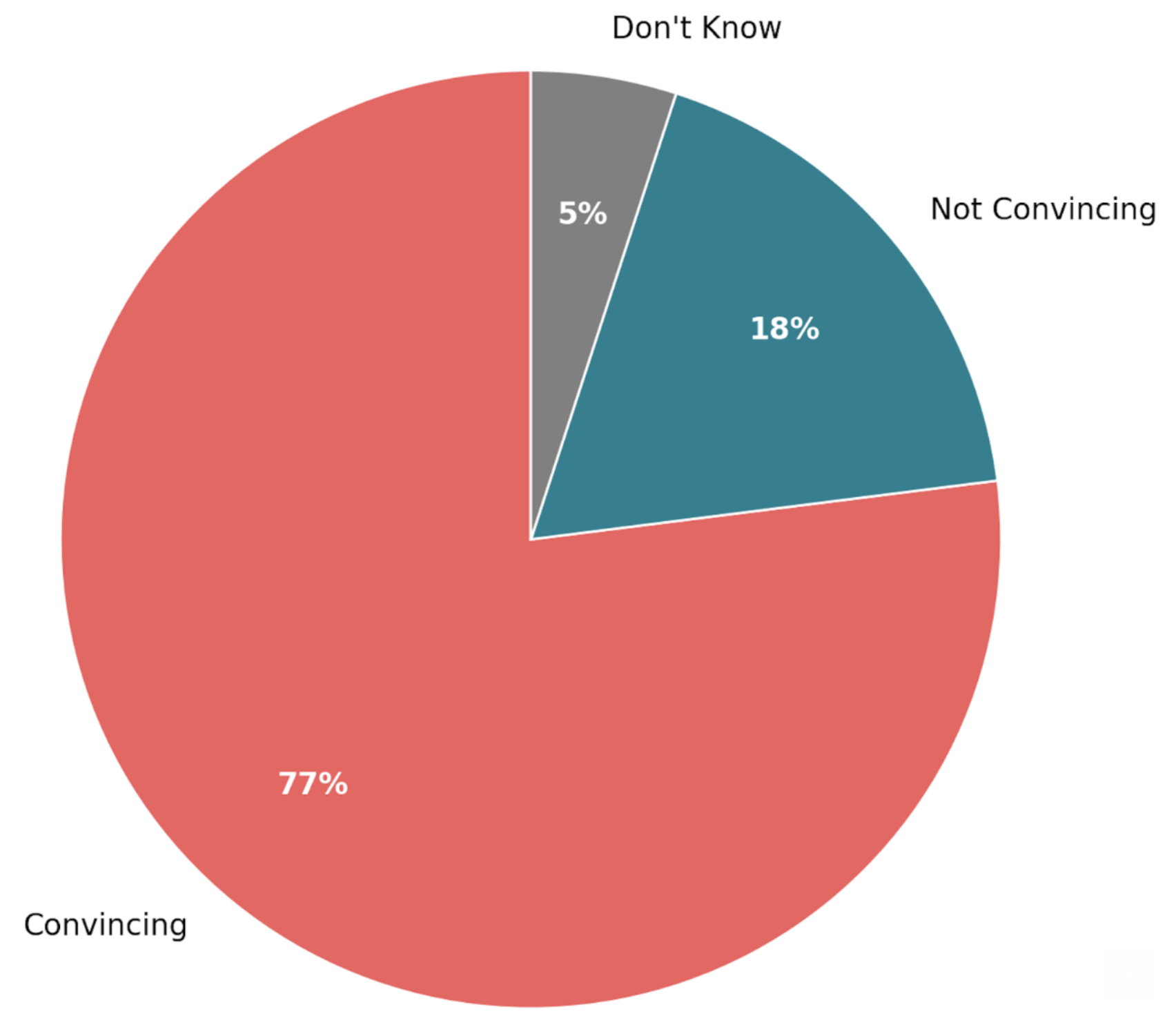
- +59 Net Effective (77% to 18%): “Intoxicated people are often a threat to themselves and others, and require constant attention if they’re brought to jail to sober up. That creates an additional burden on jails and drains resources from other parts of law enforcement budgets. Sobering centers can more effectively address challenges related to intoxication.”
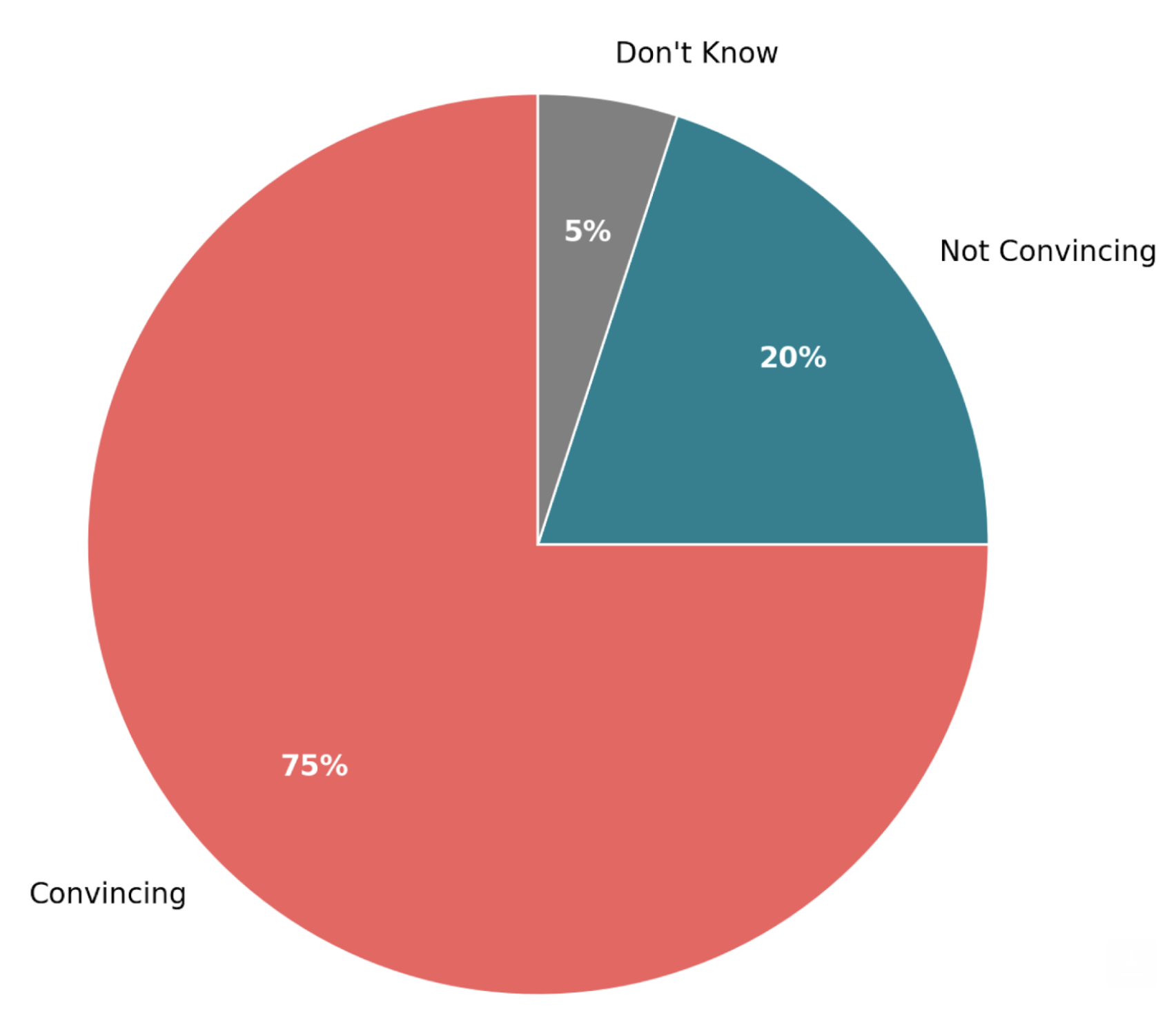
- +55 Net Effective (75% to 20%): “When someone reaches the point where they’re so intoxicated that they’re being arrested, it’s likely that they have other underlying issues that need to be addressed. If their issues go unaddressed, they’re likely to repeat their behavior and end up back in jail, costing taxpayers valuable law enforcement resources. Sobering centers connect people with the help they need and make cities safer by freeing up law enforcement resources.”
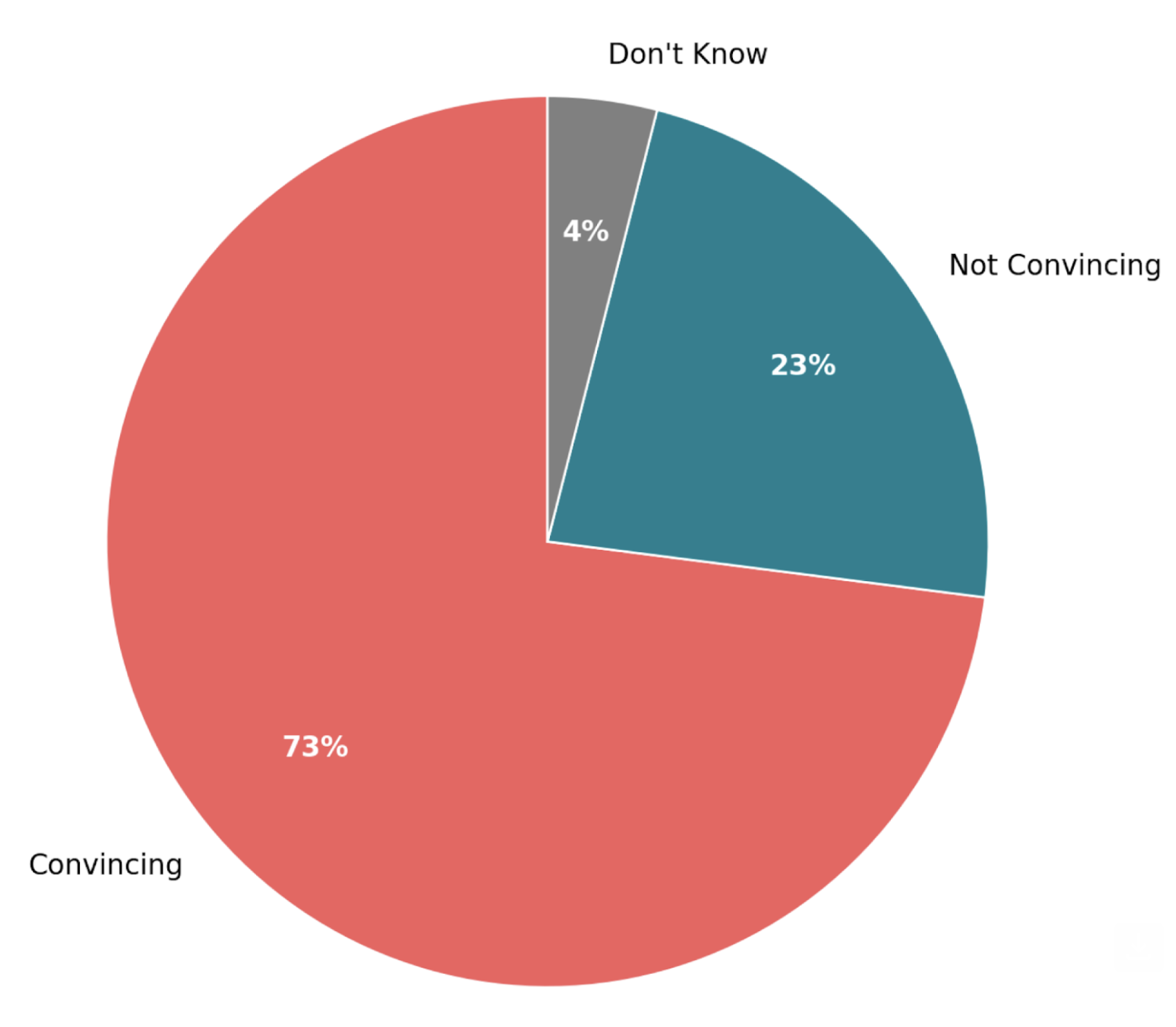
- +50 Net Effective (73% to 23%): “Putting people in jail for intoxication is a poor use of law enforcement resources. Every dollar spent processing and jailing someone for intoxication is a dollar that could be better spent by police solving serious crimes. Sobering centers are a more cost-effective way of dealing with intoxication.”