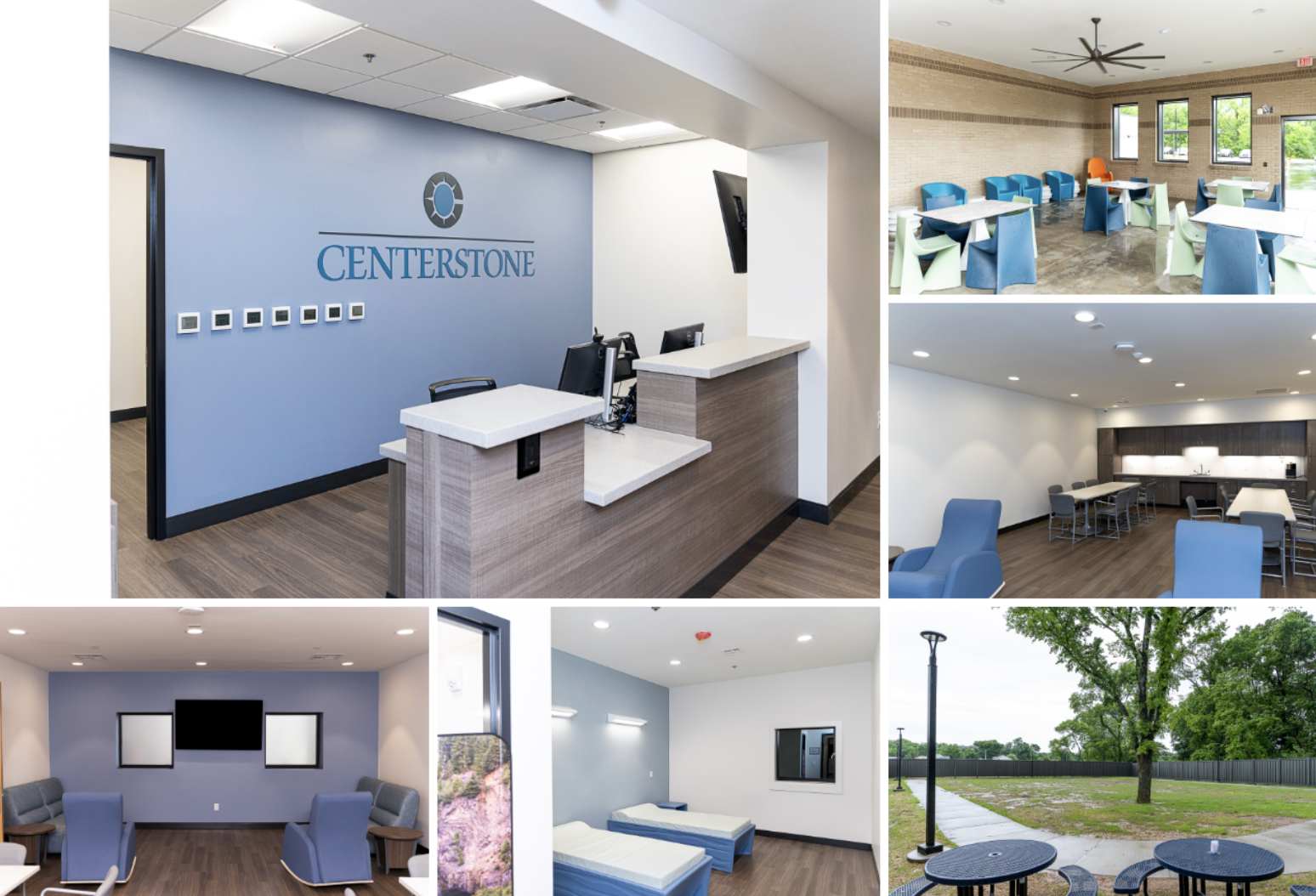
Researchers from New York University’s School of Public Health published in the scientific journal Psychiatric Services in Advance, a new, and first of its kind, survey of 247 active behavioral health clinics around the country in an effort to examine and document the various services that established centers are providing to meet the needs of patients, as “officials across different levels of governments [are launching crisis centers] as an integral component of improving robust crisis systems,” researchers note. The full research is worth reading, but here are three key findings:
- Widespread Adoption Of Full Crisis Care Model: Most clinics around the country “provided crisis call lines (84%), mobile crisis response (79%), and crisis stabilization (82%) directly.”
- Filling Gaps Where Local Infrastructure Falls Short: “Direct delivery of such services suggests… [crisis centers are] fulfilling demand unmet by the existing crisis infrastructure in its service area.”
- Higher Staffing Levels Enable Better Service Delivery: “The number of [clinics] employees per 1,000 people… was significantly and positively associated with whether a [clinics] directly provided mobile crisis response and crisis stabilization.”
Related: For a deeper dive on crisis stabilization centers and the role they play in a modern public safety infrastructure, check out Psychiatric Times’ helpful explainer about these care facilities, which the authors note, “have a key role to play in addressing this rise in mental health crises at the point of need.” The entire article is worth your time, but here are the key takeaways:
- Crisis stabilization centers relieve pressure on emergency departments and jails while improving care for people in psychiatric crisis: “Crisis stabilization centers provide immediate, compassionate care for mental health crises, reducing emergency department congestion and specially trained providers can set the course for an individual’s recovery…[Further,] first responders can divert those having a critical mental health episode to a crisis stabilization center rather than to an emergency department or law enforcement setting.”
- The environment and design of these centers are built around safety and dignity and are less costly than a hospital. “These subacute environments are a less expensive alternative to an inpatient psychiatric unit in a hospital… [and the designed] environments can help ease the patient’s stress… [centers] are staffed with specially trained psychiatric nurses, social workers, and providers…. Their homelike and hospitality-oriented dormitory-style rooms give some privacy and reinforce dignity.. The model… focuses on treating patients in a calming, living room setting with artwork, natural light, and sensory rooms.”
- Crisis stabilization centers offer rapid, personalized care that de-escalates crises and starts recovery immediately. “Delay of treatment can result in trauma, so speed of assessment and immediate access to care is key… The center’s care team can admit a new patient… and assess them immediately … [so] patients spend less than 24 hours in an observation area, as the care team gets more information to understand the nature of their crisis… Those who are in crisis but do not need continued observation and patient care can use outpatient spaces for transitional care and various forms of therapy.”