Safer Cities joined lawmakers and practitioners from around the country this week for NYU’s Advancing the Field of Alternative Response Convening where we presented new national polling on mobile crisis response teams.
To gauge public support for mobile crisis response teams as part of a city’s public safety infrastructure, Safer Cities recently conducted a national survey of 2,503 registered voters.
First, we defined mobile crisis response units as “teams composed of healthcare experts, including licensed clinicians, who respond to 911 calls instead of police officers for most issues related to mental health crises, substance abuse, or homelessness. ”
We then provided participants with “reasons for implementing mobile crisis response units as a public safety policy” that a city might consider, and then asked them to tell us “how convincing, if at all” each of those reasons are. Here are the three most persuasive arguments:
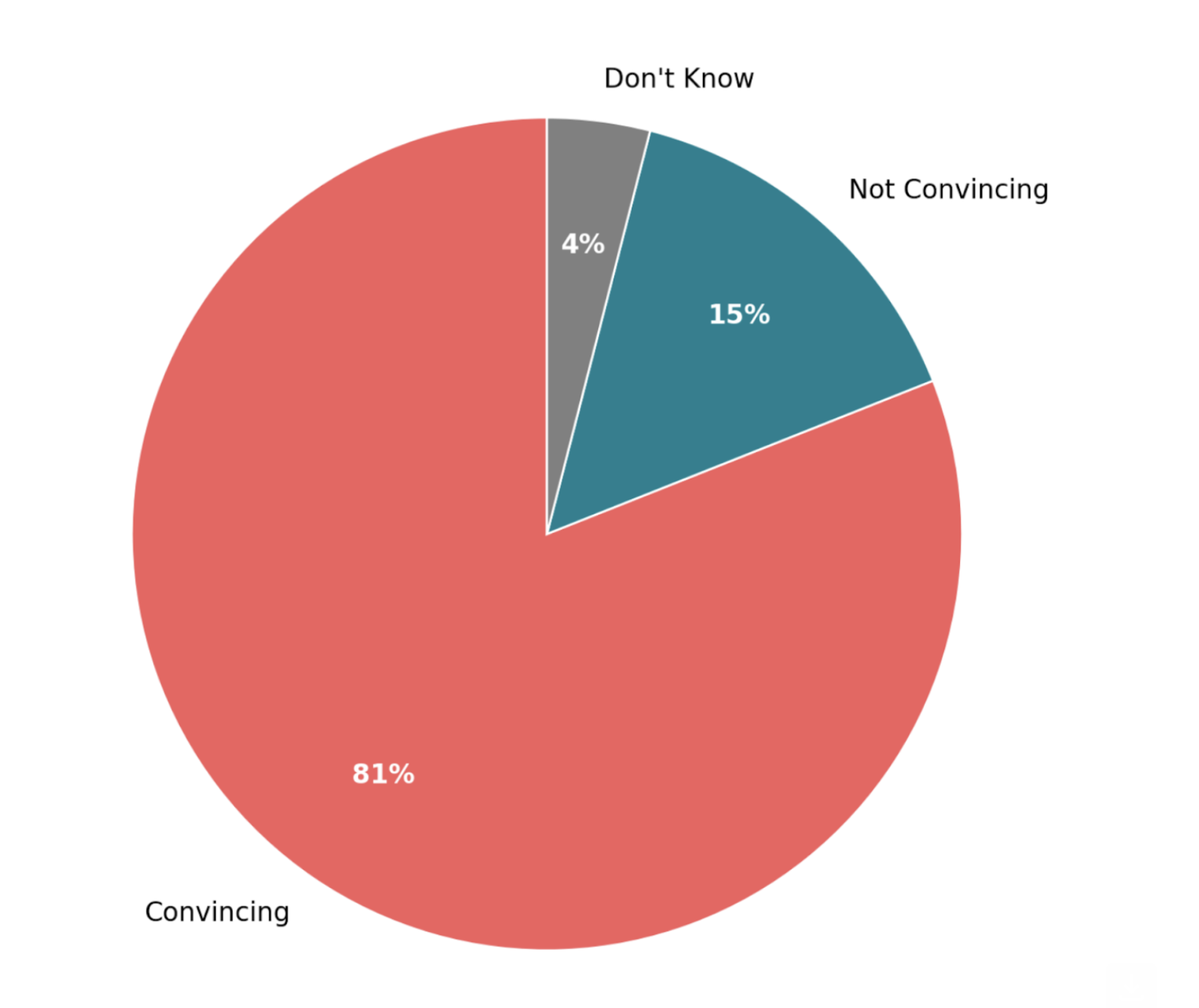
- +66 Net Effective (81% to 15%): “Medical professionals know how to recognize signs of acute mental illness, de-escalate fraught situations involving mental illness and get people in acute mental health crises the help they need. Police officers, no matter how compassionate and skilled, simply don’t have this level of medical expertise and training.”
- These results also reflect broad bipartisan support, including 88% of Democrats and 79% of Republicans who support this reasoning for implementing a mobile crisis response team.
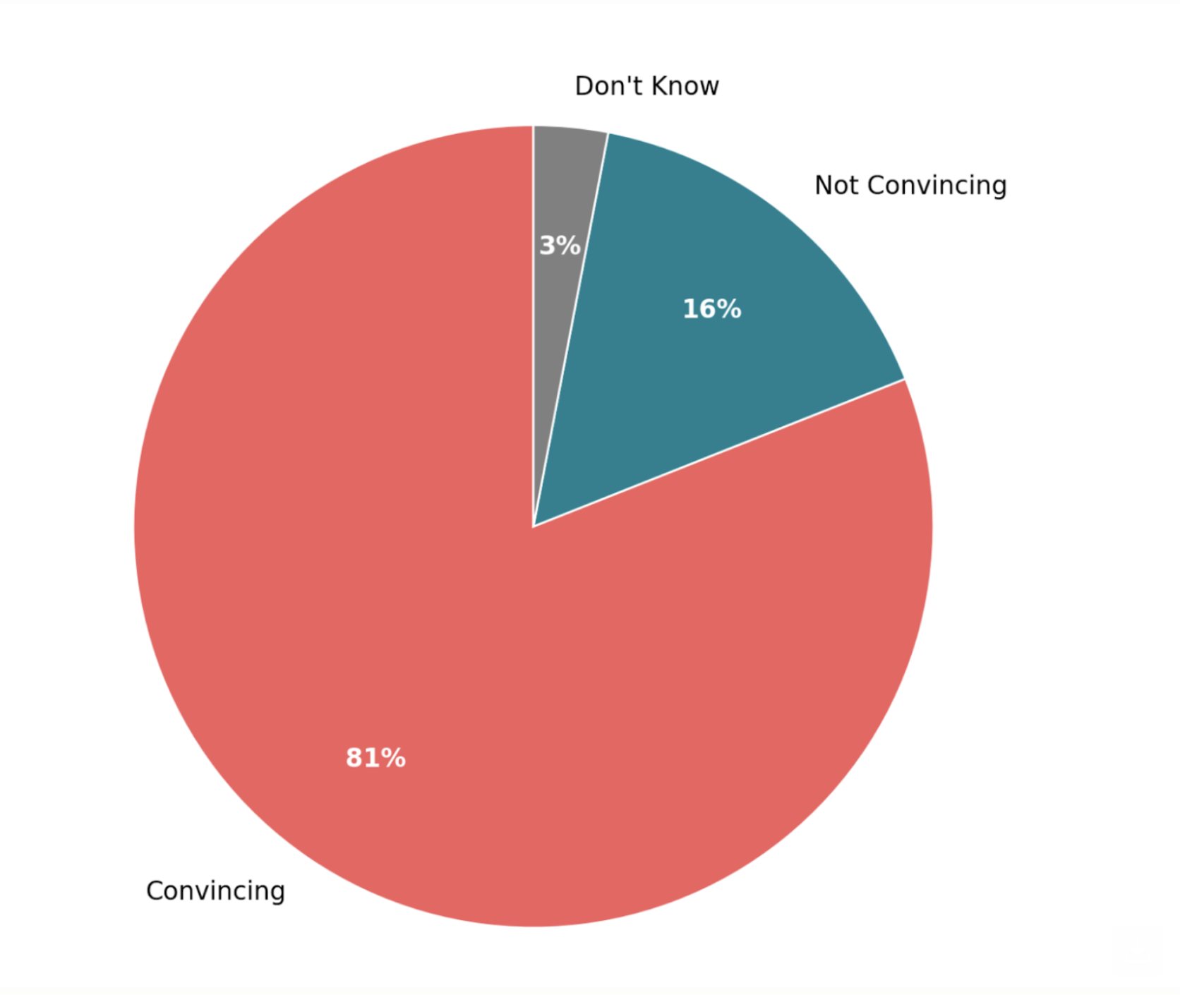
- +65 Net Effective (81% to 16%): “Letting medical professionals handle mental health-related calls for service lets police officers focus on more serious public safety threats like solving robbery, rape and murder..”
- These results also reflect broad bipartisan support, including 87% of Democrats and 79% of Republicans who support this reasoning for implementing a mobile crisis response team.
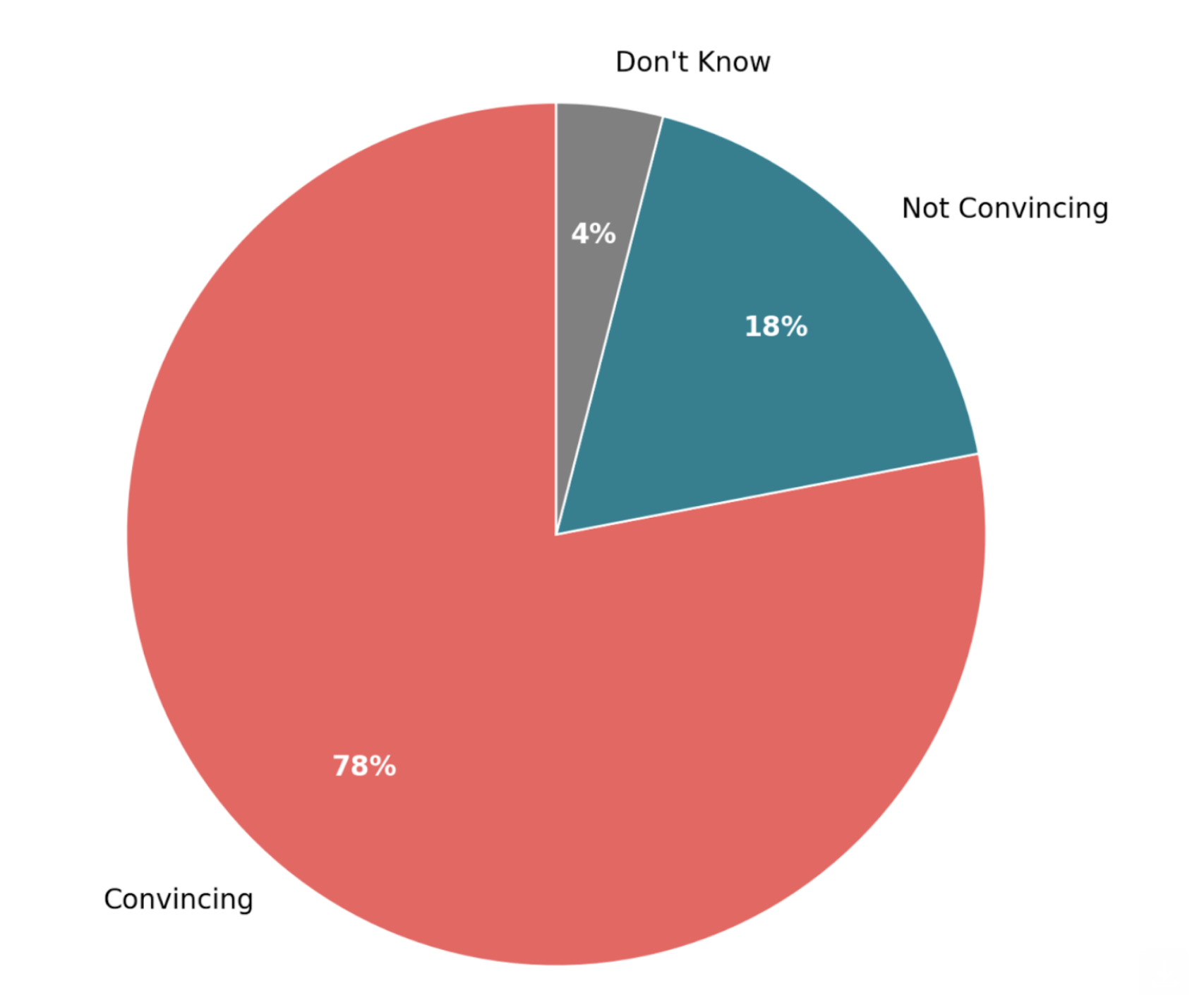
- +60 Net Effective (78% to 18%): “Police officers often show up with sirens blaring, bright lights, and firearms. They also are trained to use their authority to control a situation. These work in a home invasion, for example, but can backfire when dealing with people in acute mental crises because they further escalate the situation.”
- These results also reflect broad bipartisan support, including 87% of Democrats and 75% of Republicans who support this reasoning for implementing a mobile crisis response team.