- Provide Formal Training In Suicide Prevention. In the prestigious Journal of American Medicine, pediatric emergency room physician Dr. Rachel Cafferty and colleagues advise that mobile crisis response teams—and all “frontline emergency clinicians and staff”— should receive “formal training in suicide prevention, including standardized screening practices to improve risk recognition, assessment and targeted interventions.” For context, the authors explain that “pediatric emergency medicine clinicians have witnessed the worsening public health epidemic of mental illness in children and adolescents” and “suicide remains the second-leading cause of death for children and adolescents in the US.” At the same time, “80% of children and adolescents who die by suicide interfaced with the health care system in the year prior to their death, indicating an opportunity for improved risk recognition and intervention.” Hence, the need for formal suicide prevention training.
- Transport Unhoused People To Shelters During Inclement Weather. As temperatures dip below freezing this week in Albuquerque, New Mexico, the city’s third branch of public safety, the Albuquerque Community Safety Department “has created an overnight, emergency transportation hotline for people who need to get out of the cold and to shelters” and “will be offering an overnight transportation van for anyone that needs a ride to a shelter.” Of course, transportation is a hollow promise of safety from the elements if there are no shelter beds available, which is why the city has “expanded its shelter capacity and is ready to provide a warm bed to anyone that needs it.”
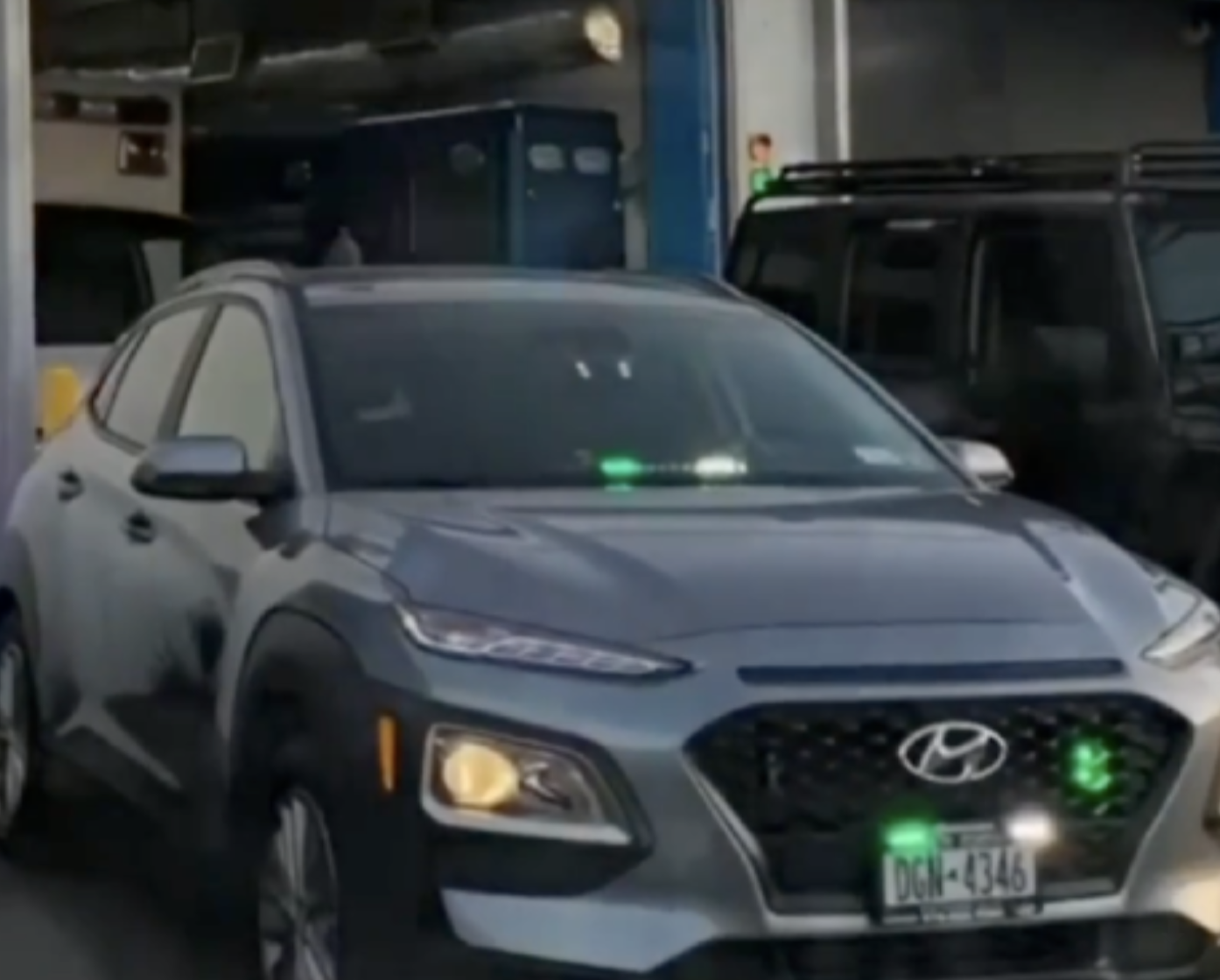
- Flashing Green Lights. In New York, a “new law allows [mobile] crisis team members to install flashing green lights in their vehicles to alert other drivers they are on the way to a mental or behavioral health emergency.” The mobile crisis teams “are allowed, if necessary, to exceed the speed limit, but not at a dangerous speed. [Moreover,] unlike red lights on police and fire trucks, drivers are not required to yield to flashing green lights, but are strongly encouraged to do so.” Pete Harckman, a New York State Senator, told CBS News New York’s Tony Aiello, that the lights are necessary because “when you have behavioral health crisis responders going out [on a call for service], they are no different than an EMS technician, because in a health crisis seconds matter.”