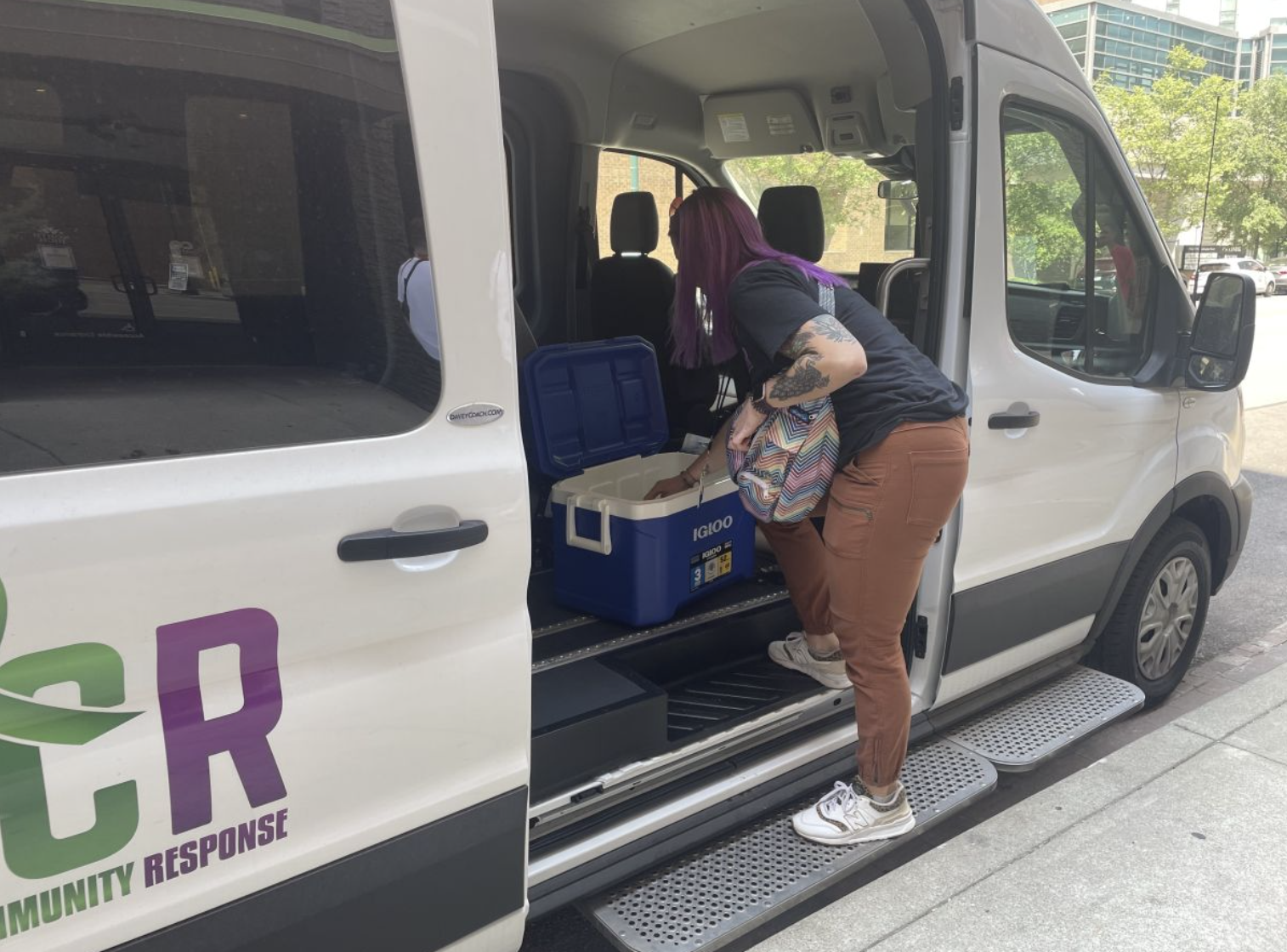
- Indianapolis, Indiana’s “clinician-led community response team now operates 24/7,” Rachael Wilkerson reports for WRTV, the city’s local ABC affiliate. The team, which addresses issues related to homelessness, mental illness, and substance use, is dispatched through the 911 system. The operations director for the community response team told the news station that the public can have confidence in the fact that “when they call 911 and request the clinician-led response team there are professionals who will arrive to care for whoever is in need. We’re educated and we know what we’re doing. We know how to handle these calls.”
- Placer County, California, which is part of the Greater Sacramento metropolitan area, has a mobile crisis team that now operates 24 hours a day, 7 days a week … to address mental health crises by utilizing their mental health clinicians, psychiatric nurses and peer advocates to develop safe supportive coping plans.” For Sacarmento’s local Fox News affiliate, Matthew Nobert reports that the mobile crisis team responded to over 500 calls last year, “meet[ing] with those in need in any setting like parks, schools, shelters, homes or parking lots.” The program also has expanded from serving “mainly adults to now serving youth and families.”
- On the University of California, Davis campus, the mobile crisis team now promises “in-person support, offered 24-7 on campus,” according to reporting from Ashley Mowreader for Inside Higher Ed. The program is housed within the university’s fire department, and is composed of “health education specialists” who are “licensed paramedics and [have] completed a program in lay counseling.” The “team drives around in a special red van stocked with food, bottled water and toiletries. The van has benches in the back so staff can provide care in private, and it can also accommodate a person who uses a wheelchair.”
“On average, the mobile help line receives between five to six calls per day … Most commonly, students call to get help with anxiety, navigating interpersonal relationships, medical resource navigation, thoughts of self-harm, academic pressures and concerns or housing support.” The fire department chief told Inside Higher Ed that the team isn’t simply a crisis response unit, but also “a crisis-prevention team that aims to normalize asking for help early, before a crisis—and when one can’t be averted, working to support after.”