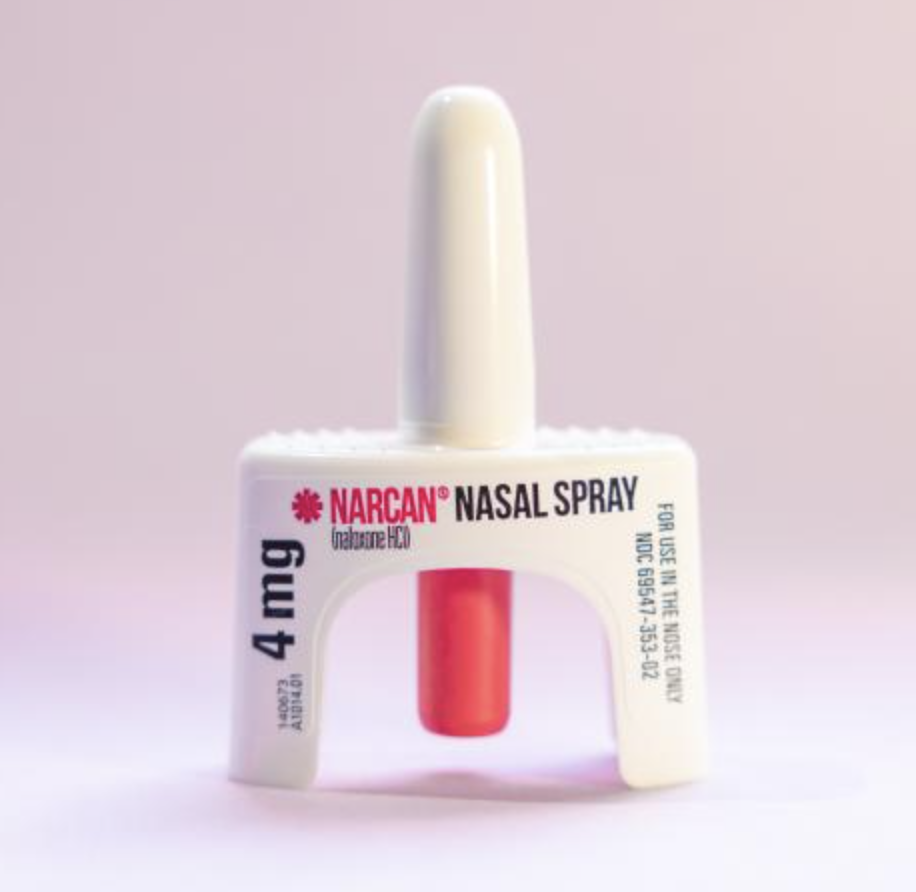
There’s a growing bipartisan push to make Narcan available not only to first responders, but to as many ordinary citizens as possible. Thus, leaders across the country are providing access to the easy-to-administer medication in schools, churches, bars and clubs, public transit stations and airlines, local vending machines, and over-the-counter pharmacies.
Here’s a look at more cities making the overdose reversing medication available at novel locations:
- Turnpikes. For KOCO5, Oklahoma City’s ABC News affiliate, Andy Weber reports that “drivers on Oklahoma’s turnpikes will now have access to vending machines that [dispense] free Naloxone, better known as Narcan.” The Oklahoma Turnpike Authority is installing seven vending machines designed for easy access—“all a user has to do is touch the screen, pick the product they would like and enter their ZIP code”—at various turnpike locations that collectively serve in excess of one million travelers per day.
- Restaurants. For NPR, Sarah Kim reports on a new trend of “local health departments across the U.S. looking to restaurants … to make Narcan more accessible to the public.” Kim interviewed restaurant owners, managers, and leaders of restaurant associations around the country who at first thought having Narcan available would be daunting but, after getting trained on administering the medication, became impressed with how simple the medication is to stock and administer if needed. For example, Marie Ackerman, a restaurant manager in Virginia told the news station: “I think anybody can do it. I think even a child could do it.”
- Jails. For the Louisville Times-Tribune in Kentucky, Sarah Ladd reports that the Louisville Metro Department of Corrections “recently installed a vending machine in its exit lobby where people being released from jail can get free naloxone nasal spray.” Ben Goldman, the community health administrator for Louisville Health Department, explained to the newspaper that “in the two weeks after leaving jail, a person’s risk of overdosing from opioids is much higher…”
- Universities. For The Stanford Daily, Jacqueline Munis reports on Stanford University installing “one hundred new shelves containing free Narcan and fentanyl test strips in dorms across campus.” Ralph Castro, associate dean of students, told the newspaper that because Narcan is “a safe medication that saves lives,” the university’s goal is “to continue to expand access in every way we can.” Stanford also made Narcan training mandatory for dormitory resident assistants.