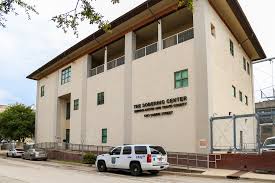
For the DesMoines Register, Virginia Barreda reports on the city’s new sobering center which will serve as “a one-stop-shop” resource center and “a safe place for people seeking support and treatment for alcoholism and other types of services.” Polk County Supervisor Angela Connolly told the newspaper that the center, which will include “a walk-in mental health clinic and crisis observation center,” “is really the last piece [of mental health infrastructure] that our community is missing …. We’ve got the 23-hour crisis and behavior health clinic … We’ve got mobile crisis … but this Sobering Center we have not had, so that’s the last missing piece that we’ve always wanted to get at.”
- What’s A Sobering Center? Sobering Centers give people who are intoxicated a place to sober up until they are not a danger to themselves or others. They also provide a safe place to receive mental health treatment, including medically-assisted detox, peer support and aftercare.
- Cities around the country are creating sobering centers:
- Washington, D.C. opening two sobering centers “designed to divert drug users from emergency rooms and jail cells,” as Jenna Portnoy reports for The Washington Post. D.C.’s new facilities will “be the first of their kind in the District, which is suffering the second-highest rate of fatal opioid overdoses in the nation with an annual death toll more than twice that of homicides.” The centers will “operate 24/7” and give residents a place to “get a bed and other wrap-around services [including] medically-assisted treatment with buprenorphine, mental health counselors and peer support specialists [who will] keep in contact with people after they leave.”
- Butte County, California “to spend opioid settlement toward sobering center… to divert people from jail,” Michael Weber reports for the Enterprise-Record. Staffed by trained nurses and counselors, the facility will provide services like “medical triaging, access to naloxone, rehydration, food, shower, laundry, substance use education, and facilitation of warm handoffs for substance use treatment centers.”
- Austin’s Sobering Center “effective in diverting people away from the hospital or jail,” Sam Stark reports for Austin’s local NBC affiliate KXAN. Travis County’s sobering center “opened as an alternative to jails or hospitals for intoxicated people and has been successful in diverting around 2,700 people from hospitals and over 5,224 people from going to jail” while “saving taxpayers [over] $50,000 in [what would have been spent on jail] booking fees.”
- Research demonstrates that sobering centers are effective. A recent study published in the American Journal of Emergency Medicine found that sobering centers are “excellent alternatives to the emergency department for care of acutely intoxicated patients and provide an opportunity to address the social aspects of alcohol use disorder while simultaneously reducing healthcare costs.” More from the study on why sobering centers work:
“Excessive alcohol consumption accounts for an estimated $24.6 billion in healthcare costs and patients are often referred to the emergency department for expensive care. Current literature suggests sobering centers are an alternative to acute hospitalization and are safe, relatively inexpensive, and may facilitate more aggressive connection to resources such as longitudinal rehabilitation programs for the acutely intoxicated patient.”