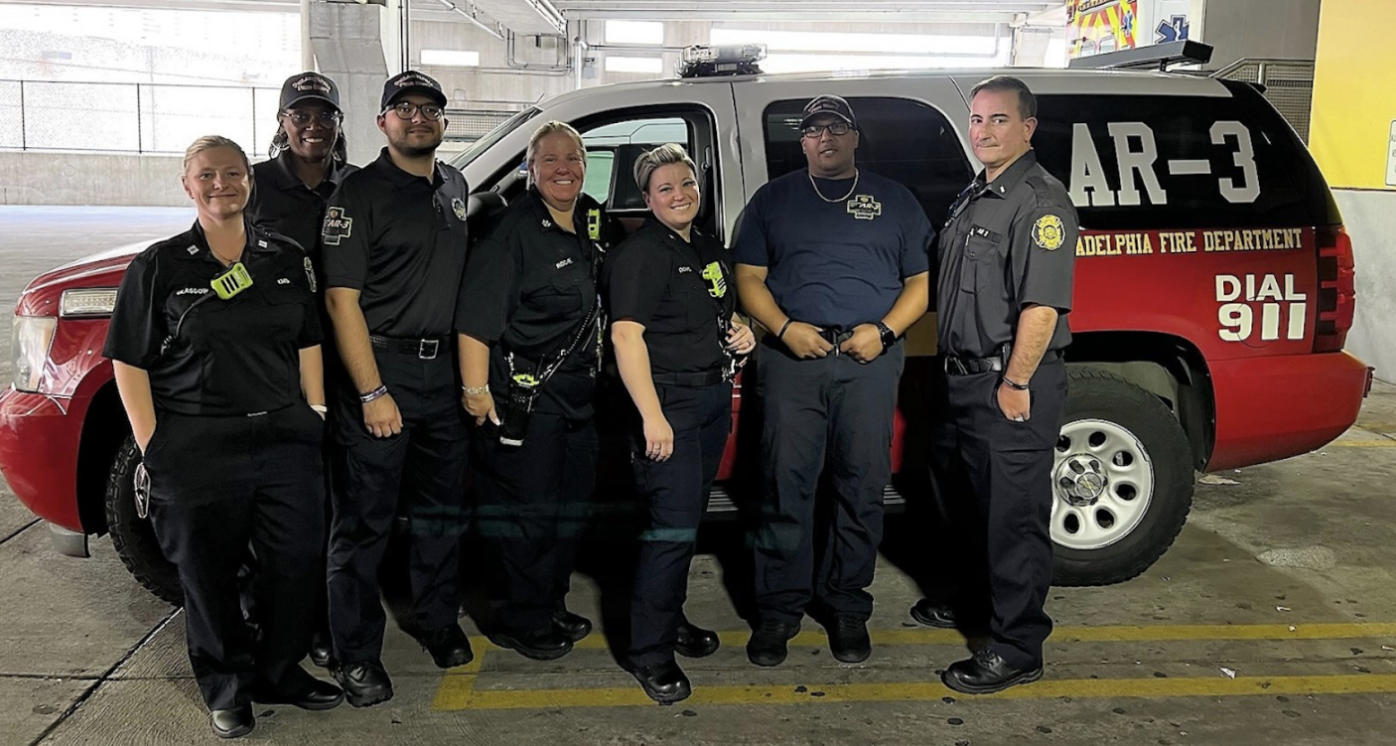
- In Philadelphia. The Fire Department—in partnership with the city’s Department of Behavioral Health and Intellectual Disability Services—launched a new behavioral health response team called AR-3 that is “dedicated to serving people with complex physical and behavioral health needs when they are in crisis,” the city announced this month. The unit, dispatched through the 911 system, arrives at crisis situations in a clearly marked SUV staffed with “paramedics, EMTs, and behavioral health specialists” who are trained in crisis intervention “with the goal of immediately connecting individuals to appropriate resources and/or treatment programs.”
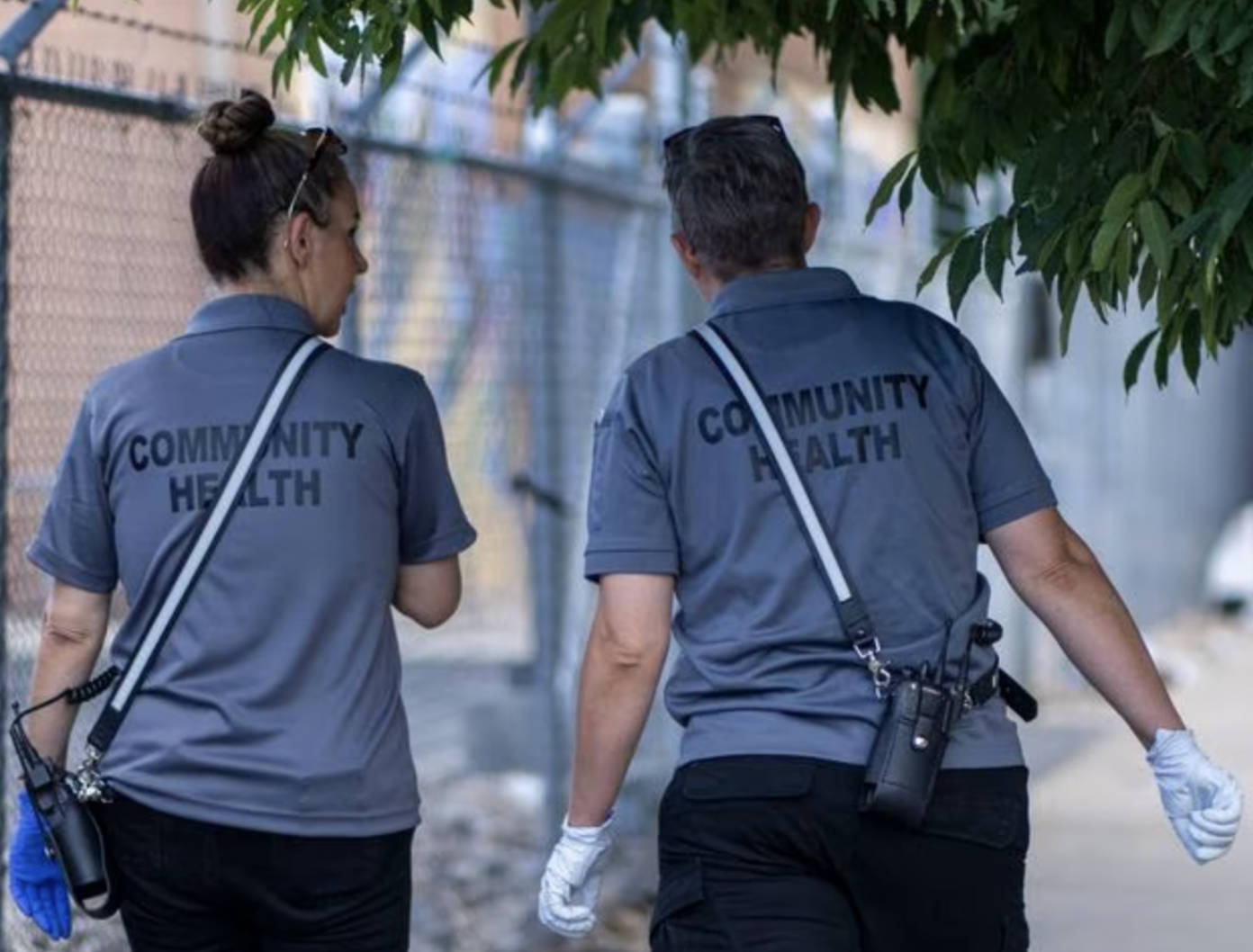
- In Salt Lake City. The Community Health Access Team, a first responder unit composed of “social workers housed within the fire department, helps people across the city in times of crisis,” Sofia Jeremias reports for The Salt Lake Tribune:
“The CHAT team is made up of three social workers… [who] accompany firefighters on mental health crisis, substance use disorder, and medical calls … [as well as] help the city’s unsheltered population connect to services…. Rather than sending someone with a mental health issue to a hospital emergency room, the social workers can help de-escalate a situation … [and] get their prescriptions refilled, connect to therapists or find substance use treatment programs. [Kyle Lavender, fire department division chief told the newspaper:] ‘When you need me there to deliver a baby, you’re going to be glad I’m there to deliver a baby. But when you’re having a psychiatric problem or a true crisis at that moment, you’re going to be really glad there’s a social worker, not just a paramedic.’”
Ana Valdemoros, a Salt Lake City Councilmember who supports the program explained to the newspaper that sending first responders who are—by training and profession—mental health experts is key: “A lot of times ‘it is not a matter of police intervention…it’s the mental health crisis that we’re seeing and we’re saying it’s serious. It’s something that we need to address.”
- In Tulsa, the Fire Department partnered with clinicians working with city’s Family and Children’s Services’ Community Outreach Psychiatric Emergency Services Department to form the Alternative Response Team, a “new de-escalation team to try to reduce the number of people who experience a mental health crisis and end up in jail [or] a hospital emergency room… [and] functions without a police officer in the mix,” Andrea Eger reports for Tulsa World. The unit, dispatched through the city’s 911 system, is composed of paramedics “with at least 15 years’ experience and the same crisis intervention training that police officers receive alongside an experienced licensed clinician.” Capt. Justin Lemery, the Tulsa Fire Department’s director of emergency medical services explained to the newspaper the importance of this kind of behavioral health team for overall public safety:
“Their goal is to de-escalate crisis situations, stabilize in place 60% of these folks who might otherwise have been picked up and taken to jail… or if they need to go somewhere, to determine the most appropriate destination. This helps utilize our city’s resources more efficiently because these [behavioral health] teams … have the time to spend, where police or a fire truck need to go back in service so they can be available for other calls.”