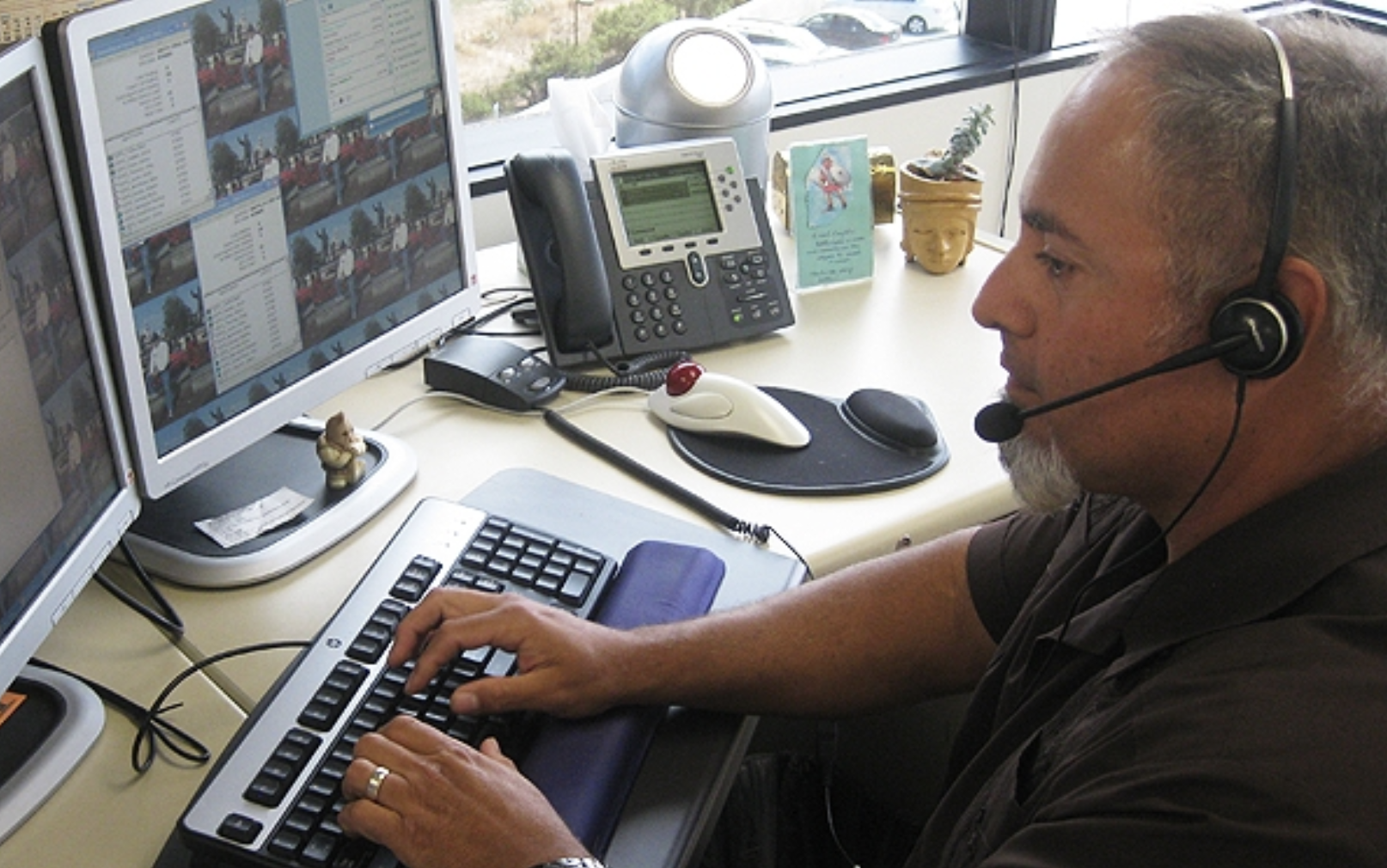
Since the national 988 Suicide and Crisis Lifeline launched about a year ago, the hotline has seen record demand. But one 988 dispatch center in Austin, Texas is being heralded as a national model.
As Fred Cantu reports for Austin’s local CBS News affiliate, that “mental crisis calls used to require a dispatcher to send a police officer,” but now the Austin-based center routinely de-escalates mental health crises over the phone or dispatches civilian mental health responders, which results in “getting mental help to people faster while taking a load off other first responders.”
Monica Johnson, the national director of 988 and behavioral health at the Substance Abuse and Mental Health Services Administration, a branch of the U.S. Department of Health and Human Services, lauded the effort in Austin:
“People in Austin and Travis County have multiple access points to varying levels of mental health care, thus improving health outcomes and reducing unnecessary use of jail, ERs and inpatient hospitalization… This is a model worth shining a light on for the rest of the country to see.”
Dawn Handley, the center’s chief operations officer, explained to Austin’s local NPR station that one critical aspect of what makes the model successful is that Austin’s residents can also still call 911 if they are experiencing a mental health crisis. But instead of 911 operators defaulting to a police or EMS response, the caller is first asked whether they need help from “police, fire, EMS or mental health.”
If the caller needs mental health services, they are routed to Handley’s mental health team—who are integrated into the 911 response system and, if needed, can also be dispatched into the field. In other words, callers have multiple pathways to access help for a mental health crisis, each with an explicit option to request civilian-led mental health experts instead of a police response.