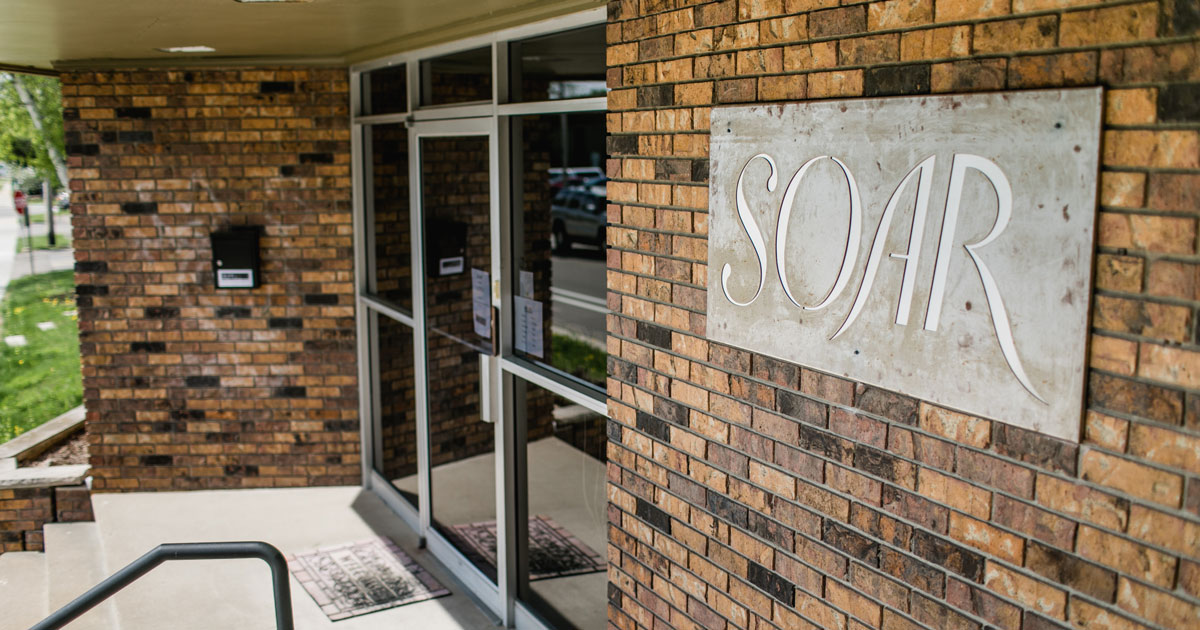
Solstice House is a peer respite center in Madison, Wisconsin, which aims to provide a “warm, comforting environment that individuals can come to when they’re needing a respite from everyday life. If they’re having mental health symptoms or stressors, and they’re needing a break.” It’s also a program that “saves[s] the County and the State money” since, without the program, the “majority of the residents would have either been in the hospital [or] possibly ended up in jail.”
“From fear to hope” is how Furman Avery, a program manager at Solstice House, describes the program’s philosophy: “I don’t push you. I don’t pull you. I walk beside you in your journey in recovery.”
Peer respite centers like Solstice House are popping up across the country: There are six peer respite houses across Wisconsin; at least thirteen additional states have at least one peer respite program; and there is an ongoing “six-month feasibility study on the potential benefit and impact of launching a Peer Respite program in Central Maryland.”
The Legislative Analysis and Public Policy Association details why peer-respite centers present lawmakers with a powerful alternative to the status quo of sending people in mental distress to emergency rooms and hospitals:
“Patients experiencing a mental or behavioral health crisis account for one in eight emergency department visits in the United States, with approximately 40 percent of those visits resulting in inpatient hospital admission. These hospital admissions can involve involuntary evaluations, restraints, and forced medication. Peer respites offer a more effective, humane, and less costly approach to treating a mental health crisis.”
These programs vary in the services they offer and how they are delivered, but typically share a set of common norms and practices:
- For example, as the Los Angeles Times has explained, these centers all “offer people in distress short-term, round-the-clock emotional support from peers — people who have experienced mental health conditions and are trained and often certified by states to support others with similar issues.”
- Moreover, respite centers tend to “employ or contract with registered nurses who offer medical or behavioral health exams at entry, facilitate medication refills, and provide medication education”, ensure that both the “management and [the] staff delivering services have significant lived experience, and that the facilities themselves be “small and homelike” with “separate rooms for everyone that participates in the program.”
And, importantly, creating respite centers as a tool to combat the mental health crisis comes backed both by evidence and powerful endorsers:
- The U.S. Substance Abuse and Mental Health Services Administration endorses peer respite programs; and just last month, a new working paper from the USC-Brookings Schaeffer Initiative for Health Policy, identified the creation of peer-respite centers as a meaningful and proven opportunity to “round out the [mental health] crisis continuum.”
- Researchers examining respite centers in New York City found that the program’s services “resulted in lowered rates of Medicaid-funded hospitalizations and health expenditures for participants compared with a comparison group.”
- Other research evaluating a single respite center in Santa Cruz County, California found that 70% of the guests at the respite center were “less likely to use emergency or hospital inpatient services than those in the comparison group” and that peer respites “could lead to a reduction in overall service costs.”
- Less formally, in California, one peer respite center in Monterey Park conducted a survey of 193 former residents and found that 91% agreed with the statement—“As a result of this program I feel empowered to make positive changes in my life.”