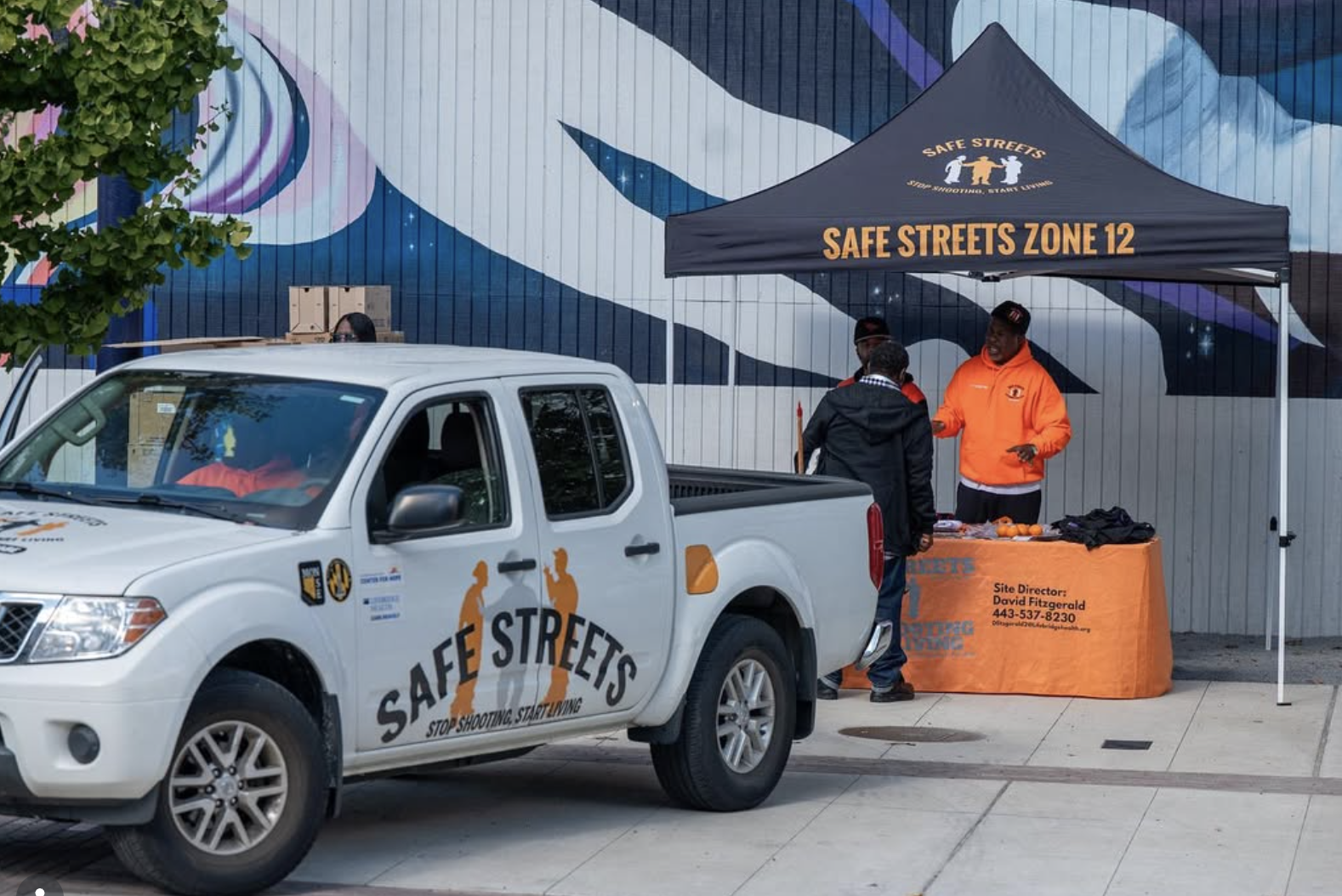
Safe Streets, Baltimore’s flagship community violence intervention program, focuses resources on high gun violence zones within the city, using trained experts to de-escalate conflict before it spreads. According to a new study from researchers at Johns Hopkins University, that focus appears to be paying off:
- Safe Streets is “associated with a statistically significant 23% reduction in nonfatal shootings” across all program sites; and
- “Homicides were 22% lower than forecasted” if Safe Streets “had not been implemented” in the city’s five longest running program sites.
The researchers also concluded that for every $1 invested in Safe Streets, the city gained an estimated “$7.2 to $19.2 in economic benefits,” leading the study’s lead author, Daniel Webster, to conclude: “[W]hen programs like Safe Streets are properly implemented and adequately funded, they can significantly reduce gun violence in the most impacted neighborhoods.”
But the city is not resting on its laurels.
- As Baltimore’s CBS’ affiliate reported, the mayor announced last week that the city is building an ecosystem of CVI programs, including expanding this year into public schools where intervention workers will aim “to save young lives by focusing on conflict management and building interpersonal skills”;
- Hospital-based violence intervention programs will also play a bigger role in the city’s violence prevention strategy. Here’s what Daniel Blum, chief executive of both Sinai Hospital and Grace Medical Center, told Lisa Robinson at NBC’s local affiliate about why expanding CVI into more hospitals matters:
“[H]ospitals are no longer in the business of patch and release. They want to treat victims of violence in ways that will keep them from being victimized again or even becoming perpetrators. ‘[We will] engage in ways that preempt the violence. We know a patient often needs more than a splint or a suture. They may need a counselor, a referral, or help [to] secure housing, education, food or even a job.”