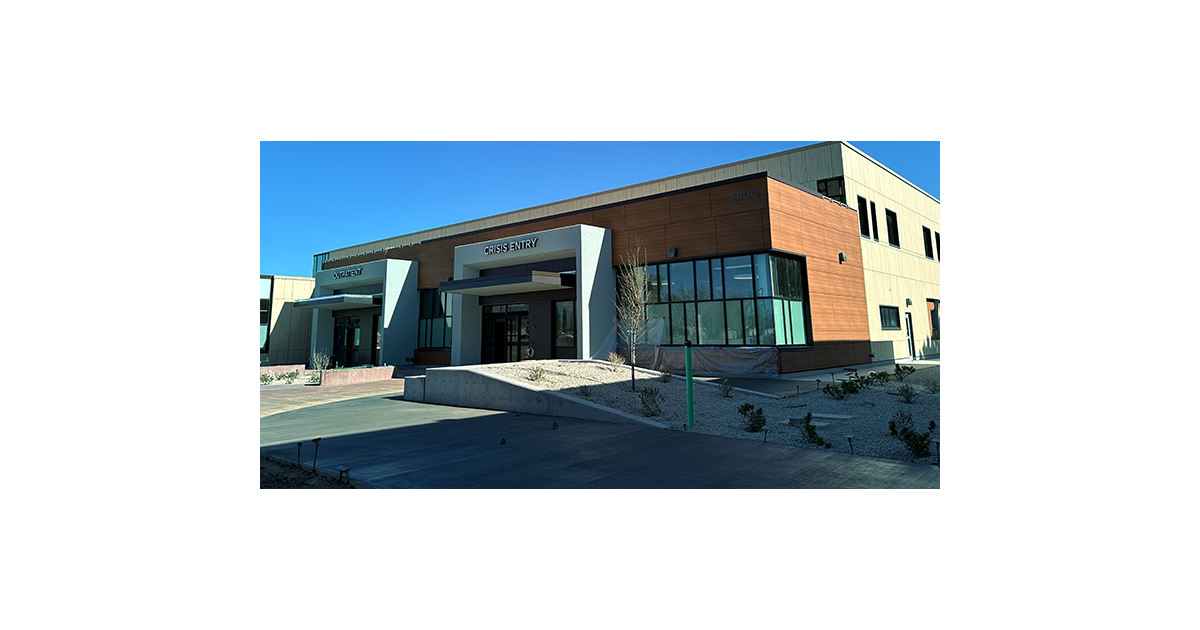
- Atlanta. This month, Fulton County announced the development of a new stabilization center for “people experiencing homelessness, mental health, substance abuse and poverty … that will serve as Atlanta’s first, all-hours alternative to jail,” Chamian Cruz reported for WABE, the local public radio station:
“Atlanta Mayor Andre Dickens [called the center] a ‘game-changer’ for public safety… This facility will be a safe and welcoming place where the person’s immediate needs, such as food, a shower, clothing, can be connected to their long-term care… Atlanta Police Chief Darin Schierbaum said that in 2021, the police department responded to over 9,000 calls of a person in a mental health crisis. ‘That is not the role of the court… and when you look at the limited resources that an Atlanta police officer carries, you see our frustration.’ Fulton County Superior Court Judge Robert C. McBurney said… ‘[W]e are going to create opportunities that we haven’t had before so that [people in a mental health crisis have] an option other than going to our jail and dealing with me… I am not the counselor that these folks need to see… I can be nice, but I’m not equipped with the tools that we’ll have in the diversion center…”
- Des Moines. The editorial board of the local CBS affiliate, KCCI, came out in support of the Polk County Board of Supervisors’ approval of a new stabilization center for people struggling with substance use disorder, the first of its kind in the city:
“Addiction can wreak havoc. And people in crisis today tend to end up in an emergency room or jail. When they need mental health support the most, many times, it’s not there for them. And as a result, the cycle continues. Left unchecked, it can grow more and more self-destructive…. [The] center will not only help these individuals sober up, but it will plug them into support and counseling resources to help them with the underlying emotional issues.”
- Albuquerque. Writing for the local CBS affiliate, KQRE, Curtis Segarra detailed a new stabilization center coming to Albuquerque “to help alleviate pressure on emergency rooms [and] keep people out of jail…” Gilbert Ramirez, Albuquerque’s deputy director of Behavioral Health told the news station: “We’re a safe place for sobering, hopefully, do medical oversight, reduce the impact of potential overdose [with] capacity to serve just under 18,000 individuals yearly.”
- Washington, D.C. For WAMU, the local public radio station, Colleen Grablick covered the city’s effort to combat the opioid overdose crisis through opening a 24-hour stabilization center “where residents can get a bed and other wrap-around services like a mental health counselor and a peer support specialist. The center will also have medically-assisted treatment with buprenorphine, a drug used to treat opioid dependence [and] will use peer support specialists to keep in contact with people after they leave…”