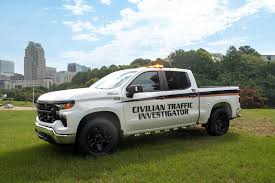
The Marshall Project’s Jamiles Lartey highlights examples of lawmakers around the country wrestling with the role of police officers in traffic enforcement after Memphis police officers killed Tyre Nichols:
- “[The] Memphis City Council is considering proposals that would limit police authority to conduct traffic stops, and require officers to use clearly marked police vehicles during those stops. […] Under the proposed ordinance, officers who suspect a person is driving recklessly would still be able to stop a vehicle, but could not make stops for lesser violations, like a recently expired registration, improperly displayed license plate or a missing headlight.” Memphis would join “cities like Philadelphia, Pittsburgh, and San Francisco that have halted such traffic stops.”
- “Berkeley, California, received national attention in 2020 for a plan to remove officers from traffic enforcement and replace them with cameras and unarmed civilians. So far, that promise has been stymied by state law, [but] New York Congressman Ritchie Torres proposed a $100 million grant program that would give money to cities that adopt a similar strategy for traffic enforcement.”
Lartey also highlights three examples of police departments experimenting with how officers engage (or don’t) with motorists:
- “In Oakland, rather than restricting police authority, a Stanford University researcher examined the impact of adding a checkbox to routine paperwork that would force officers to think harder about whether a traffic stop is necessary. Her study found that this approach reduced stops involving Black drivers by 43%.”
- “In Windcrest City, Texas, police recently launched a ‘trusted driver’ program that lets officers ticket drivers electronically, without pulling them over.”
- “In Baton Rouge, Louisiana, police recently joined a program where, instead of issuing citations for vehicle equipment violations, they can instead offer motorists a $250 voucher to have the problem repaired.”