“The spirit and timing of A.C.S.’s creation, nearly three years ago, conjured a vision of greater public safety in Albuquerque, including increased protection of its residents from police,” Murat Oztaskin writes in his feature on the city’s much-lauded “third branch of public safety.”
Writing for the San Diego Union-Tribune, Tammy Murga and Lauren Mapp, report that:
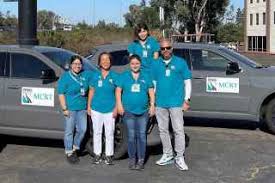
- The mobile crisis response unit has grown to “about 30 teams, each with three members [including “mental health clinicians, case managers and peer support specialists”], operating anywhere in the county at all hours of the day.”
- In addition to “mental health emergencies from people suffering from bipolar disorder or schizophrenia or feeling suicidal,” the team is also handling types of cases that no one contemplated at launch, including “mothers experiencing postpartum depression,” “parents whose children have physically assaulted them,” and “combative loved ones with dementia.”
- The biggest complaint about San Diego’s mobile crisis responders seems to be that there aren’t enough of them: “Law enforcement agencies said crisis teams are proving to be an invaluable resource, but [police] departments are still handling the bulk of behavioral health emergencies. Agencies like National City police and the Sheriff’s Department said [that] having more [mobile crisis response teams] could help shoulder the tens of thousands of calls they receive per year.”
Related: Columbus, Ohio, is creating a new unarmed “non-police response unit” to respond to calls related to “mental health emergencies, substance use-related issues and unsheltered people needing help.” The city already has a co-responder unit that sends both a police officer and a social worker to similar calls. However, as Columbus city council President Shannon Hardin told the local NBC affiliate, “expecting law enforcement to answer every call on every issue from homelessness to mental health and addiction is too much to ask.”