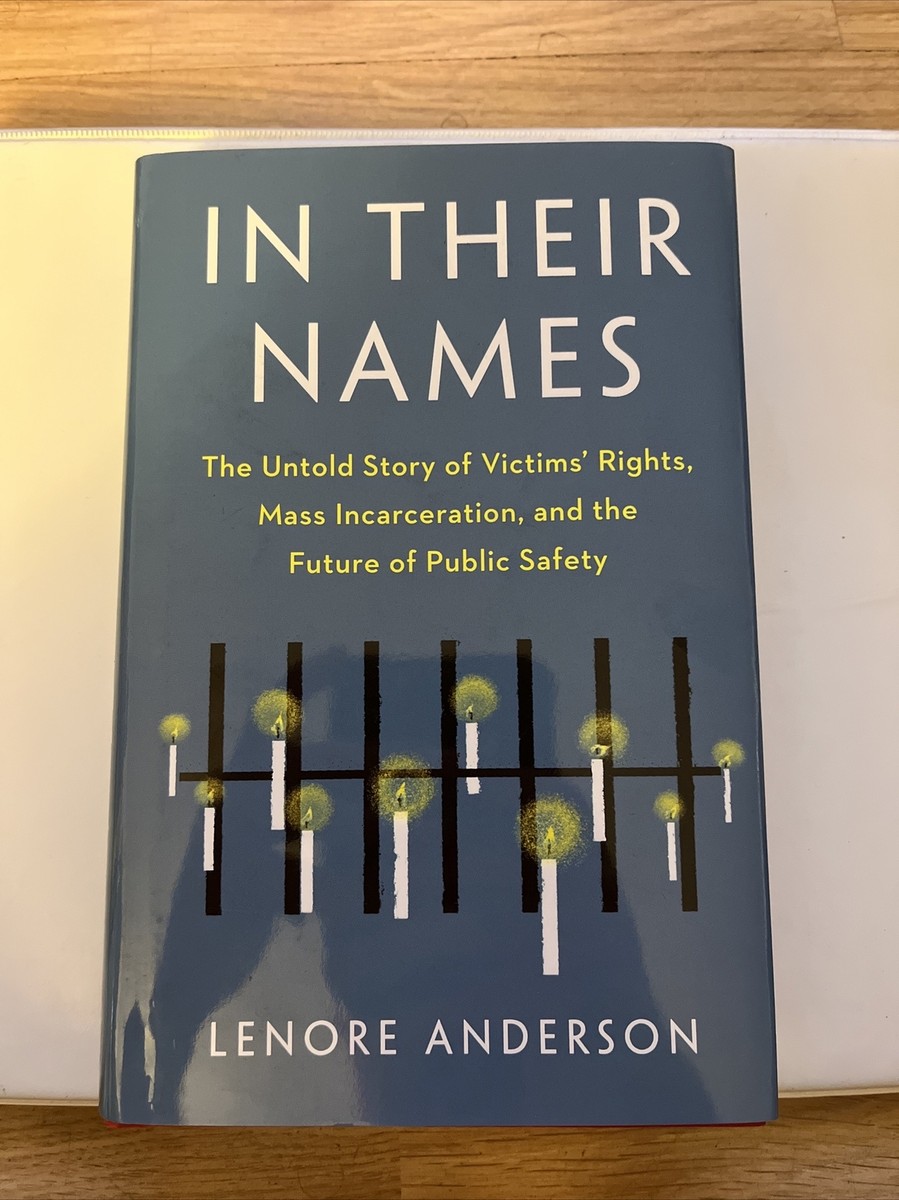
That’s a question that The Guardian’s Sam Levin asked Lenore Anderson, founder of the nationally-acclaimed crime survivor organization, Alliance For Safety and Justice, during a wide-ranging interview revolving around her new book, In Their Names, which tells the story of a crime-survivor led movement for a new vision of public safety that’s gaining traction across the country. Here’s the exchange:
SL: What do survivors actually need and want?
LA: It’s shocking in its basic-ness. My organization surveys survivors regularly and the calls that come in to us are so consistent: my loved one was shot and is about to be discharged from the hospital; they don’t want to be released into the same neighborhood; they’re now in a wheelchair and need an accessible home; they’re no longer able to do their job; they’re suffering extreme panic attacks; they can’t make ends meet any more. One would think if you were hurt by violence, the government would do everything possible to give you a lifeline. People need “crisis assistance”. That means repairing bullet holes, cleaning up bloodstains, making sure children who witnessed violence get support immediately. It means accommodations for school, housing and work and adequate time off to heal. You have to give people the opportunity to find a new life in the aftermath of such horrific loss. As a general matter, our safety systems do very little of that, but that is where safety starts.
And here’s another of our favorite excerpts from the interview that captures the thesis of Ms. Anderson’s book: “What if instead, we say the most important thing we can do is help victims on a path to recovery. If we actually want to stop the cycle of violence, then we start with people who were hurt and offer a genuine, attainable pathway to recovery. Not only is that the moral thing to do, it also reduces the likelihood that those very survivors or their loved ones fall into crime. If alleviating unaddressed trauma was at the center of our public safety strategies, we would go so much further to stop the cycle of harm than mass incarceration ever could.”