Crisis stabilization centers, which provide “substance use disorder and behavioral health support services” for people experiencing acute mental illness or intoxication, give first responders an alternative to bringing a person in crisis to a jail or emergency room.
- “They won’t have to languish in emergency rooms or jail cells.” In Bellingham, Washington, the Anne Deacon Center For Hope provides “adults in crisis because of drugs, mental health problems or both” with a place to “get the help they need immediately.” Sometimes that help is simply “a 12-hour involuntary hold while they sober up or get medications to steady them.” But even in those situations, the Center is a better option than either overcrowded emergency rooms, which need the space for heart attacks and burst appendix; or jails, which can leave a residue of criminal justice system involvement that makes it harder for people to find stability through employment, education, and housing.
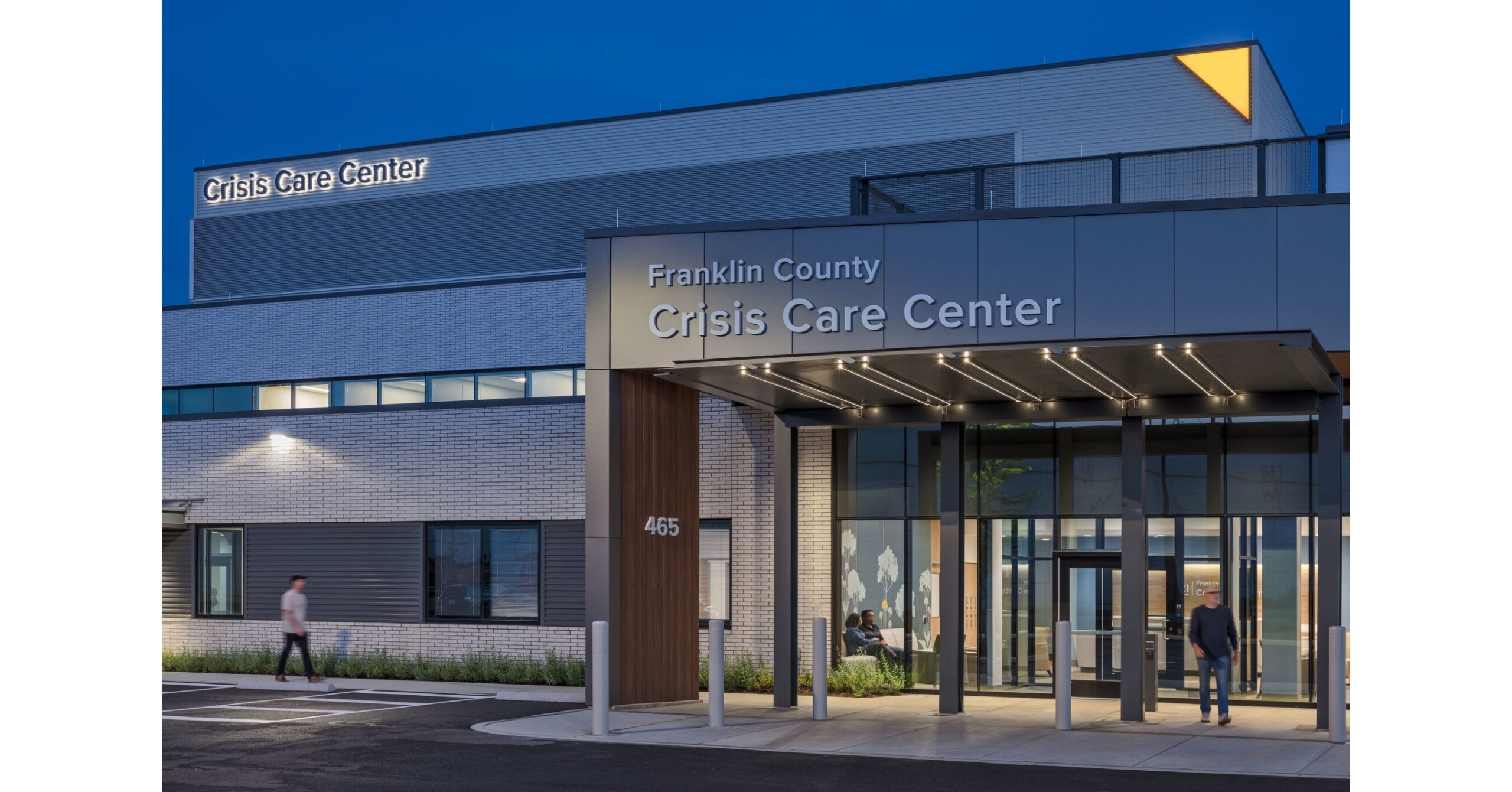
- “Healing and hope will be found there.” In Columbus, Ohio, the Franklin County Mental Health and Addiction Crisis Center will be “a first of its kind in the state” and “game-changing, patient-focused facility designed for those in the midst of mental health and substance emergencies.” When it launches in 2025, “the round-the-clock, home-like center” will “serve anyone 18 or older regardless of immigration status, insurance or residency,” and “include space for outside mental health and social service providers, services for families, an urgent care, pharmacy services, and medical support for substance abuse disorders and detox.” As the Columbus Dispatch editorial board put it: “People in a mental health or substance abuse crisis deserve care in a warm, welcoming, safe and appropriate place.”