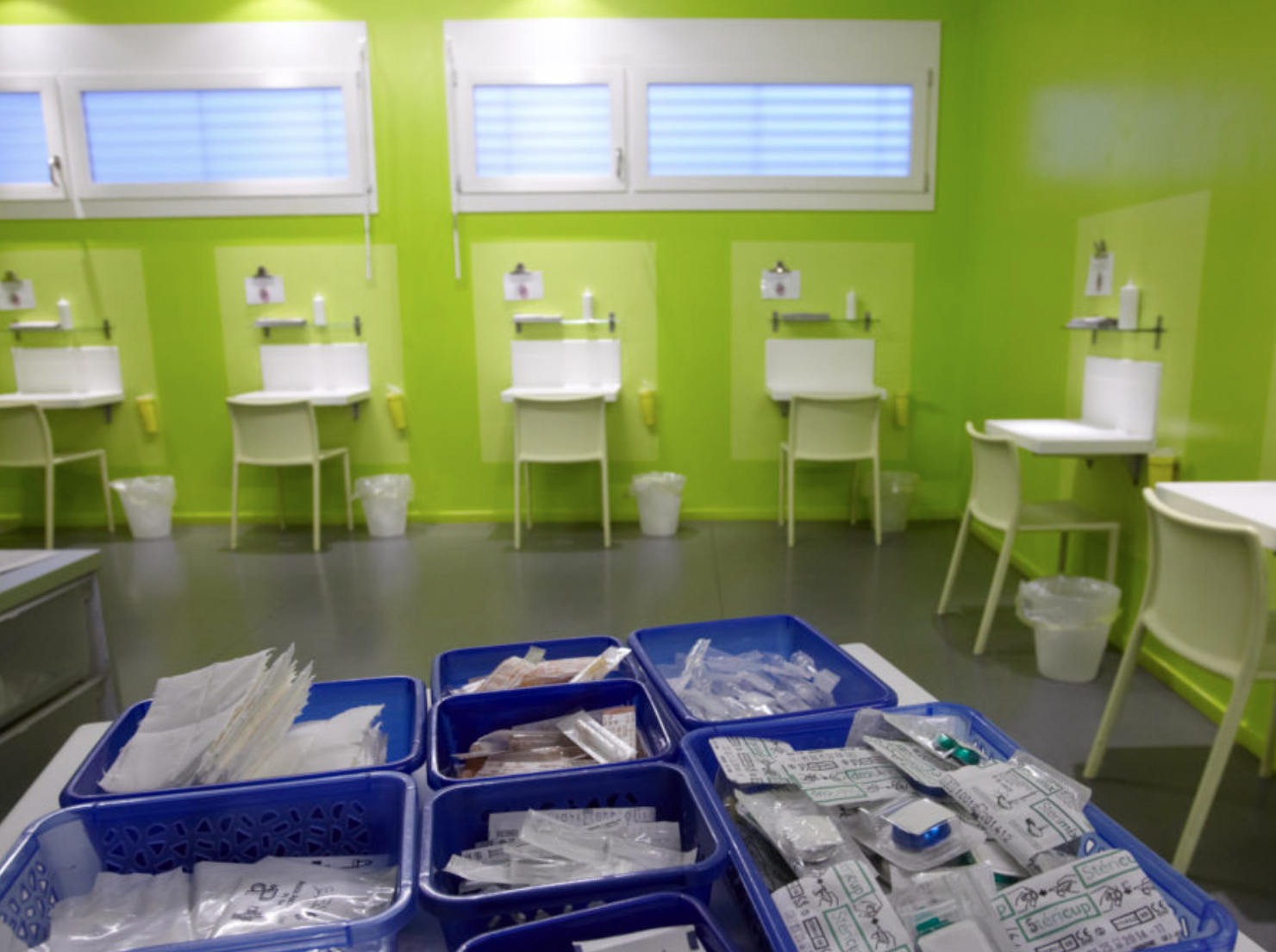
Lawmakers, researchers, advocates, and journalists use different names to refer to a space that provides people with a safe and supervised place to use drugs in an effort to curb overdose deaths. Does it matter what you call them?
To shed light on the question, Safer Cities conducted a survey of likely voters nationally in partnership with Data for Progress (methodology). We split respondents into three groups of approximately 400 people, provided each group with a brief description [read it here] of what these facilities do and why, and then changed one critical component of that description—the name of the facility: safe injection sites; safe consumption sites; or overdose prevention centers.
The results: Yes, what you call these facilities matters.
Calling these places overdose prevention centers significantly increased support by 11 percentage points over “safe consumption sites” and 15 points over “safe injection sites.” More granularly, the overdose prevention center framing increased support for the facilities among self-identified Democrats, Independents, and Republicans.
- +26 net support for “opening overdose prevention centers where you live”—60% of voters support, 34% oppose, and 5% don’t know.

- +15 net support for “opening safe consumption sites where you live”—53% of voters support, 38% oppose, and 9% don’t know

- +11 net support for “opening safe injection sites where you live”—52% of voters support, 41% oppose, and 11% don’t know.

Bottom Line: Overdose prevention centers are popular no matter what you call them, even when you cue people to imagine that the centers will operate where they live. However, calling these facilities “overdose prevention centers” (as opposed to “safe injection” or “safe consumption” sites) significantly increases support for them, especially among Republican voters whose support increases by 16 percentage points over the safe injection framing.