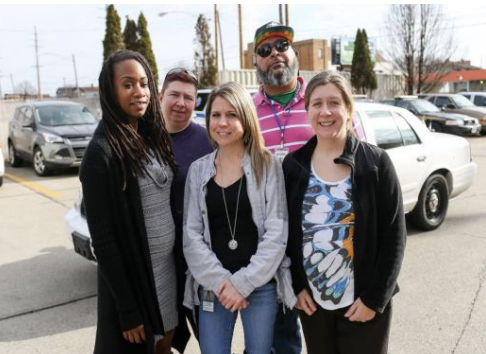
- The QRT team “consists of a paramedic, a counselor, a law enforcement official, and a faith-based organization member” and it “attempts to conduct home-based outreach to the person who has overdosed and their families within 72 hours of the overdose to provide educational materials and encourage them to initiate post-overdose treatment services.”
- Connie Priddy, the program coordinator for the Huntington QRT, told the Herald-Dispatch that she attributes the decline in overdose deaths in the city and county to programs like the one she runs: “We are the one that will connect them to treatment, but we’re also just there to check on them to make sure they’re OK … and I think that’s mattered.”
- The program was just replicated across West Virginia and Dr. Rahul Gupta, the director for the White House Office of National Drug Control Policy said that the program is so promising it “should be developed as a model, not just for the state of West Virginia, but for the entire country.”